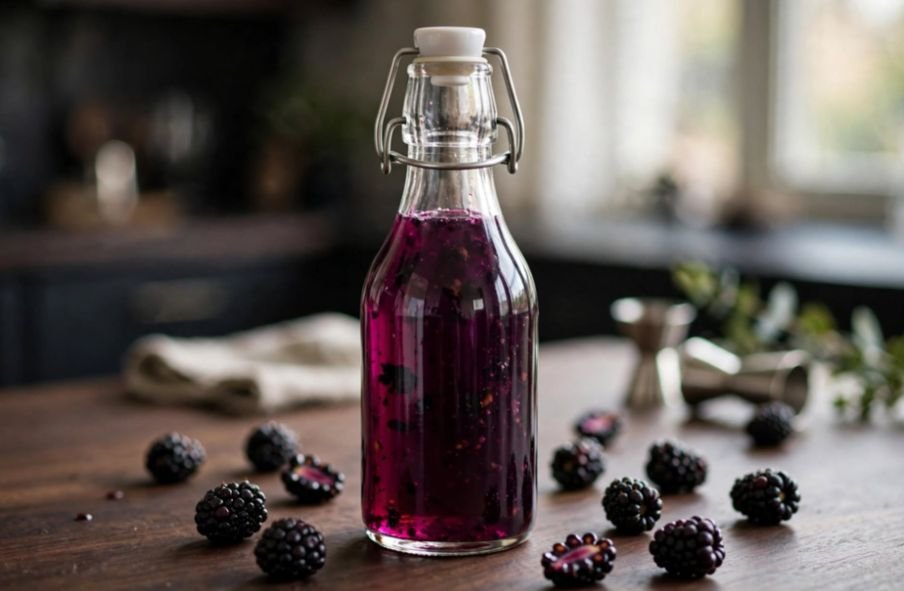
Store-bought berry mixers taste like flat, artificial candy. A proper fresh blackberry simple syrup recipe should capture the brambly, slightly acidic bite of ripe fruit while pouring cleanly through a speed pourer.
I spent weeks tweaking this recipe at my home bar because my early batches kept turning into spreadable jam. The culprit was prolonged heat. By treating berries gently and extracting juice through residual warmth rather than a rolling boil, you get a jewel-toned, translucent syrup that elevates sodas and spirits alike.
The Chemistry of Berry Syrups: Avoiding Pectin Jellification
Blackberries carry significant natural pectin and large seeds packed with astringent tannins. If you boil crushed berries vigorously with white sugar, the pectin activates and binds the liquid. The result is a viscous jelly that refuses to mix into iced drinks.
According to agricultural data from the USDA FoodData Central, wild and cultivated blackberries contain roughly 5 grams of dietary fiber per 100 grams, much of which is soluble pectin. When heated in acidic environments, this soluble fiber forms a dense gel network.
To bypass this problem, I dissolve the sugar in hot water first, introduce the whole fruit, gently simmer just until the skins pop, and then remove the pot from the burner.
The off-heat steep extracts the anthocyanin pigments—the compounds responsible for deep purples, as detailed by the National Center for Biotechnology Information without stripping bitter tannins from the cracked seeds.
If you prefer heavier, caramel-forward profiles for whiskey, you might choose to make rich simple syrup 2 to 1 or whip up a homemade demerara syrup. But for fruit-forward drinks, a standard 1:1 ratio keeps the fresh berry acidity front and center.
Fresh vs. Frozen Blackberries
Peak summer blackberries from the farmers market yield unmatched aromatic top notes. However, flash-frozen berries work remarkably well during the winter months. Freezing ruptures the plant cells, meaning frozen berries actually surrender their juice faster during the warm steep. If you use frozen berries, skip any extra water; they shed plenty of moisture during the thaw.
Equipment and Essential Ingredients
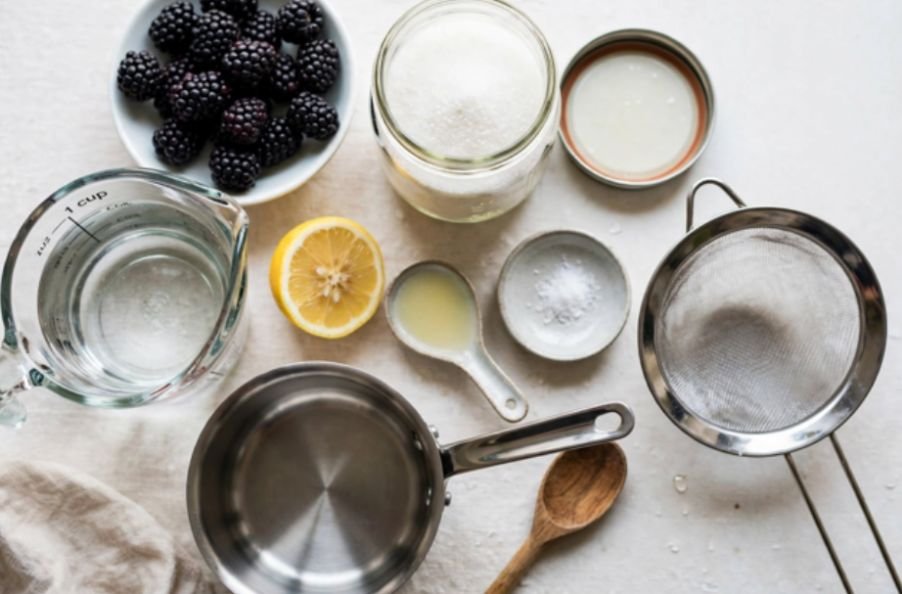
Keep your kit straightforward:
- 1 cup fresh blackberries (about 5 to 6 ounces), rinsed and patted dry
- 1 cup granulated white cane sugar (organic sugar adds unwanted amber tint)
- 1 cup filtered water
- 1 teaspoon freshly squeezed lemon juice (balances pH and sharpens color)
- Pinch of fine sea salt
For gear, you need a small stainless steel saucepan, a wooden spoon or potato masher, a fine-mesh conical sieve, and an airtight glass bottle like a swing-top swing bottle or Mason jar. Avoid reactive aluminum pans, which impart a metallic aftertaste to acidic fruit mixtures.
Step-by-Step Instructions for Clear Berry Syrup
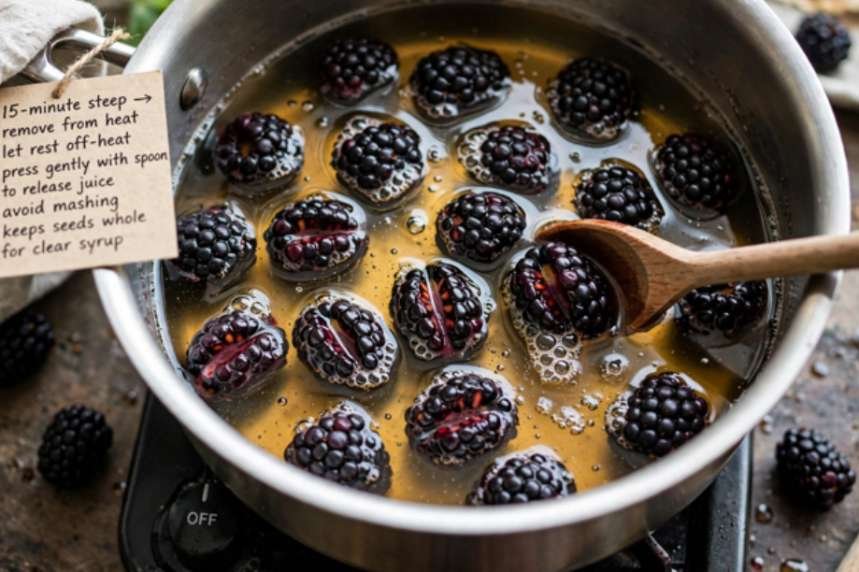
First, add the water, sugar, lemon juice, and a tiny pinch of fine sea salt to your saucepan. Set the burner to medium heat. Whisk the mixture until the sugar dissolves completely and the liquid turns clear. The salt may seem counterintuitive, but sodium suppresses perceived bitterness and pushes fruit sweetness forward.
Next, tip the whole blackberries into the hot syrup. Bring the mixture to a gentle simmer. Once tiny bubbles break across the surface, drop the heat to low and set a timer for 8 minutes. You want the berries to soften until their skins split, but do not crush them yet.
Take the saucepan entirely off the heat source. Using the back of a large spoon or a potato masher, gently press down on the berries. Do not pulverize them; simply crack the fruit open to release the trapped juice. Let the saucepan sit on the counter undisturbed for 15 minutes. This resting phase pulls the vivid magenta juice into the base liquid.
Set your fine-mesh sieve over a clean heatproof bowl or large glass measuring cup. Pour the warm syrup through the mesh. Let gravity do the heavy lifting for 5 minutes. You can lightly press the remaining skins with your spoon, but stop before you push fruit solids or broken seeds through the wire. Squeezing too aggressively forces pulp into the liquid, producing a cloudy syrup that separates in storage.
Allow the syrup to hit room temperature before funneling it into a sanitized glass container. Stash it in the coldest part of your refrigerator. It stays fresh for two to three weeks.
If you want to extend its life to six weeks, add a half-ounce of high-proof neutral grain spirit, a preservation technique recommended by cocktail authorities at Tales of the Cocktail Foundation.
Three Bartender-Tested Ways to Use It
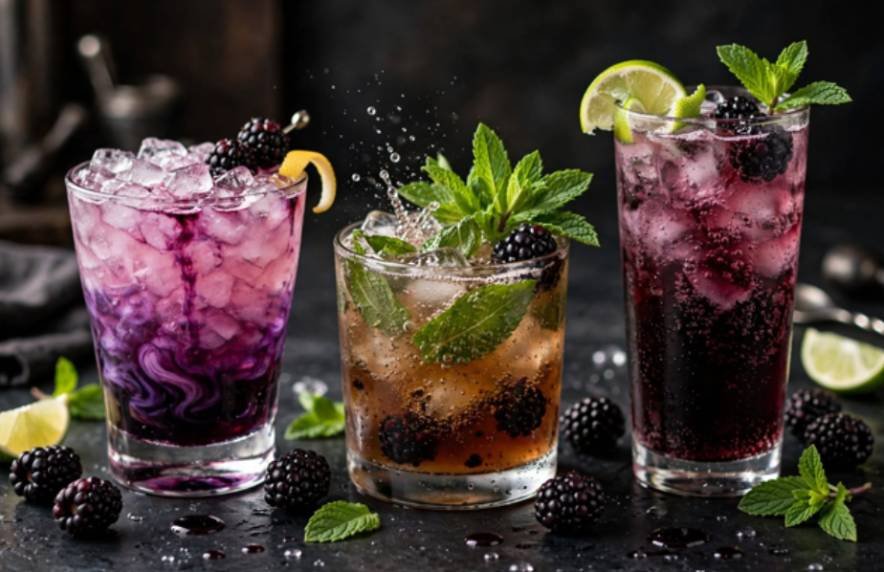
This syrup brings bright contrast to spirits, sparkling water, and cold brews.
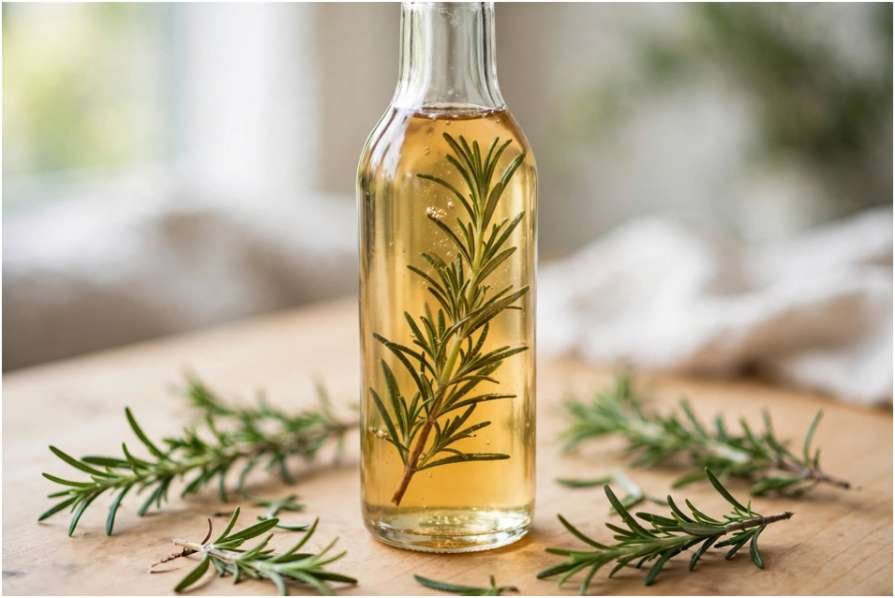
If you enjoy making fresh herb-infused mixers too, try this rosemary simple syrup with fresh herbs for another homemade option.
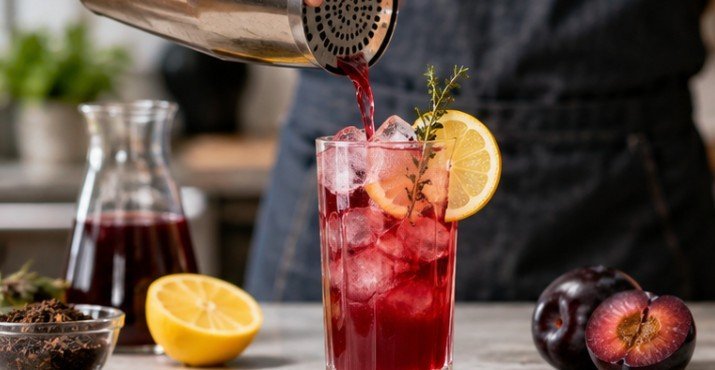
My favorite build is an updated Bramble. Fill an Old Fashioned glass with crushed ice, shake two ounces of dry gin with three-quarters of an ounce of fresh lemon juice, and strain the liquid over the ice. Slowly pour three-quarters of an ounce of this blackberry syrup directly down the center. It sinks to the bottom before bleeding outward, creating an eye-catching gradient.
For a summer smash, place five mint leaves in a shaker tin with three-quarters of an ounce of the syrup. Press the mint gently once to release its oils without bruising the herbs. Add two ounces of bourbon, three-quarters of an ounce of lemon juice, and cubed ice. Shake hard for ten seconds, strain into a lowball glass packed with ice, and crown with a splash of seltzer.
If you are skipping the booze, stir an ounce of syrup into eight ounces of chilled seltzer and finish with a squeeze of fresh lime. The natural acidity balances the sugar, giving you a dry, refreshing homemade soda that avoids the syrupy cloying finish of grocery-store cans.
Frequently Asked Questions
1. Why did my blackberry simple syrup turn thick and gummy?
Boiling the berries too long activates their natural pectin; always switch to an off-heat steep to keep the texture fluid.
2. Can I make this recipe without white sugar?
Yes, honey or agave nectar works, though they will alter the bright flavor and deep purple appearance.
3. How do I tell if my homemade syrup has gone bad?
Discard the batch immediately if you see cloudy sediment at the surface, notice floating mold spores, or smell fermentation.
4. What can I do with the leftover mashed blackberry pulp?
Stir the sweetened fruit mash directly into morning oatmeal, Greek yogurt, or spoon it over vanilla ice cream.
Stop Buying Artificially Colored Mixers
Ditch the day-glo store syrups packed with high-fructose corn syrup and red dye 40. Grab a pint of fresh blackberries this weekend, keep your burner heat low, and build a clean, scratch-made mixer that elevates your entire home bar setup.