
A party with 15 cocktail choices sounds generous. In practice, it can turn one corner of your kitchen into a slow-moving production line of bottles, garnishes, half-cut citrus, and guests waiting for drinks.
The smarter approach to how to build a cocktail menu for a party is surprisingly restrained: offer three to five distinct drinks, make their ingredients overlap, and design every choice around fast service. A good menu gives guests enough variety to find something they enjoy without forcing the host to operate a full cocktail bar.
The goal is not to impress people with quantity. It is to make every drink on the menu earn its place.
Start With the Number of Drinks, Not the Recipes
For most home parties, three or four cocktails plus one alcohol-free option is a useful target.
More choices increase the number of spirits, syrups, juices, garnishes, glasses, and preparation methods you need. They can also slow guests down as they study an unnecessarily complicated menu.
Instead, think in flavor categories.
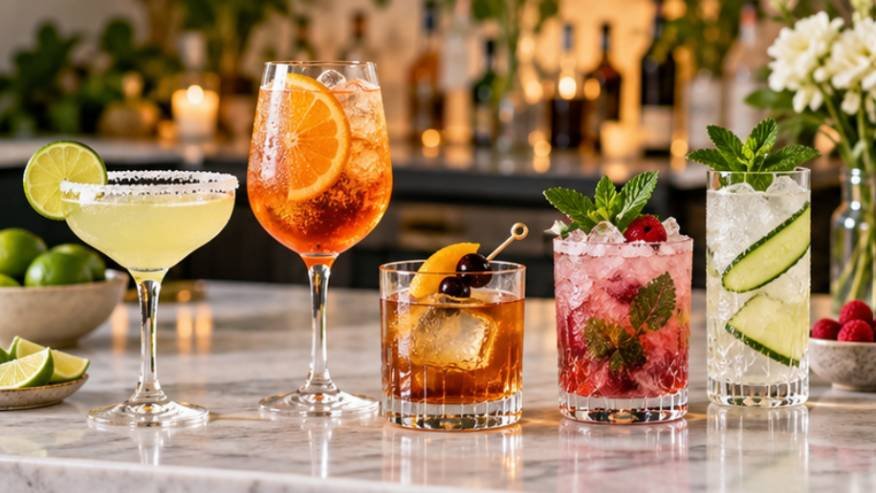
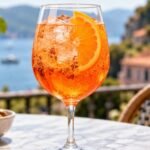
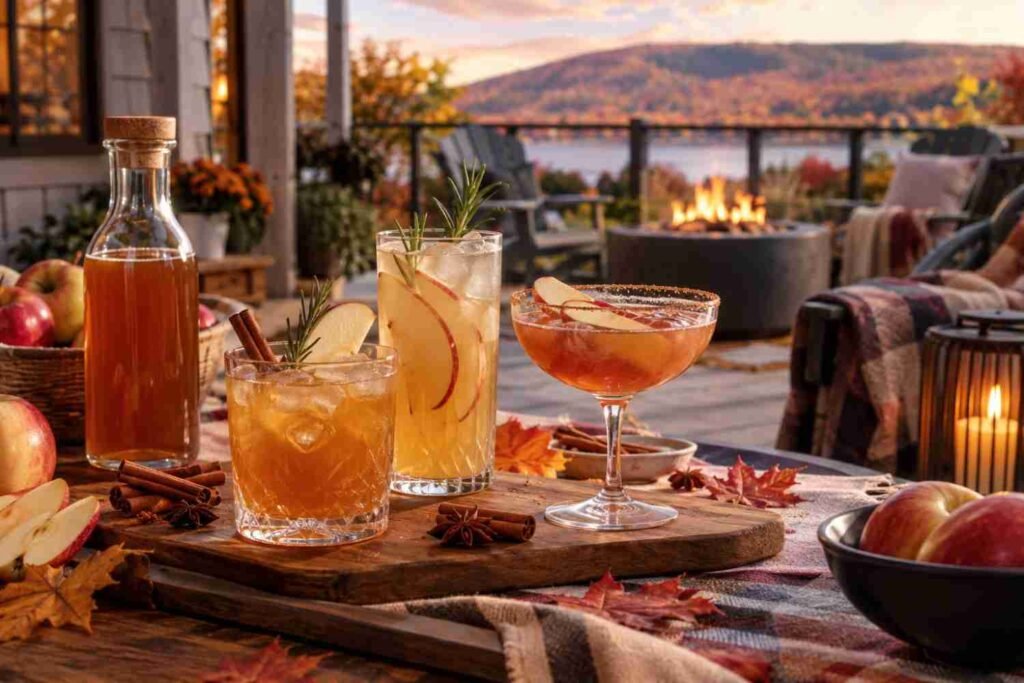
A four-drink menu might include a bright citrus cocktail, a refreshing tall drink, a stronger spirit-forward option, and a bubbly or lower-intensity drink. Then add a mocktail that feels deliberately designed rather than like soda offered as an afterthought.
That range covers far more preferences than four nearly identical vodka drinks.
| Menu role | Example style | Useful characteristic |
| Crowd-pleaser | Margarita-style sour | Bright, familiar, refreshing |
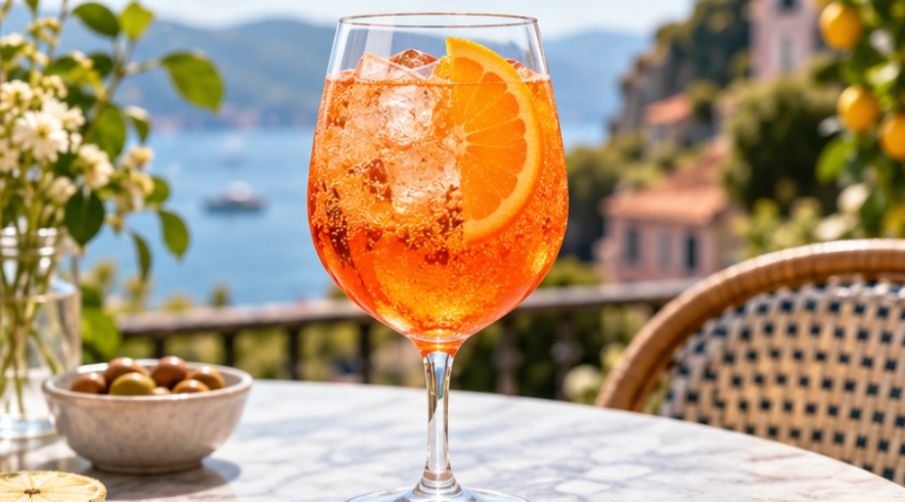
| Easy sipper | Highball or spritz | Light and easy to serve |
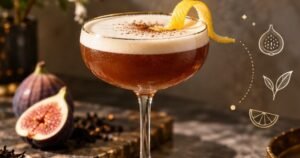
| Bold choice | Old Fashioned-style drink | Spirit-forward, slower sipping |
| Alcohol-free option | Citrus-herb spritz | Inclusive and refreshing |
Build Around Ingredient Overlap
Professional-looking cocktail menus do not require a shelf full of unrelated bottles.
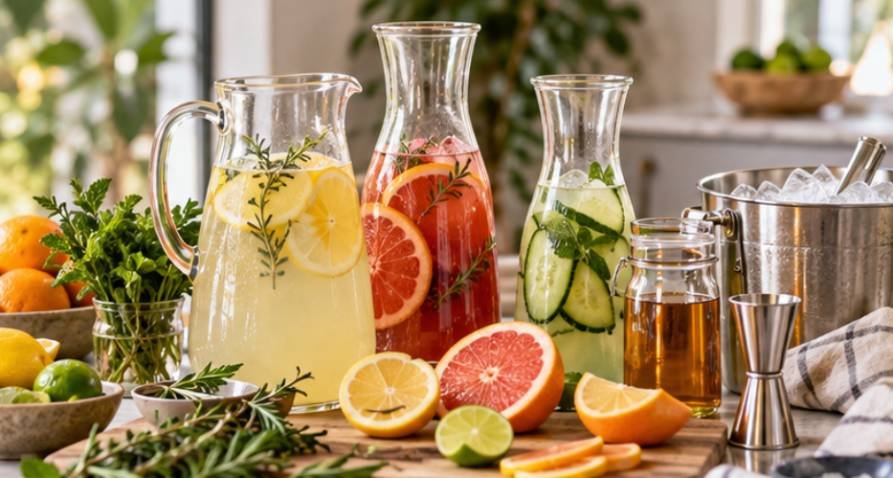
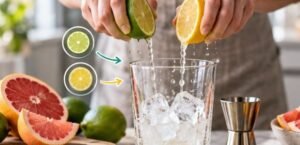
Choose two or three base spirits and repeat useful ingredients across the menu. Lime juice might appear in a tequila cocktail and a rum highball. Simple syrup can sweeten several drinks. Club soda, herbs, citrus wheels, and bitters can also serve multiple purposes.
Ingredient overlap reduces shopping costs, refrigerator space, waste, and last-minute preparation.
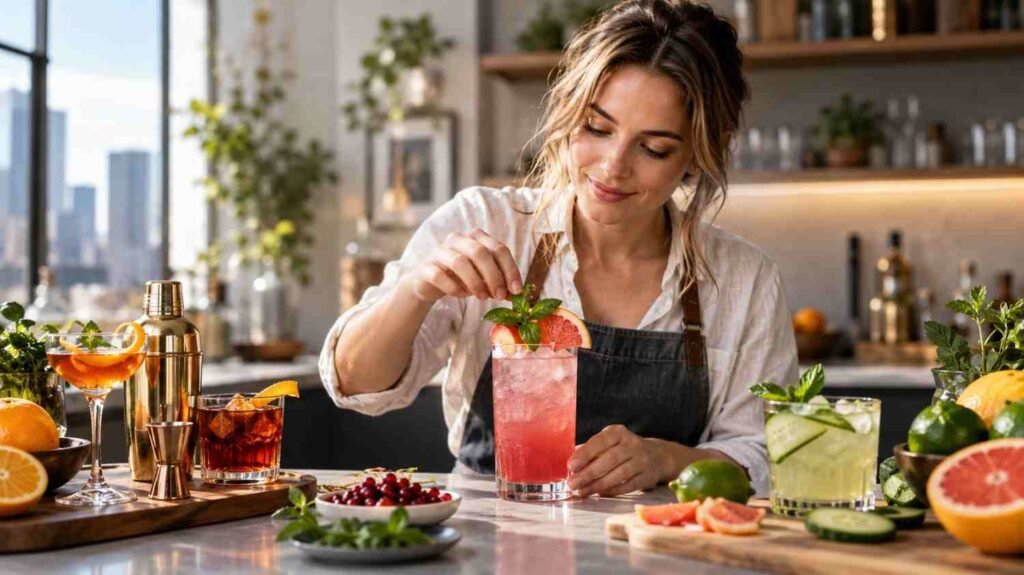
Imagine a summer party menu built around tequila and gin. Fresh lime, grapefruit, simple syrup, club soda, and mint could support several noticeably different drinks without requiring 20 ingredients.
This is one of the easiest ways to make a small home bar operate more like an organized event bar.
Give Every Cocktail a Different Job
Selecting four famous recipes is not enough. They should also taste different.
If every drink is sweet, citrus-heavy, and shaken, guests who prefer something dry or spirit-forward .
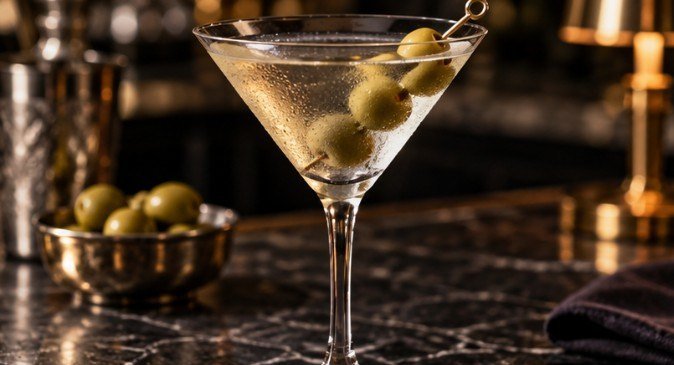
For a smoky, spirit-forward option, smoky mezcal cocktails can bring a completely different character to the menu without adding another sweet or citrus-heavy drink.
Think in Flavor, Strength, and Texture
A useful menu balances several variables at once.
One drink might be tart and refreshing. Another can be bitter or herbal. A third might be richer and spirit-forward. The final alcoholic option could feature sparkling wine or soda for a lighter texture. Strength matters too.
The CDC notes that a U.S. standard drink contains approximately 0.6 fluid ounces, or 14 grams, of pure alcohol. A standard serving is roughly equivalent to 1.5 ounces of 80-proof distilled spirits, but cocktails may contain more than one standard drink depending on their recipe and ABV. That makes measured pours preferable to casually free-pouring spirits into party drinks.
Make the Mocktail Part of the Menu
An alcohol-free cocktail should receive the same attention as everything else.
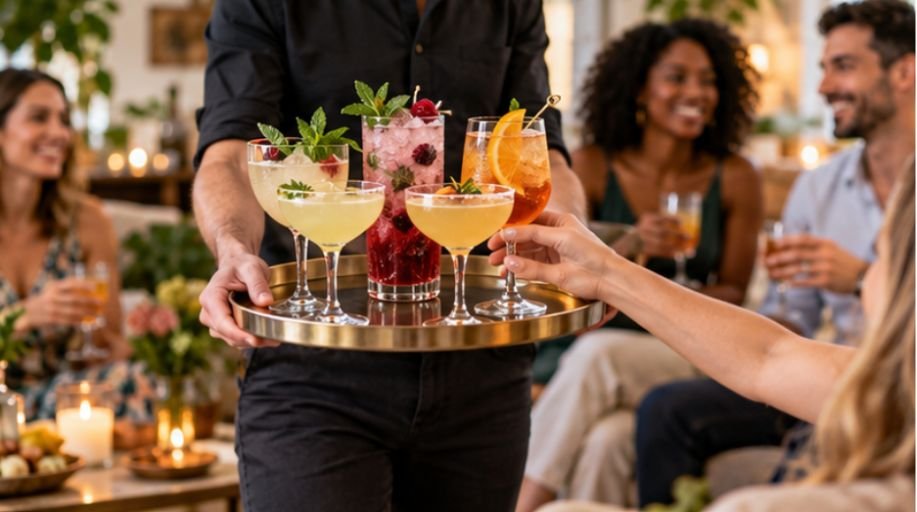
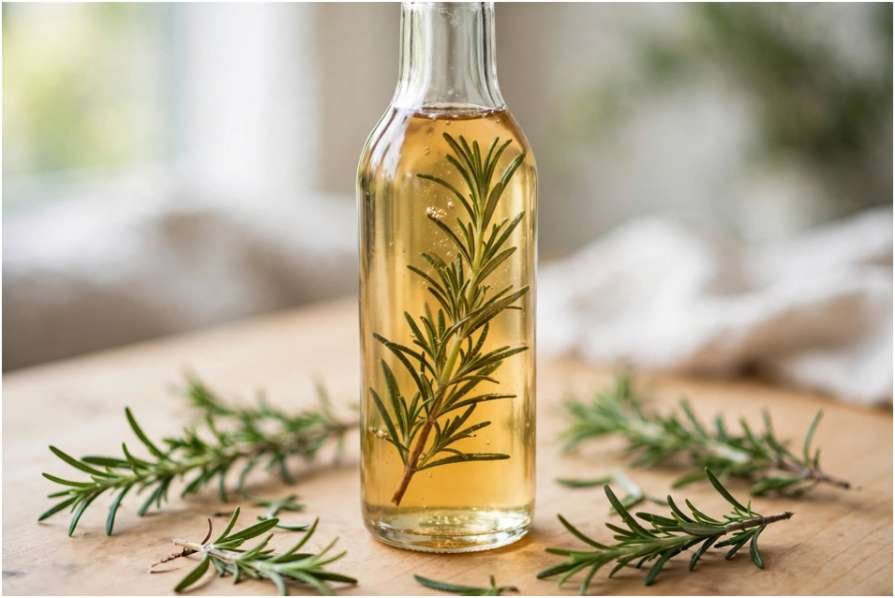
A sparkling rosemary-grapefruit drink, cucumber-lime cooler, or ginger-citrus fizz gives designated drivers, pregnant guests, people taking certain medications, guests who do not drink, and anyone simply pacing themselves an appealing alternative.
Responsibility.org specifically recommends providing water, zero-proof beverages, food, and safe transportation planning when alcohol is served.
The University of Michigan’s guidance on social gatherings similarly recommends clearly available nonalcoholic drinks and standard-sized alcoholic servings. That is both responsible hosting and good hospitality.
Design Drinks That Can Survive a Busy Party
A cocktail can taste fantastic and still be wrong for an event.
Frozen drinks require a blender. Egg-white cocktails demand repeated shaking. Drinks involving five individually measured ingredients become tedious when ten people order them simultaneously.
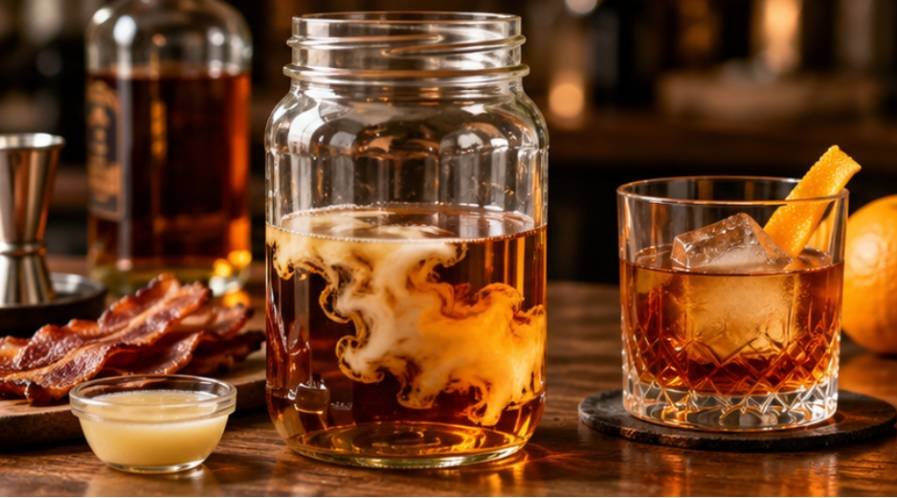
If you want a simple alternative when you don’t have a traditional cocktail shaker,a mason jar can work well for basic shaken drinks.
Before adding a cocktail, ask one question: can I make several of these quickly while still talking to my guests?
If the answer is no, simplify it.
Batch What You Can Before Guests Arrive
Cocktails built from spirits, syrups, liqueurs, and some juices can often be measured ahead in a refrigerated pitcher or sealed container.
Do not add carbonated ingredients too early. Club soda, tonic, sparkling wine, and other fizzy components should generally be added near serving time so the drink retains its carbonation.
Scaling is straightforward. If one cocktail uses 1.5 ounces of tequila, 0.75 ounce lime juice, and 0.5 ounce syrup, multiplying each ingredient by 12 produces a 12-serving batch: 18 ounces tequila, 9 ounces lime juice, and 6 ounces syrup.
Keep the batch chilled and clearly labeled.
Calculate Before You Shop
Learning how to build a cocktail menu for a party also means knowing how much each recipe consumes.
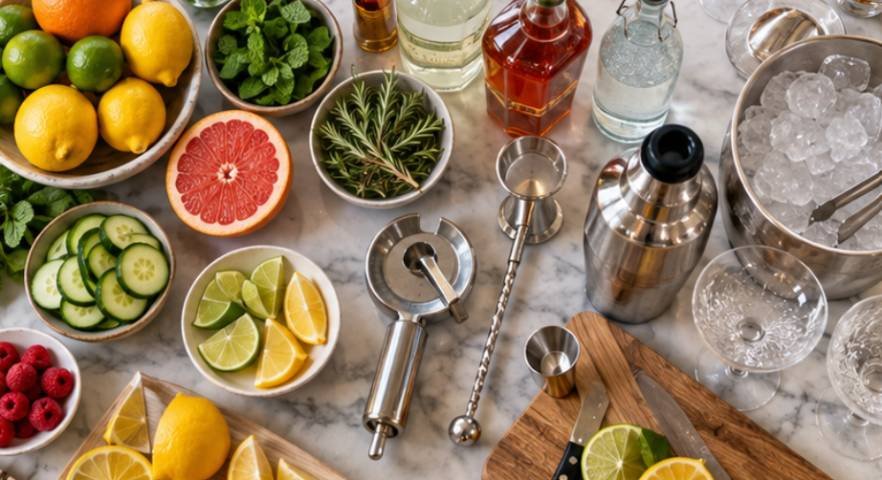
Write down the per-serving quantity for every ingredient, decide how many servings of that drink you realistically want available, and multiply. Then compare ingredients across recipes before shopping.
If three cocktails require lime, calculate the combined amount instead of shopping recipe by recipe. Do the same for spirits, syrups, sparkling water, garnishes, and ice. Also plan water and food as part of the beverage setup rather than treating them as extras.
NIAAA explains that alcohol content varies substantially among drinks and that serving size alone does not indicate how much alcohol a beverage contains.
Write a Menu Guests Can Understand in Seconds
Cocktail menus at private parties do not need elaborate tasting notes.
Give each drink a recognizable name, followed by its main ingredients and a short flavor description such as “bright and citrusy,” “herbal and sparkling,” or “rich and spirit-forward.”
That description is often more useful than listing every technical detail.
Place the menu beside the drink station on a small sign, framed sheet, or card. Guests can decide before reaching the bar, which keeps service moving.
Skip prices, obviously, and avoid making alcohol the only visual focus. Water and the zero-proof option should be just as easy to find.
Build Responsible Hosting Into the Setup
Cocktail planning does not stop at taste.
In the United States, alcohol should never be served to anyone under 21. Hosts should also make transportation planning easy and avoid encouraging rapid consumption.
Cornell Health alcohol safety guidance advises eating before or while drinking, pacing alcoholic beverages, alternating with nonalcoholic drinks, and planning safe transportation. Mothers Against Drunk Driving recommends that party hosts confirm guests have a safe ride, provide appealing nonalcoholic options, serve food, and use non-drinking designated drivers.
A great host should be able to enjoy the party too, which is another argument for batching drinks and keeping the menu small.
Frequently Asked Questions
1. How many cocktails should I offer at a party?
Three to five choices are usually enough to provide variety without making shopping, preparation, and service unnecessarily complicated.
2. Should I make cocktails before the party?
Yes, many noncarbonated components can be measured or batched ahead. Add sparkling wine, soda, tonic, and other carbonated ingredients close to serving.
3. Do I need a mocktail on my cocktail menu?
It is strongly recommended. A well-designed zero-proof drink accommodates non-drinkers, designated drivers, and guests who want to alternate between alcoholic and nonalcoholic beverages.
4. What is the easiest cocktail menu for beginners?
Choose simple sours, highballs, spritz-style drinks, or other recipes with roughly three or four ingredients and significant ingredient overlap.
A Better Party Starts With Fewer Bottles
The secret to how to build a cocktail menu for a party is not collecting as many recipes as possible. It is editing.
Choose a few drinks with genuinely different personalities, reuse ingredients intelligently, batch the labor-intensive parts, keep sparkling components fresh, and give the alcohol-free choice equal billing. Measure pours rather than guessing, and make food, water, and safe transportation part of the plan from the beginning.
If guests can find a drink they like in seconds—and you can serve it without disappearing behind the bar all evening—the menu has done its job.




One comment on “How to Build a Cocktail Menu for a Party Without Overworking the Bar”