
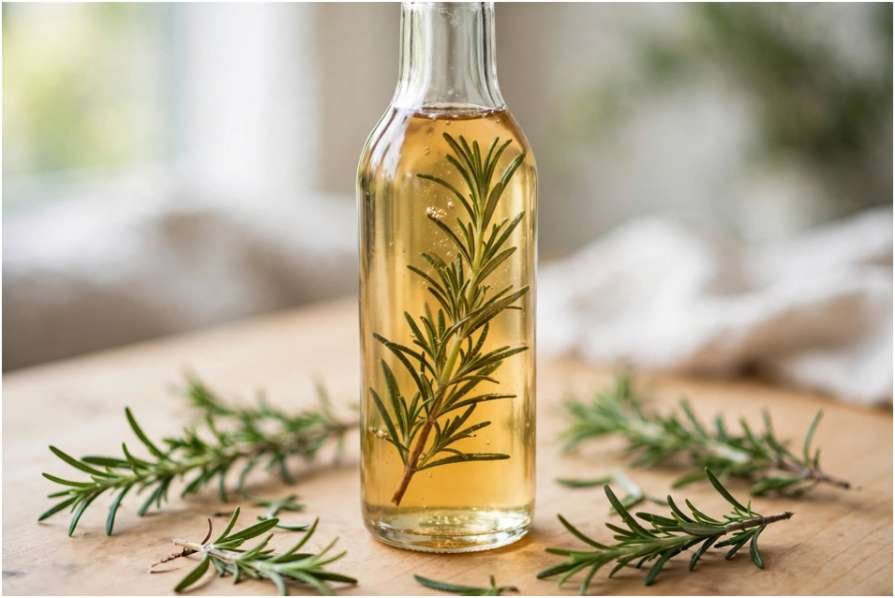
Nothing ruins a craft cocktail faster than artificial flavoring. When you learn how to make rosemary simple syrup with fresh herbs, you master the easiest way to bring woodsy botanical aromatics into your home bar.
Most kitchen attempts turn out either aggressively bitter or disappointingly faint. After months of testing herbal extractions behind my bar, I discovered that treating rosemary like delicate tea leaves—rather than hard candy—makes all the difference.
The Science of Extracting Piney Terpenes Without Bitterness
Rosemary (Rosmarinus officinalis) owes its pine-forward, resinous fragrance to volatile terpenes: mainly alpha-pinene, camphor, and 1,8-cineole. Peer-reviewed research indexed on NCBI demonstrates that these aromatic compounds are heat-sensitive.
Prolonged boiling degrades their delicate botanical character and leaves behind astringent, wood-derived tannins.
Why Boiling Fresh Herbs Ruins the Profile
Most online recipes instruct you to boil herbs directly in bubbling sugar syrup for several minutes. That approach extracts harsh chlorophyll and bitter compounds from the plant cell walls. You end up with a murky, brownish syrup that tastes like boiled lawn clippings rather than fresh pine.
Selecting Tender Tops Over Woody Stems
Strip only the tender, green needle clusters from the top third of each stem. The thick, bark-like lower stems contain high concentrations of astringent resins. Keeping these woody segments out of your pan ensures a clean, crystalline sweetness that lets the herbal finish shine.
Ingredients and Ratios for Herbal Simple Syrup
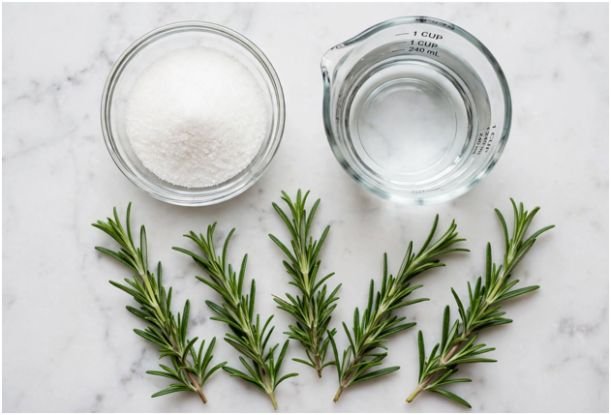
Standard mixology relies on a 1:1 volume ratio of sweetener to liquid. This ratio keeps cocktails balanced without altering the water volume needed for proper dilution during shaking.
- 1 cup granulated white cane sugar: Avoid raw sugars here; their heavy molasses notes compete with fresh herbs. If you want deep caramel richness for bourbon drinks, consider whipping up a batch of homemade demerara syrup instead.
- 1 cup filtered water: Tap water with high mineral or chlorine content dulls botanical aromatics.
- 5 to 6 fresh rosemary sprigs: Look for vibrant green, aromatic stalks that snap cleanly when bent.
Step-by-Step Brewing Method
Grab a small stainless steel saucepan, a fine-mesh conical strainer, and a clean glass bottle.
Step 1: Create the Neutral Base
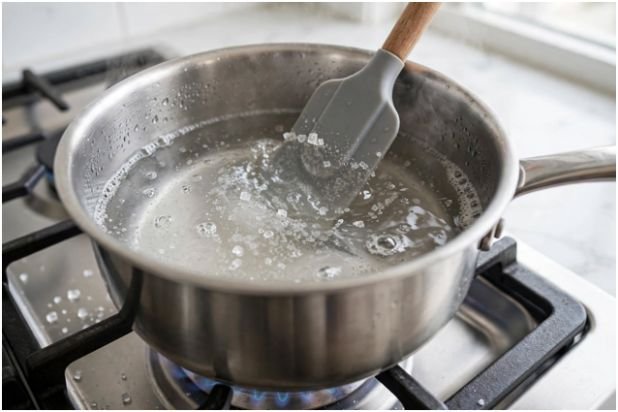
Place the water and cane sugar into your saucepan over medium heat. Stir continuously with a silicone spatula until the liquid turns completely clear and the crystals dissolve. Bring the mixture to a faint simmer, then cut the heat immediately.
Step 2: The Off-Heat Herbal Steep
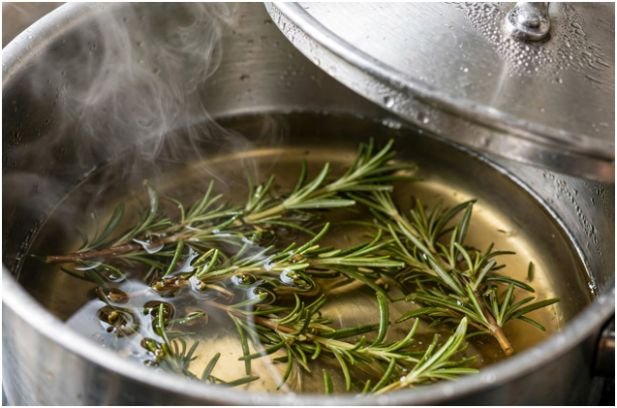
Drop your prepared rosemary sprigs directly into the hot, non-boiling liquid. Submerge the needles completely with the back of a spoon. Cover the pan tightly with a lid to trap evaporating aromatic oils inside the vessel.
Let the herbs steep undisturbed for 20 minutes. If you enjoy bright fruit pairings, this is the exact moment you can toss in crushed berries, similar to how I make fresh blackberry simple syrup for summer sodas.
Step 3: Clarifying and Bottling
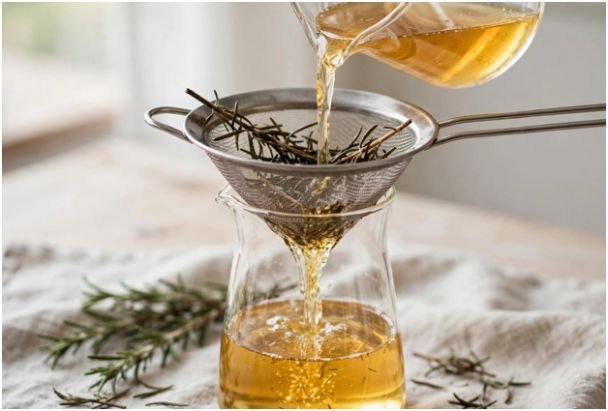
Pour the infused liquid through a fine-mesh strainer into a heat-safe glass vessel. Never press, squeeze, or mash the rosemary needles against the mesh. Forcing plant solids through the sieve introduces cloudiness and accelerates spoilage. Discard the spent herbs into your compost bin and allow the syrup to cool to room temperature.
How to Store and Extend Shelf Life Safely
Sugar acts as a natural humectant, binding free water molecules to inhibit microbial growth. However, standard 1:1 syrups maintain a water activity level ($a_w$) high enough for mold spores to take hold over time. Guidelines from the National Center for Home Food Preservation emphasize the importance of sanitized storage vessels and temperature control for low-acid liquid preserves.
Pour the cooled syrup into a freshly scalded, airtight glass bottle. Stored in the coldest section of your refrigerator, it remains fresh for 14 days. If you want to double that lifespan to a full month, add a half-ounce of 80-proof neutral vodka right before sealing. The alcohol prevents yeast fermentation without altering the flavor profile.
Mixology Pairings and Culinary Uses

This herbaceous sweetener transforms classic beverage recipes across spirits:
- The Herbal Greyhound: Shake two ounces of gin or vodka with three ounces of fresh ruby red grapefruit juice and three-quarter ounces of rosemary syrup. The piney notes slice straight through the tart, bitter grapefruit oil.
- The Smoked Bourbon Old Fashioned: Stir two ounces of rye whiskey, one-third ounce of rosemary syrup, and two dashes of aromatic bitters over ice. Express an orange peel over the rim and garnish with a lightly torched rosemary sprig.
- Sparkling Mocktails: Combine an ounce of syrup with fresh Meyer lemon juice, topped with club soda and crushed ice for an elevated zero-proof cooler.
- Morning Kitchen Uses: Drizzle a spoonful over hot buttermilk biscuits, poach sliced pears in the liquid, or whisk it into olive oil with Dijon mustard for an herbaceous salad dressing.
Frequently Asked Questions
1. Why does my rosemary simple syrup taste bitter?
You boiled the herb directly over heat instead of using a flame-off steeping process.
2. Can I substitute honey or maple syrup for white sugar?
Yes, but earthy sweeteners overpower delicate pine notes; stick to mild clover honey if substituting.
3. How do I tell if the syrup has spoiled?
Discard the batch if you notice cloudiness, floating strands of mold, or a sour, yeasty odor.
4. Can I freeze rosemary simple syrup for later use?
Freeze the cooled syrup in silicone ice cube trays for up to six months with zero flavor loss.
Stop Settling for Boring Drinks
Mastering your own cocktail components saves money and instantly upgrades your hospitality game. Once you taste how clean a true off-heat infusion is, commercial cocktail mixers will never earn shelf space in your pantry again.
Pick fresh stems from your garden or grocery produce section, bottle a batch tonight, and start pouring drinks worth talking about.














2 comments on “How to Make Rosemary Simple Syrup With Fresh Herbs”