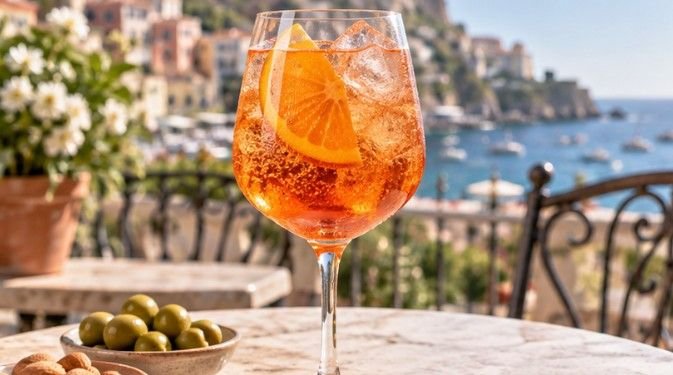
A drink can look tall, icy, and “light” while carrying more alcohol than expected. The reverse is also true: a bitter spritz or sherry highball can taste complex without a full pour of 80-proof spirits. That is the appeal of low abv cocktails for summer—not watered-down drinks, but cocktails designed around lower-proof ingredients, generous mixers, and intentional dilution.
There is no single U.S. legal definition for a low-ABV cocktail. For practical home bartending, think of it as a mixed drink whose finished strength sits meaningfully below a typical spirit-forward cocktail, often around 5% to 15% ABV.
Low-ABV Does Not Mean “Barely Alcoholic”
The useful number is not the proof of one bottle; it is how much pure alcohol ends up in the glass.
The National Institute on Alcohol Abuse and Alcoholism defines one U.S. standard drink as 0.6 fluid ounces, or 14 grams, of pure alcohol. That is roughly 12 ounces of 5% beer, 5 ounces of 12% wine, or 1.5 ounces of 40% spirits.
A large, lower-strength cocktail can therefore still contain a full standard drink. A 10-ounce drink at 6% ABV contains about as much pure alcohol as a 5-ounce glass of 12% wine.
A Quick Way to Estimate Cocktail ABV
Use this formula:
Estimated ABV = (total ounces of pure alcohol ÷ total liquid ounces) × 100
For each alcoholic ingredient, multiply its volume by its decimal ABV. If a recipe uses 1.5 ounces of a 24% aperitif, it contributes 0.36 ounces of pure alcohol. Add all liquid ingredients and divide.
Ice melt lowers the concentration in the glass, but it does not remove alcohol already poured.
Six Summer Drinks That Keep Flavor High and Proof Lower
The best low abv cocktails for summer use bitterness, acidity, bubbles, herbs, fruit, and fortified wine to create complexity. Exact strength varies by brand, market, recipe, and pour, so these figures are working estimates based on common U.S. bottlings.
| Drink | Practical summer build | Approx. ABV before major ice melt |
| Aperol Spritz | 3 oz prosecco, 2 oz Aperol, 1 oz soda | ~9% |
| Americano | 1.5 oz Campari, 1.5 oz sweet vermouth, 3 oz soda | ~10% |
| Garibaldi | 1.5 oz Campari, 4 oz fresh orange juice | ~6–7% |
| Pimm’s Cup | 2 oz Pimm’s No. 1, 4 oz lemonade or ginger ale | ~8% |
| Sherry Cobbler | 3 oz dry sherry, 1 oz citrus, 0.5 oz syrup | ~10–12% |
| Vermouth & Soda | 3 oz vermouth, 3 oz soda | ~8% |
Aperol Spritz and Americano: Bitterness Does the Heavy Lifting
A spritz uses carbonation, cocktail foam without egg white and orange bitterness to make a modest amount of alcohol feel lively. Plenty of ice keeps it cold while gradual dilution prevents the drink from becoming cloying.
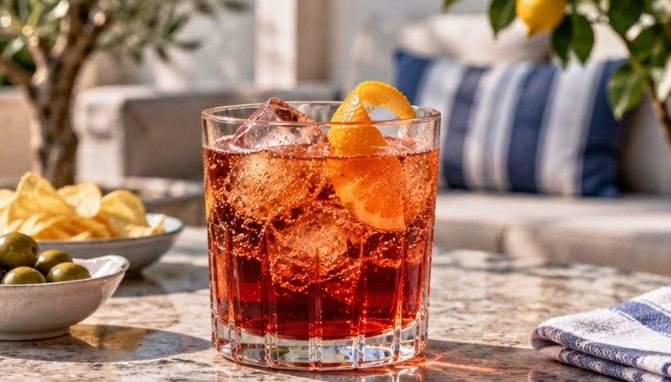
The Americano follows a similar idea with bitter aperitif, sweet vermouth, and soda. It preserves much of the bittersweet character associated with a Negroni while leaving out the high-proof gin.
Garibaldi and Pimm’s Cup: Fruit Without a Heavy Pour
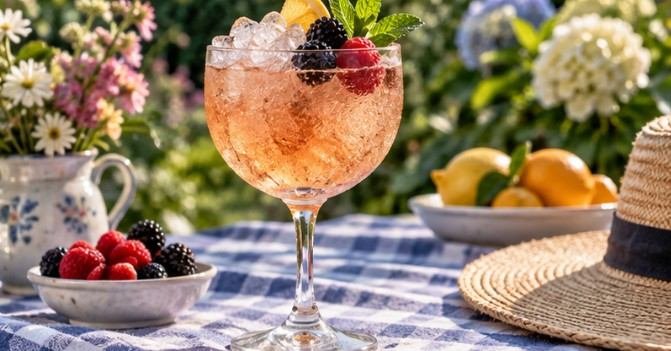
The Garibaldi needs only bitter aperitif and fresh orange juice. Frothing the juice before pouring improves texture and aroma, making a two-ingredient drink feel surprisingly polished.
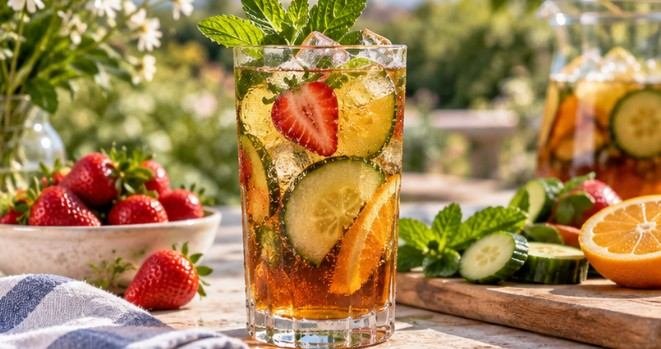
Pimm’s No. 1 stretches easily with lemonade or ginger ale. Cucumber, strawberries, citrus, and mint make it especially useful for backyard barbecues, brunches, and summer pitchers.
Sherry Cobbler and Vermouth Soda: Wine-Based Complexity
Dry sherry brings savory, nutty character at a lower proof than most distilled spirits. Crushed ice chills and gradually lengthens a cobbler as it melts.
For an even simpler drink, start with equal parts chilled vermouth and soda, then add lemon peel, cucumber, olives, or bitters. Refrigerate opened vermouth because it is wine-based and its flavor deteriorates after exposure to air.
The Three-Step Summer Strength Test
First, calculate total pure alcohol instead of judging by glass size. NIAAA’s U.S. standard-drink measure provides a useful reference for understanding how much alcohol a serving actually contains.
Second, consider the setting. Current CDC heat guidance recommends drinking plenty of fluids and considering limits on alcohol during hot conditions. A lower-proof cocktail is still alcohol and should not replace water at a beach day, cookout, pool party, or outdoor concert.
Third, consider the drinker. The FDA notes that alcohol can interact with prescription and over-the-counter medicines, including some products that increase drowsiness or slow reactions. Lowering a cocktail’s ABV does not override a medication warning.
How to Lower Alcohol Without Flattening Flavor
Replace part of a 40% spirit with vermouth, sherry, amaro, aperitif wine, or another lower-proof modifier. Then create length with soda, tonic, chilled tea, verjus, citrus, or unsweetened sparkling water.
Increase aroma rather than alcohol. Expressed citrus peel, mint, basil, cucumber, bitters, and fresh ginger can make a drink feel more intense without increasing its proof.
Keep sugar controlled, too. Excessive sweetness can make a long drink feel heavy during warm weather and can hide the flavors that make lower-proof ingredients interesting.
A useful experiment is to change one variable at a time. If a favorite highball uses 2 ounces of gin, try 0.75 ounce gin plus 1.25 ounces dry vermouth while leaving the mixer unchanged. You keep recognizable botanical character while reducing the amount of pure alcohol.
Where Low-ABV Has Limits
Lower proof does not mean alcohol-free, hydrating, or safe for driving. NHTSA states that even small amounts of alcohol can impair driving-related abilities, so a lower-strength cocktail should never be treated as a workaround for impaired-driving risk.
Some people should avoid alcohol entirely. MedlinePlus identifies groups including people who are pregnant or trying to become pregnant, under age 21, taking medicines that interact with alcohol, unable to control their drinking, managing certain health conditions, or planning to drive.
For hosts, one of the easiest improvements is offering cold water and a genuinely zero-proof drink beside every alcoholic pitcher. That makes drinking less a normal choice rather than a compromise.
Frequently Asked Questions
1. What counts as a low-ABV cocktail?
There is no universal U.S. cutoff. The term generally describes a cocktail noticeably weaker than spirit-forward drinks, often using wine, vermouth, sherry, aperitifs, or longer mixers.
2. Are low-ABV cocktails safer in hot weather?
They contain less alcohol only if the recipe truly uses less ethanol. Heat still makes hydration, shade, cooling, and pacing important, so water should remain the main hydration drink.
3. Which ingredients work best for low-proof drinks?
Vermouth, sherry, wine, sparkling wine, amari, bitter aperitifs, and fruit cups provide substantial flavor without requiring a full measure of distilled spirits.
4. Can I batch low-ABV cocktails?
Yes. Batch still ingredients ahead, chill thoroughly, and add soda or sparkling wine near serving time. Refrigerate cut fruit and add fresh herbs near service for better aroma.
A Better Summer Drink Is Designed, Not Diluted
The smartest low abv cocktails for summer are built differently from the start: lower-proof bases, bright acidity, aromatic garnishes, bubbles, cold temperature, and enough dilution to stay refreshing.
That approach gives you more control without turning every glass into flavored seltzer. Learn the simple ABV calculation, check actual bottle strengths, keep water nearby, and offer a zero-proof alternative. A summer cocktail does not need to hit hard to taste complete. Often, the most memorable glass is the one that leaves room for the rest of the afternoon.
Leave a Reply