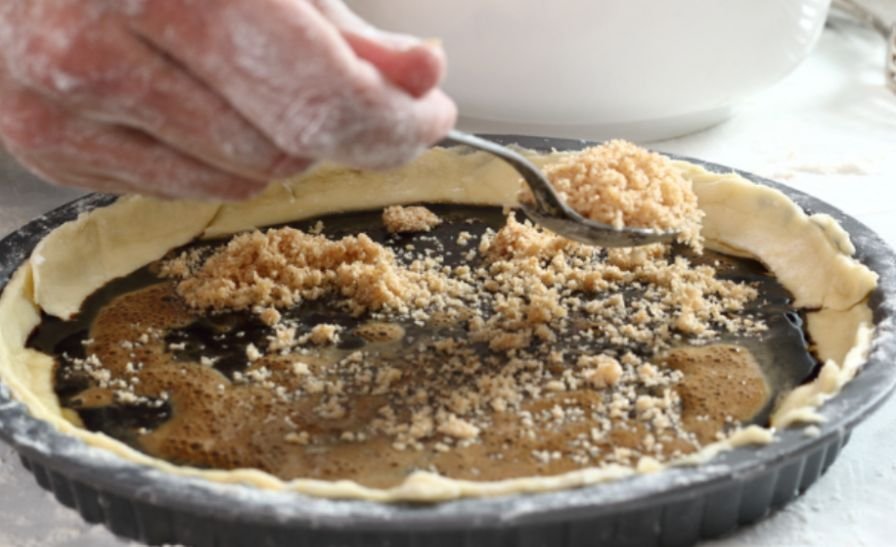
When I first compared Treacle vs molasses, the two syrups appeared almost identical. Both were dark, thick, sticky, and capable of giving baked goods a deep caramelized color. Once I tasted them separately, however, the differences became much clearer. Treacle generally offered balanced sweetness with burnt-caramel notes, while molasses produced a stronger, earthier flavor.
The comparison is complicated because “treacle” can describe more than one product. Light treacle is commonly known as golden syrup, whereas black treacle is the dark syrup usually compared with molasses. Molasses also comes in light, dark, and blackstrap varieties. Choosing the right product therefore depends on the exact syrup named in a recipe.
What Is Treacle?
Treacle is an uncrystallized syrup associated with sugar refining. The word is widely used in British and Commonwealth cooking, but its meaning changes according to the recipe.
Light treacle, better known as golden syrup, has a pale amber color and a mild buttery-caramel flavor. It is considerably sweeter and lighter than molasses. It appears in flapjacks, biscuits, puddings, tarts, and other desserts requiring sweetness without an overpowering dark flavor.
Black treacle is a blend that commonly contains cane molasses and partially inverted sugar syrup. It has a dark color, sticky texture, and bittersweet flavor. The inverted syrup helps create a smoother sweetness and retain moisture in baked goods. Black treacle is used in gingerbread, parkin, fruitcake, steamed puddings, toffee, glazes, and marinades.
A recipe that simply requests treacle must be interpreted carefully. Treacle tart normally calls for golden syrup, while dark fruitcakes and parkin generally require black treacle. Substituting one for the other would noticeably change the result.
What Is Molasses?
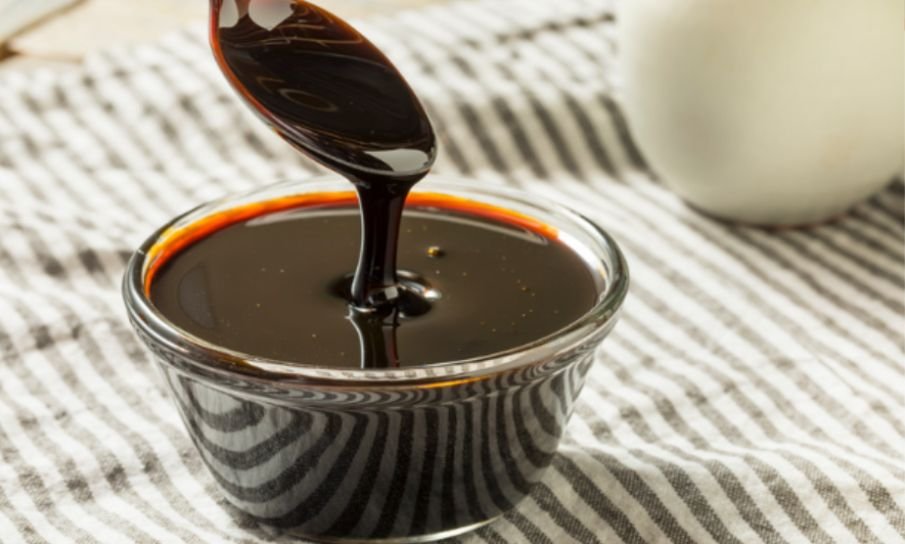
Molasses is the liquid remaining after sugar crystals have been separated during sugar production. Its color, sweetness, and flavor vary according to the stage at which it is collected.
Light molasses comes from an early processing stage and is the sweetest, mildest variety. It works well in cookies, cakes, breads, sauces, and glazes. Dark molasses has a more concentrated flavor, deeper color, and noticeable bitterness. It is suitable for gingerbread, baked beans, barbecue sauce, marinades, and strongly flavored cakes.
Blackstrap molasses is produced after additional processing. It contains less sugar and has a particularly intense, mineral-like bitterness. Although it suits certain savory dishes and recipes specifically formulated for it, blackstrap is rarely the best direct replacement for ordinary baking molasses or black treacle.
Molasses may also be labeled sulphured or unsulphured. Unsulphured molasses is generally preferred for cooking because it has a cleaner, more appealing flavor.
The Main Differences Between the Syrups
The clearest difference involves composition. Molasses is a product of sugar processing, whereas commercial black treacle may combine molasses with refiner’s or inverted sugar syrup. The precise formula varies between manufacturers, so brand choice can influence the final taste.
Black treacle usually has a rounded bittersweet profile with caramel, smoky, and lightly burnt notes. Ordinary molasses tends to taste earthier and more assertive. Blackstrap is considerably more bitter than either one and should be treated as a separate ingredient.
Both syrups are thick, but consistency can differ by variety and brand. Black treacle is normally glossy and sticky. Molasses may range from relatively fluid light molasses to dense blackstrap. Both contribute moisture and encourage browning, although their different sweetness levels can affect the finished recipe.
The distinction between syrups becomes even more pronounced when comparing stevia syrup vs simple syrup, as differences in composition directly influence sweetness, texture, and how each performs in a recipe.
Can Treacle and Molasses Replace Each Other?
In many dark cakes, cookies, puddings, breads, sauces, and marinades, black treacle and regular molasses can be exchanged in equal amounts. The substitution will work structurally, but the finished flavor may not be identical.
Replacing black treacle with light or dark molasses generally creates a stronger, earthier taste. Using black treacle instead of molasses can make the result slightly sweeter and less forceful. When the syrup is only a minor ingredient, this difference may be difficult to notice. It becomes more obvious when a recipe uses several tablespoons or more.
Blackstrap requires greater caution. Its intense bitterness can dominate gingerbread, cookies, and desserts. If blackstrap is the only option, using a smaller amount and making up the remaining quantity with golden syrup may create a better balance. This adjustment will still change the original recipe, so regular unsulphured molasses remains the safer substitute.
Golden syrup should not be treated as an equivalent. Replacing it with dark treacle or molasses will produce a darker, less sweet dessert with a much stronger flavor.
The same consideration applies when substituting brown sugar syrup vs simple syrup, as the choice can alter sweetness, depth of flavor, and the overall character of the finished recipe.
How Each Choice Changes Baking Results
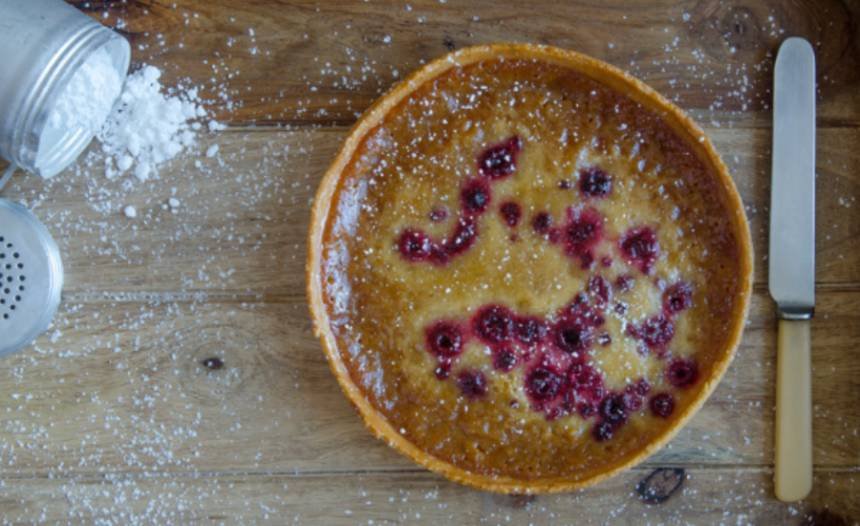
In gingerbread, black treacle creates a dark color and rounded burnt-sugar flavor. Dark molasses makes the spice profile more robust and earthy. Either may work, depending on the desired intensity.
Molasses cookies usually benefit from light or dark molasses because their formulas are designed around its characteristic flavor. Black treacle can still work, but the cookies may taste smoother and slightly sweeter.
Traditional parkin and dark fruitcakes are particularly well suited to black treacle. Its moisture-retaining properties help these bakes remain soft as their flavors mature. Sticky toffee pudding recipes vary: some depend on dates and golden syrup, while others use black treacle or molasses for additional depth.
In barbecue sauce, baked beans, glazes, and marinades, molasses provides an assertive flavor that stands up to smoke, salt, acidity, and spices. Black treacle creates a gentler sweetness while still adding color and body.
The same principle applies to cocktails, where maple syrup vs simple syrup in cocktails can produce noticeably different levels of sweetness, depth, and aromatic character.
Measuring and Storing Dark Syrups
Treacle and molasses are easier to measure when the spoon or measuring cup is lightly coated with neutral oil. The syrup slides out cleanly instead of clinging to the surface. A container can also be placed in warm water briefly to make a very thick syrup easier to pour.
Both products should be sealed tightly and stored in a cool, dry cupboard. Cleaning the rim before replacing the lid prevents sticky buildup and makes the container easier to open later. The label’s storage and best-before instructions should take priority because formulations vary.
Frequently Asked Questions
1. Is Treacle vs molasses mainly a difference in name?
No. Regional naming causes some confusion, but black treacle and molasses may also differ in composition, sweetness, bitterness, and culinary performance.
2. Is black treacle the same as golden syrup?
No. Black treacle is dark and bittersweet, while golden syrup, or light treacle, is pale, mild, and distinctly sweeter.
3. What is the closest substitute for black treacle?
Regular dark molasses is usually the closest widely available substitute. Light molasses can work when a milder result is preferred. Blackstrap is normally too bitter for a direct exchange.
4. Can I use black treacle in molasses cookies?
Yes. A one-to-one substitution generally works, although the cookies may have a smoother, sweeter, and slightly smokier flavor.
Final Thoughts
After comparing Treacle vs molasses, I would choose according to the recipe rather than appearance alone. Black treacle is my preference when I want balanced sweetness, moisture, and a rounded burnt-caramel character. Regular molasses is better when a recipe needs a bolder, earthier flavor.
The most important step is checking which variety the recipe requires. Black treacle and ordinary molasses are often interchangeable, but golden syrup and blackstrap occupy opposite ends of the flavor spectrum. Recognizing those distinctions makes substitutions more predictable and prevents an unexpectedly pale, dark, sweet, or bitter result.
Leave a Reply