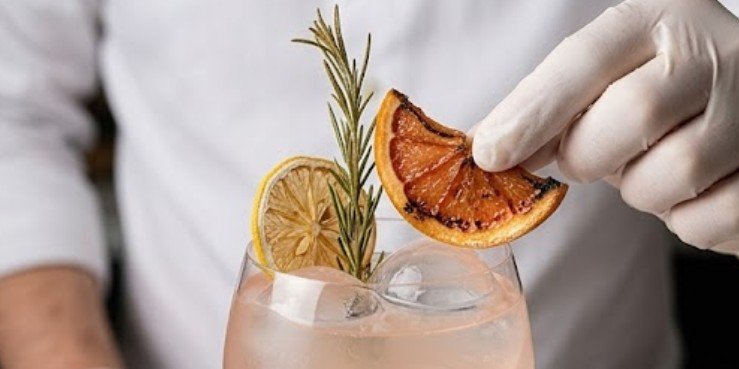
The quickest way to make a zero-proof drink taste grown-up is not to add more syrup. It is to give the glass what a good cocktail has: acidity, bitterness, aroma, texture, and a deliberate finish. That is the real secret behind sophisticated alcohol free drinks at home.
Citrus sharpens sweetness. Strong tea adds tannin. Ginger creates heat. Fresh herbs lift aroma. A shrub adds fruit and vinegar. Alcohol contributes warmth and body, so removing it without replacing those functions can leave a drink tasting like juice with bubbles.
Why Alcohol-Free Drinks Often Taste Too Simple
Many homemade mocktails rely on juice, soda, and syrup. All three can push a drink toward sweetness. A bitter, acidic, herbal, spicy, or tannic counterweight makes the flavor feel complete.
The [CDC’s guidance on alcohol and health] CDC alcohol use and health notes that drinking less alcohol lowers alcohol-related health risks. Yet alcohol-free does not automatically mean low-sugar. The [FDA’s added sugars guidance] FDA added sugars guidance explains how to use the Added Sugars line on Nutrition Facts labels, which is particularly useful when comparing syrups, mixers, and bottled zero-proof drinks.
There is also a U.S. labeling distinction worth noticing. Under [Alcohol and Tobacco Tax and Trade Bureau guidance] TTB alcohol-content labeling guidance for malt beverages, “non-alcoholic” can describe a product containing less than 0.5% alcohol by volume, while “alcohol free” is reserved for products containing no alcohol. If complete avoidance matters, read the label.
The Five-Part Formula for a Better Zero-Proof Drink
Build around five functions.
| Layer | Purpose | Easy options | Starting amount |
| Base | Body and identity | Chilled tea, zero-proof aperitif, cucumber juice | 2–3 oz |
| Acid | Brightness | Lemon, lime, grapefruit, shrub | 1/2–3/4 oz |
| Sweet | Softens sharp edges | Simple, honey, maple, demerara syrup | 1/4–1/2 oz |
| Depth | Complexity | Ginger, herbs, spice, alcohol-free bitters | Small amount |
| Length | Lift and dilution | Seltzer, tonic, sparkling tea | 2–4 oz |
Taste before adding more sweetener. A flat drink may need acid, salt, bitterness, or aroma instead.
If you are choosing between richer and cleaner sweetness, this comparison of Demerara syrup vs. simple syrup shows how the sweetener changes flavor and body.
Four Sophisticated Alcohol-Free Drinks to Try
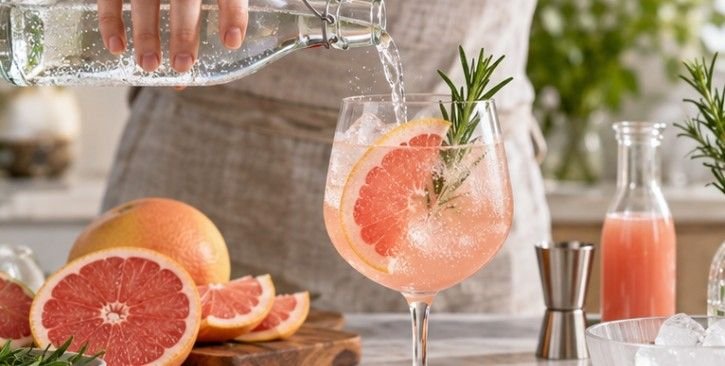
Grapefruit-Rosemary Spritz
Combine 2 ounces grapefruit juice, 1/2 ounce lemon juice, 1/4 ounce rosemary syrup, and 2 ounces chilled green tea over ice. Top with 2 to 3 ounces seltzer and garnish with grapefruit peel.
Tea provides dryness, grapefruit adds gentle bitterness, and rosemary supplies aroma. If it feels thin, strengthen the tea before adding more syrup.
Blackberry-Basil Shrub Mule
Muddle four blackberries with two basil leaves. Add 3/4 ounce lime juice, 1/2 ounce berry shrub, and 2 ounces strong chilled ginger tea. Shake with ice, strain, and top with seltzer.
Vinegar gives fruit a sharper edge, while ginger adds the warm bite often missing from zero-proof drinks.
Cucumber-Tarragon Collins
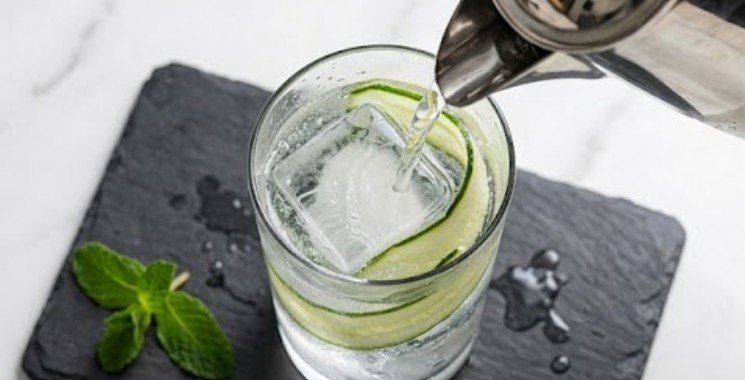
Shake 2 ounces cucumber juice, 3/4 ounce lemon juice, 1/3 ounce simple syrup, and three tarragon leaves with ice. Fine-strain into a tall glass and add 3 ounces sparkling water.
Finish with cucumber and a tiny pinch of salt. It should not taste salty; the salt simply helps the herbal, acidic, and sweet notes feel integrated.
Espresso-Orange Tonic
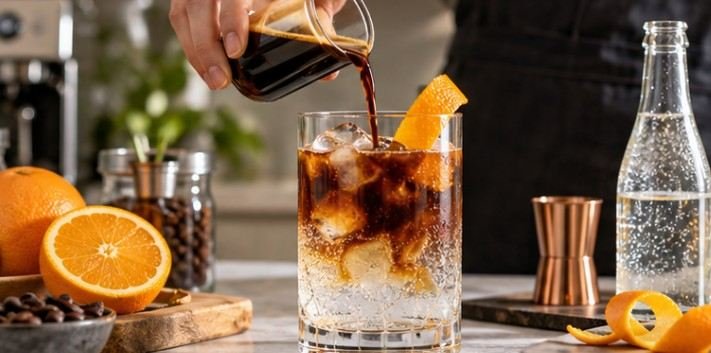
Pour 3 ounces chilled tonic over ice, then slowly add 1 1/2 ounces cooled espresso. Finish with orange peel and, if needed, 1/4 ounce vanilla or brown-sugar syrup.
The appeal is contrast: bitter coffee, citrus oils, sweetness, and carbonation. Because tonic water varies in sugar, compare labels.
Use Sugar as a Seasoning
The FDA lists 50 grams as the Daily Value for added sugars on a 2,000-calorie diet. [Harvard T.H. Chan School of Public Health] Harvard Nutrition Source on sugary drinks also identifies sugary beverages as a major source of added sugar in the U.S. diet. That does not mean every mocktail must be sugar-free; it means syrup should have a purpose.
Start with half the sweetener you think you need, then adjust after adding acid and dilution. The [American Heart Association] American Heart Association beverage guidance recommends ingredients such as fruit, herbs, unsweetened tea, and sparkling water as ways to flavor drinks without relying heavily on added sugar.
Bitterness, Heat, and Savory Notes Create Complexity
Fresh ginger, black pepper, chili, espresso, tonic, citrus peel, strong tea, and bitter zero-proof aperitifs can add structure.
Be careful with conventional aromatic bitters: many contain alcohol. If strict avoidance matters, choose a product specifically labeled alcohol-free.
Savory additions can work too. A teaspoon of pickle brine, olive brine, tomato water, or salted cucumber juice can pull a drink away from dessert territory. The logic behind a pickle martini with vermouth can inspire a zero-proof build even when the alcohol is removed.
The 60-Second Taste Test
Before garnishing, ask four questions.
Is it too sweet? Add acid, soda, or bitterness.
Is it sharp but hollow? Add a little syrup, tea, or a fuller base.
Is it aromatic enough? Express citrus peel or add fresh herbs.
Does the flavor disappear too quickly? Add tannin, ginger, spice, or a bitter element.
This works better than following a recipe blindly because fruit acidity, tea strength, and packaged mixers vary.
Where Zero-Proof Spirits Fit
Alcohol-free spirits and aperitifs are useful shortcuts to botanical complexity. A bitter aperitif topped with sparkling water and citrus is an easy polished serve. Ready-to-pour Negroni-style drinks can also work over a large cube; check sugar and alcohol labeling.
If you are reducing alcohol rather than avoiding it, low-ABV cocktails for summer are a different category and should not be treated as alcohol-free.
Frequently Asked Questions
1. What makes an alcohol-free drink taste sophisticated?
Balance. Combine acidity, bitterness, aroma, spice, tannin, carbonation, and controlled sweetness so the drink develops in stages instead of tasting like sweet juice.
2. Can I use cocktail bitters in an alcohol-free drink?
Only if the bitters are specifically alcohol-free when strict avoidance matters. Many traditional aromatic bitters contain alcohol despite being used in tiny quantities.
3. What is the easiest alcohol-free base for beginners?
Strong chilled tea. Black tea adds tannin, green tea gives freshness, and herbal teas can contribute floral, spicy, or bitter notes.
4. How do I make a mocktail less sweet without making it sour?
Reduce syrup gradually, then add tea, ginger, herbs, citrus peel, seltzer, or bitterness. Complexity should come from several elements, not extra lemon alone.
A Better Drink Starts With Balance
The most memorable sophisticated alcohol free drinks at home do not depend on expensive bottles or complicated techniques. They work because every ingredient has a purpose.
Start with a dry base, add measured acidity, sweeten lightly, introduce one source of depth, and finish with bubbles or texture. Then taste before you garnish. Once that habit becomes automatic, herbs, citrus, strong tea, and sparkling water can produce something far more interesting than a sugary stand-in for a cocktail. The goal is not to imitate alcohol perfectly; it is to make a drink worth choosing on its own.
Leave a Reply