Few things are more disappointing than waiting overnight for cold brew only to pour a glass that tastes thin and weak. When I hear someone ask Why does my cold brew taste watery, I usually start with three suspects: the coffee-to-water ratio, extraction, and dilution.
Cold water extracts coffee much more slowly than hot water, so small brewing mistakes can noticeably affect flavor. Too little coffee, an extremely coarse grind, a short refrigerator steep, poor saturation, or too much water and melting ice can all leave cold brew tasting flat. Even choosing the best milk for lattes will not fully fix a weak cold brew base, so I focus on correcting the brew itself first. Fortunately, each problem has a practical fix.
Is My Coffee-to-Water Ratio Making My Cold Brew Weak?
The first thing I check is the coffee-to-water ratio. Eyeballing scoops can easily create inconsistent results because different coffees and grind sizes occupy different amounts of space.
For a cold brew concentrate, I generally start around a 1:4 or 1:5 coffee-to-water ratio by weight. If I want ready-to-drink cold brew, I usually begin closer to 1:8 to 1:10 and adjust from there.
A digital kitchen weighing scale makes this much easier. Measuring by weight gives me a repeatable recipe, while cups and tablespoons can lead to an unexpectedly weak brew.
I also make sure I know which style I am making. Concentrate is intentionally strong and designed for dilution. Ready-to-drink cold brew starts with more water and normally needs little or no additional dilution.
Can Grinding Coffee Too Coarse Make Cold Brew Watery?
Cold brew usually works best with a coarse grind, but there is a difference between coarse and excessively coarse.
If the grounds look like rough gravel, the water has less surface area available for extraction. That can leave the brew thin even after many hours.
I prefer grounds closer to coarse sea salt. If my cold brew is consistently weak, I move the grinder slightly finer rather than immediately adding more brewing time.
I do not go too fine, however. Fine grounds can create excessive sediment, clog filters, and produce muddy or overly harsh flavors. The goal is a consistent coarse grind that allows steady extraction.
Does Cold Brew Taste Weak Because It Is Under-Extracted?
Under-extraction is another common reason cold brew lacks body.
Cold water pulls soluble compounds from coffee slowly, and brewing temperature matters. If I brew on the counter, 12 to 18 hours can be a useful starting range for many recipes. If I brew entirely in a cold refrigerator, extraction can take longer, so I may extend the steep closer to 18 to 24 hours depending on the grind and ratio.
I judge the result by taste rather than the clock alone. Once the coffee has the strength and body I want, I can also experiment with the best milk for lattes if I plan to turn the finished cold brew into a creamier milk-based drink.
How Can I Tell If Cold Brew Is Under-Extracted?
Weakness by itself does not always mean under-extraction.
If the coffee tastes watery but otherwise balanced, simple dilution may be the problem. If it tastes thin, sour, grassy, sharp, or hollow, I am more likely dealing with incomplete extraction.
In that situation, I may steep longer, grind slightly finer, improve saturation, or use a stronger coffee-to-water ratio.
Can Poor Saturation Cause Weak Cold Brew?
Yes. Dry pockets inside the coffee bed can prevent water from extracting evenly.
When I add water, I make sure all the grounds become wet. I gently stir the mixture at the beginning or press floating grounds beneath the surface.
For a refrigerated batch, a light stir during brewing can sometimes help if the coffee is clearly clumping or floating, but I avoid aggressive or repeated agitation because it can increase sediment.
A wide brewing container also gives the grounds more room to contact water evenly.
Am I Diluting My Cold Brew Concentrate Too Much?

Sometimes the brew itself is perfectly fine, but I weaken it while serving.
A 1:1 concentrate-to-water ratio is common, but it is not a rule. Some concentrates taste much better with less dilution.
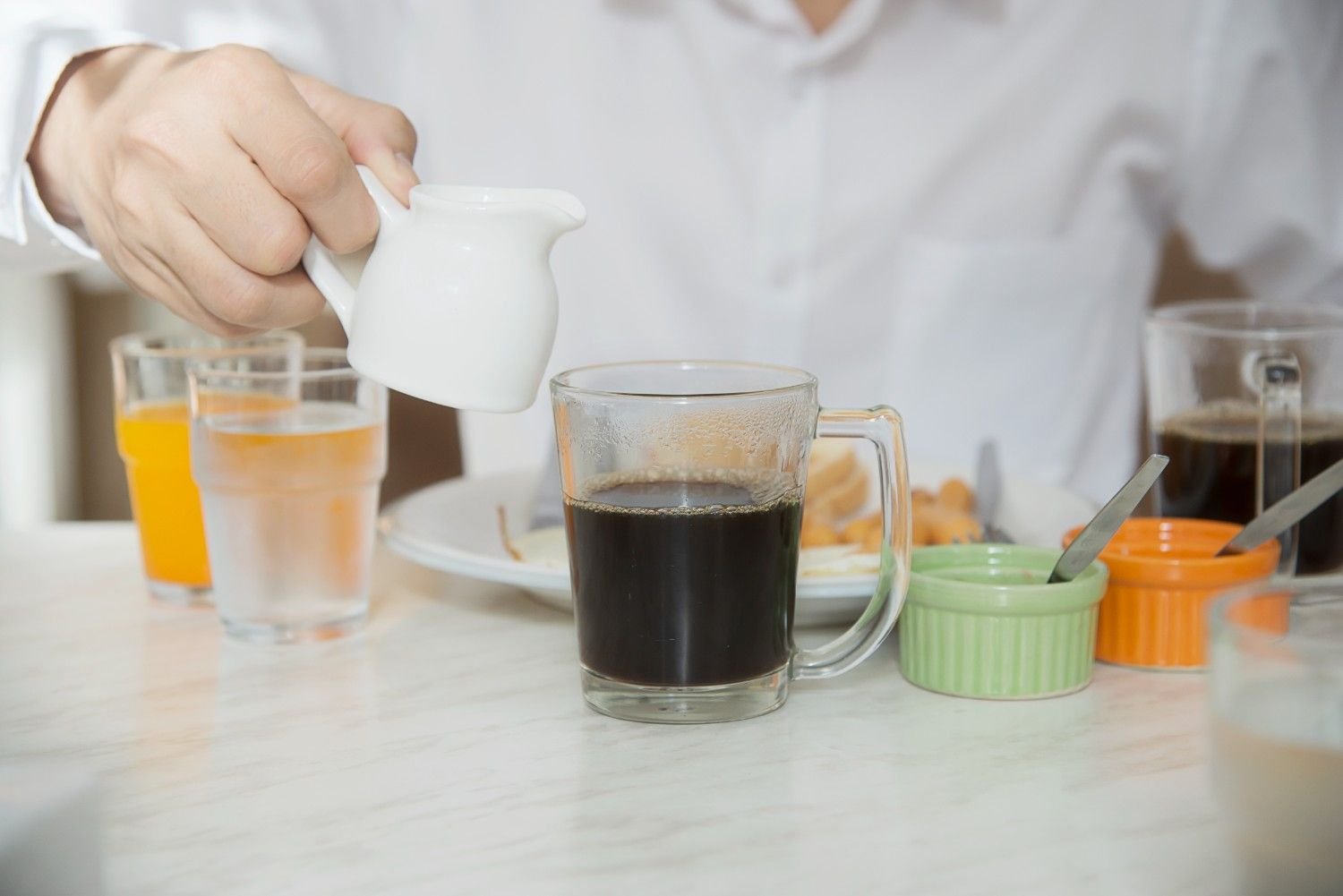
I prefer to add water or milk gradually. I pour the concentrate, add a small amount of liquid, taste it, and continue only if needed.
This is especially important with milk-based drinks because milk contributes its own water while also softening the perceived intensity of the coffee.
Why Does My Cold Brew Become Watery After I Add Ice?
If my first sip tastes strong but the drink becomes weak halfway through, ice is usually responsible.
Small cubes and crushed ice melt quickly, especially during warm US summers. Instead of filling the glass with ice to chill warm coffee, I refrigerate the cold brew first and use fewer, larger cubes.
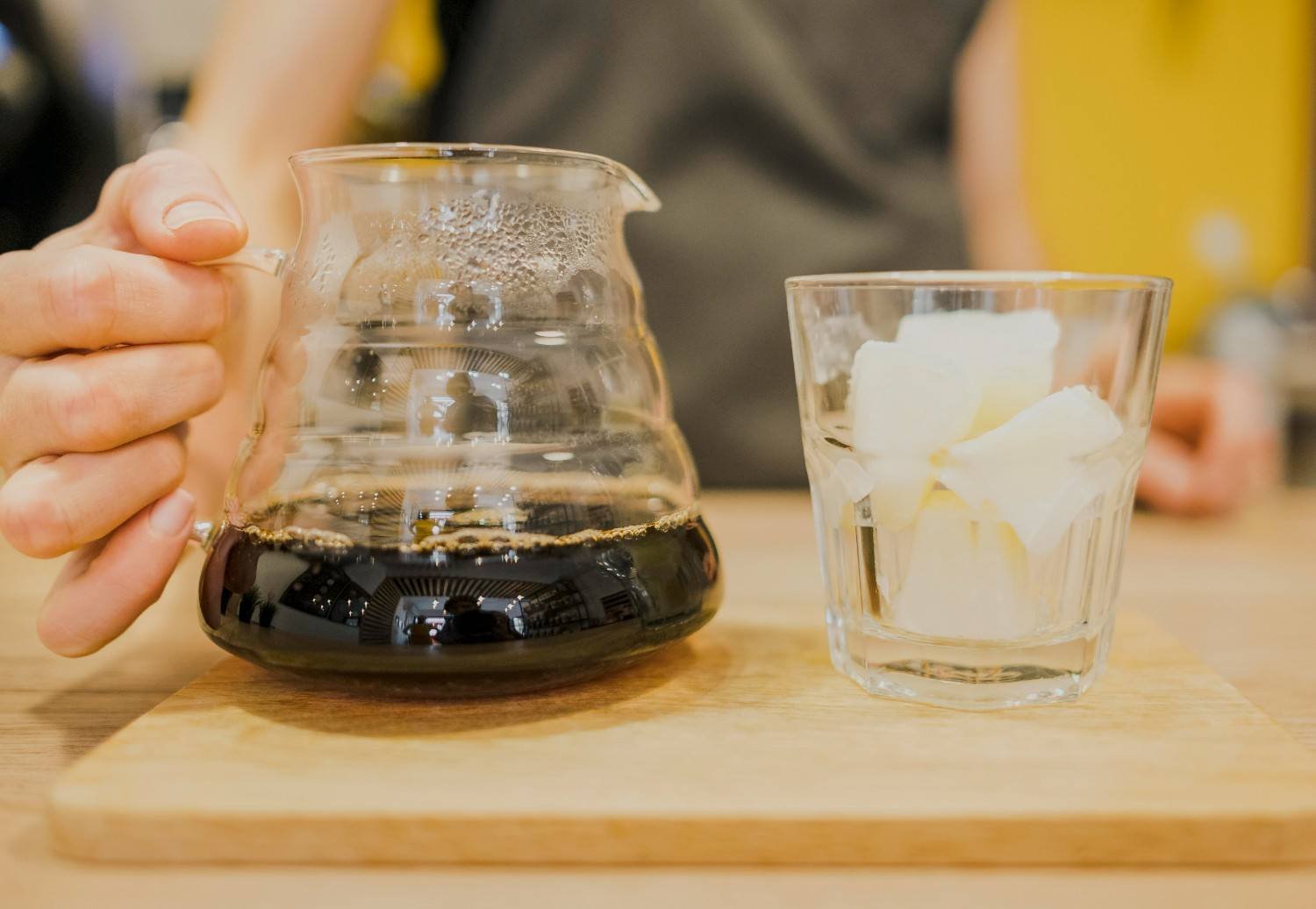
Coffee ice cubes work even better. I freeze leftover cold brew in an ice tray and use those cubes in the next glass. As they melt, they maintain the coffee flavor rather than watering it down.
Can Water Quality Change the Flavor of Cold Brew?
Because cold brew is mostly water, water quality can make a noticeable difference.
Strong chlorine flavors or unusual mineral levels in tap water can leave coffee tasting flat or unpleasant. If my tap water does not taste good by itself, I normally use filtered water.
I also avoid relying on distilled water for everyday brewing. Coffee extraction benefits from some mineral content, and extremely low-mineral water can produce a cup that tastes dull.
Good brewing water will not fix an incorrect ratio, but it can make an otherwise solid recipe taste cleaner and fuller.
How Can I Fix Watery Cold Brew I Already Made?
I rarely throw out a weak batch.
If the problem is dilution, I simply serve it with less water, milk, and ice. I can also mix the weak brew with a stronger fresh batch.
Another option is turning the coffee into ice cubes for future iced coffee. Weak cold brew also works surprisingly well in smoothies, protein shakes, iced lattes, baking recipes, and coffee-based desserts.
If the batch clearly tastes under-extracted, I can steep a small amount of fresh coarse-ground coffee in part of the finished brew for several additional hours. It will not perfectly reproduce a properly brewed batch, but it can add more body and flavor.
What Is the Best Cold Brew Ratio for Strong Coffee?
There is no single perfect ratio for every coffee.
For concentrate, I typically begin around 1:4 or 1:5 by weight. For a ready-to-drink batch, I start around 1:8 to 1:10.
Roast level, bean origin, grind size, brewing temperature, steep time, and personal preference all influence the final cup. I treat ratios as starting points and adjust one variable at a time.
That approach helps me identify what actually improved the recipe instead of changing everything at once.
FAQs About Weak and Watery Cold Brew
1. Why is my cold brew weak after 24 hours?
If cold brew remains weak after 24 hours, I check the ratio and grind before extending the brewing time. Too much water or extremely coarse grounds can produce weak coffee even during a long steep.
2. Should I steep cold brew at room temperature or in the refrigerator?
Both methods can work. Room-temperature brewing generally extracts faster, while refrigerator brewing may require more time. I adjust the steep based on taste, grind size, and coffee-to-water ratio rather than relying on one universal number.
3. Can I steep cold brew for too long?
Yes. A very long steep can eventually produce dull, woody, bitter, or overly heavy flavors. I normally start tasting the brew within the expected extraction window and stop once the flavor is balanced.
4. Why does my cold brew taste sour and thin?
Sour, thin cold brew often suggests under-extraction. I would try a slightly finer grind, a longer steep, better initial saturation, or a stronger coffee-to-water ratio.
How Do I Keep Cold Brew From Tasting Thin Next Time?
For consistent cold brew, I weigh the coffee and water, use an evenly coarse grind, fully saturate the grounds, allow enough extraction time, and chill the finished drink before serving.
I also taste the concentrate before adding anything to it. If it already tastes weak, extra water or milk will only make the problem worse.
Once I control ratio, grind, steeping temperature, saturation, water quality, and serving dilution, I rarely have to wonder why does my cold brew taste watery. A few measured adjustments usually turn a disappointing batch into a richer, smoother cup.
Leave a Reply