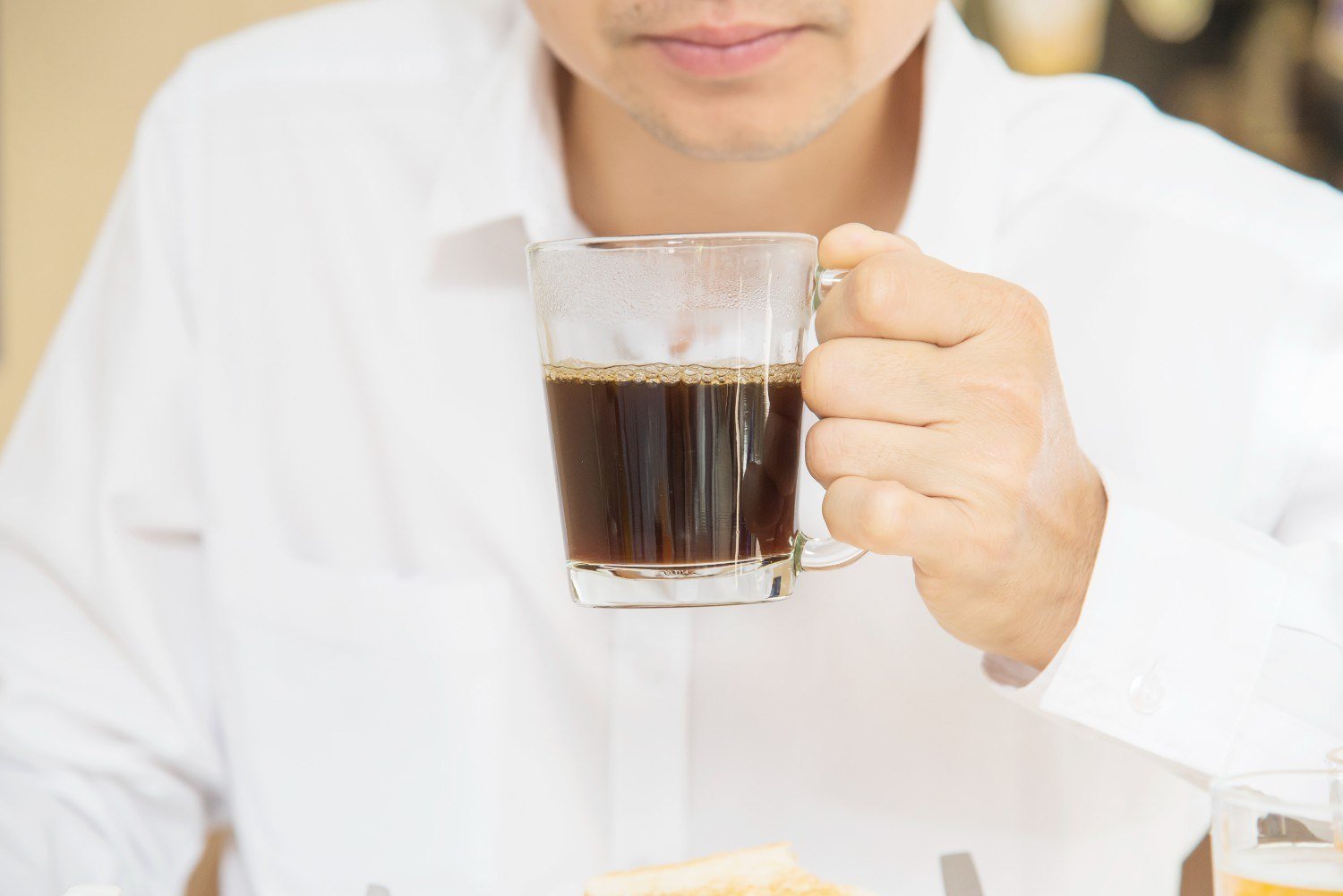
A batch of cold brew can look perfect in the pitcher and still deliver an unexpectedly harsh first sip. I have found that bitterness usually starts with small brewing decisions rather than one major mistake. When I wonder why my cold brew tastes bitter, I check how finely I ground the beans, how long they steeped, the brewing temperature, the coffee-to-water ratio, and even how well I filtered the finished drink.
Cold brew is often associated with a smooth, mellow flavor, but cold water does not eliminate extraction problems. Fine coffee particles, an overly long steep, very dark beans, stale coffee, warm brewing conditions, or leftover sediment can all push the flavor in the wrong direction.
A strong concentrate can also taste bitter when the real solution is simply adding water or milk. Once I identify which issue is responsible, getting back to a balanced cup is usually straightforward.
Why Does Cold Brew Become Bitter During Brewing?
Cold water extracts coffee more slowly than hot water, which is one reason cold brew often tastes smoother than traditional hot coffee. However, slower extraction does not mean unlimited extraction.
The longer coffee grounds remain in contact with water, the more soluble compounds move into the brew. When the process passes the flavor balance I want, bitterness and astringency can become more noticeable.
Temperature also matters. Cold brew left at room temperature extracts faster than coffee steeped in the refrigerator. That means I pay closer attention to timing when brewing on the counter.
Am I Steeping My Cold Brew Too Long?
Over-steeping is one of the first things I check.
For most batches, I start around 12 to 16 hours. Some recipes work well closer to 18 hours, particularly when brewing in the refrigerator, but I avoid assuming that 24 hours will automatically produce better coffee.
If my cold brew tastes woody, dry, or aggressively bitter, I shorten the next batch by two or three hours. Room-temperature brewing usually needs more careful timing because warmer water speeds extraction compared with refrigerated brewing.
Is My Cold Brew Grind Size Too Fine?
Fine grounds expose more coffee surface area to water. This speeds extraction and creates more tiny particles, or fines, that can pass through a filter.
For cold brew, I prefer a coarse grind with a texture similar to raw sugar, coarse sea salt, or rough breadcrumbs. A burr grinder usually gives me more consistent particles than a blade grinder, which can produce a mix of large pieces and powdery coffee dust. Grind size matters just as much as choosing the best milk for lattes when I want more control over the final taste and texture of a coffee drink.
If I see thick sediment at the bottom of my cold brew, grind consistency is one of the first things I change.
Is My Cold Brew Bitter or Simply Too Concentrated?
This is an important distinction because cold brew concentrate is supposed to taste intense.
A ratio around 1:4 or 1:5 coffee to water can produce a strong concentrate designed to be diluted later. For a ready-to-drink batch, ratios closer to 1:8 to 1:10 may produce a more approachable cup, although the ideal ratio depends on the beans, grind, and personal taste.
When a batch seems bitter, I pour a small amount into a glass and dilute it with cold water. If the harsh flavor disappears, concentration may have been the issue rather than severe over-extraction.
I can also dilute concentrate with dairy milk, oat milk, or another milk alternative depending on how I plan to serve it.
Can Dark or Stale Coffee Beans Make Cold Brew Bitter?
Bean choice matters just as much as brewing technique.
Very dark roast coffee naturally contains stronger roasted, smoky, and sometimes bitter flavors. Cold brewing may soften some sharp notes, but it cannot remove flavors already created during roasting.
When I want a naturally sweeter cold brew, I usually choose fresh medium or medium-dark beans with chocolate, caramel, nutty, or brown-sugar tasting notes. Lighter roasts can also work, although they may produce brighter, more fruit-forward flavors.
Stale or old pre-ground coffee can taste flat, woody, and harsh. I get better results when I store whole beans in an airtight container and grind them close to brewing.
Can Warm Water or Poor Water Quality Cause Bitter Cold Brew?

Although cold brew does not require ice-cold water throughout the entire process, excessively warm conditions can speed extraction. That matters most when the coffee already has a fine grind or a long steep time.
Water quality also changes flavor. Since water makes up most of the finished drink, heavily chlorinated or unpleasant-tasting tap water can make the coffee taste worse.
I prefer clean, good-tasting filtered water. I also avoid assuming distilled water is automatically ideal because some mineral content helps coffee extraction.
Can Coffee Sediment Keep Making Cold Brew Taste Harsh?
Tiny coffee particles can remain in the brew even after I remove the main grounds. These fines can make cold brew muddy, gritty, or unpleasantly astringent.
I often use a second filtration step if the first filter lets too much sediment through. A paper coffee filter can remove fine silt and some coffee oils, producing a cleaner cup than a coarse mesh strainer alone.
I also avoid leaving finished coffee sitting on spent grounds once the intended brewing time ends.
Can Dirty Brewing Equipment Make Cold Brew Taste Bitter?
Old coffee oils can oxidize and create stale flavors. If a cold brew recipe that usually tastes good suddenly becomes unpleasant, I inspect the equipment.
I thoroughly clean jars, reusable filters, grinder components, lids, seals, and brewing containers. Mesh filters deserve special attention because fine coffee residue can collect inside them.
Fresh beans cannot fully compensate for equipment coated with old coffee oils.
How Can I Fix Bitter Cold Brew I Already Made?
I usually try to rescue the batch before throwing it away.
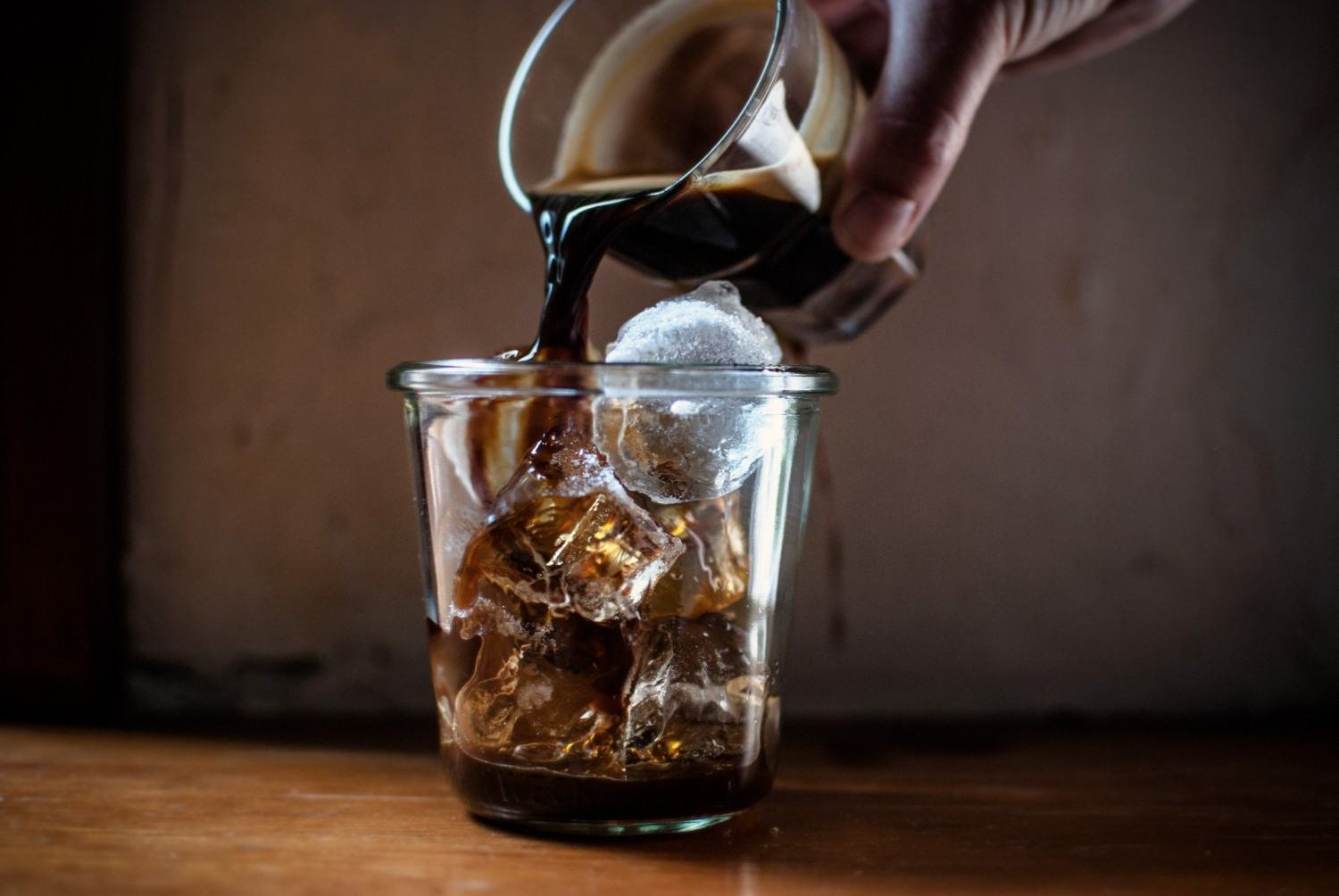
My first step is dilution. I gradually add cold water and taste until the flavor becomes balanced. Milk can soften bitterness and increase body, while ice naturally reduces concentration as it melts.
A small amount of simple syrup can also balance bitterness when I want a sweetened drink. However, if the coffee tastes strongly burnt, stale, woody, or extremely astringent, adding sugar may only cover the problem rather than fix it.
How Do I Prevent Bitter Cold Brew Next Time?
When troubleshooting a bitter batch, I change only one or two variables at a time. Otherwise, I cannot tell which adjustment actually helped.
I start with fresh beans, a coarse grind, filtered water, and clean brewing equipment. I aim for roughly 12 to 16 hours as a starting steep time, strain the coffee thoroughly, and decide beforehand whether I am making concentrate or ready-to-drink cold brew. Since coffee can also contribute compounds people associate with the nutrition source of coffee, I prefer keeping the brewing process clean and controlled rather than masking poor extraction with extra sugar or heavy add-ins.
I also refrigerate finished cold brew in a clean, airtight container. Oxidation and long storage can gradually make coffee taste dull or stale even when the initial extraction was good.
FAQs About Bitter Cold Brew
1. Why is my cold brew bitter even after only 12 hours?
A shorter steep does not guarantee smooth coffee. The grind may be too fine, the brewing environment may be warm, the beans may be heavily roasted, or the coffee-to-water ratio may be too concentrated.
2. Why is my cold brew bitter and weak at the same time?
This can happen when fine particles over-extract while the overall coffee-to-water ratio remains too diluted. I would try a coarser grind and check the recipe before extending the steep time.
3. Why does my cold brew taste burnt?
A burnt taste often comes from very dark roasted beans rather than cold brewing itself. Switching to a medium roast can help determine whether the roast profile is responsible.
4. Does cold brew become more bitter in the refrigerator?
Its flavor can change during storage because of oxidation and gradual quality loss. I keep strained cold brew refrigerated in a clean, sealed container and make quantities I can drink while they still taste fresh.
Final Thoughts
The answer to why my cold brew tastes bitter is not always simply that I brewed it for too long. Steep time matters, but grind size, water temperature, concentration, roast level, bean freshness, filtration, water quality, equipment cleanliness, and the effect of time and roasting temperature can all influence the final flavor.
I get the most consistent results by using coarse freshly ground coffee, filtered water, a controlled 12-to-16-hour starting window, proper filtration, and a ratio suited to whether I want concentrate or ready-to-drink coffee. Changing one variable at a time also makes it much easier to find the real cause and produce a smoother, sweeter cup the next time.
Leave a Reply