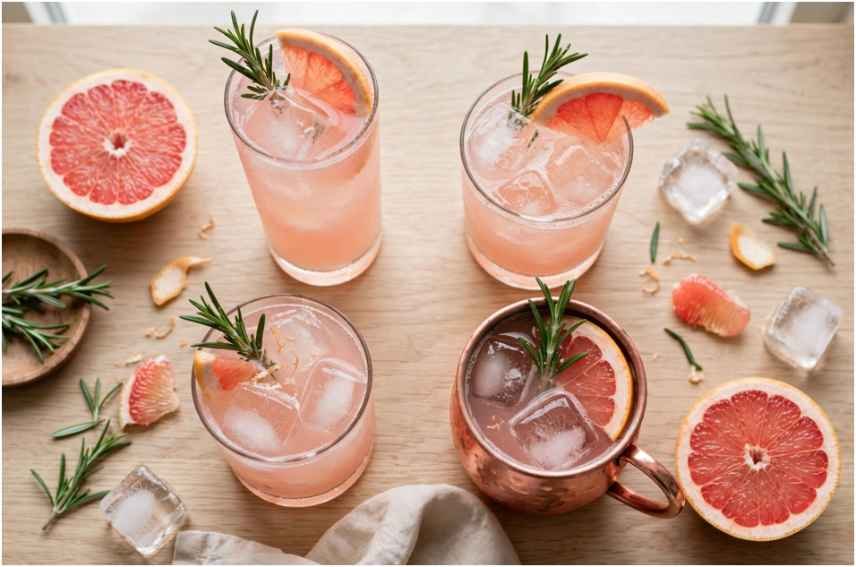
Most alcohol-free drinks fail because they rely on sugar instead of botanical structure. When crafting grapefruit bitter mocktail recipes, my objective is to replace the burn of ethanol with genuine depth, balancing citrus acidity against herbal and botanical astringency.
Grapefruit provides an ideal non-alcoholic canvas because it carries natural astringency alongside sharp acidity. By layering zero-proof bitters, housemade syrups, and carbonation, you can produce complex bar-grade drinks right on your kitchen counter.
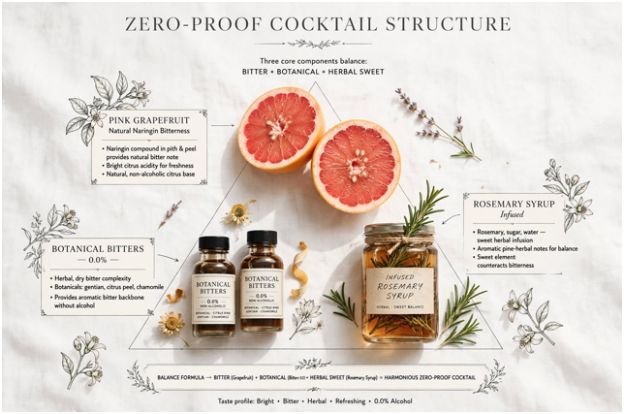
[Natural Naringin Bitterness] (Fresh Grapefruit)
+
[Botanical Tannins & Spices] (0.0% Bitters / Quinine)
+
[Aromatic Herb/Spice Body] (Infused Syrups)
=
Bar-Grade Zero-Proof Structure (Without Ethanol)
The Science of Bitter Citrus: Why Most Mocktails Taste Like Soda
Traditional cocktails depend on alcohol to carry aroma and provide mouthfeel. When you remove spirits, drinks often collapse into thin fruit juices or cloying sodas.
Grapefruit naturally combats this problem through naringin, a bioflavonoid responsible for the fruit’s characteristic sharp finish. It acts on human taste receptors differently than table sugar, lingering cleanly on the back of the palate.
Managing Natural Naringin and Tartness
To preserve real citrus character, always hand-press fresh fruit. Bottled grapefruit juice oxidizes rapidly and relies on heat pasteurization, which flattens the fragile aromatic oils (nootkatone) found in the skin.
Rinse whole fruit thoroughly using safe handling techniques aligned with the FDA Food Code retail guidelines. Cold-press the fruit just before building your drink, leaving the white pith out of your press to keep the liquid crisp rather than abrasive.
4 Tested Grapefruit Bitter Mocktail Recipes
The following recipes showcase how varied flavor partners—herbs, quinine, fiery ginger, and sea salt—can highlight bitter grapefruit.
Grapefruit and Rosemary Herb Spritz
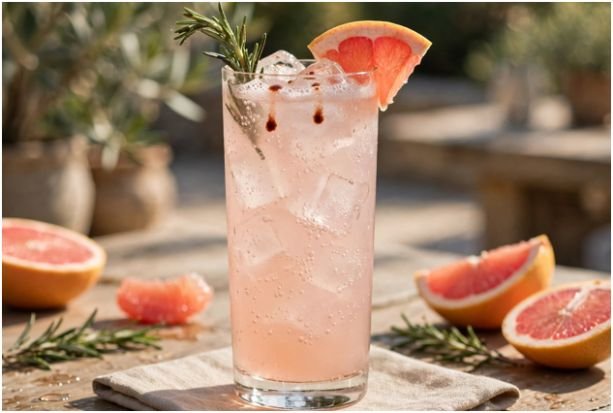
This drink delivers an herbaceous, aromatic profile suited for warm afternoons.
Combine 120 ml of fresh pink grapefruit juice, 15 ml of fresh lime juice, and 15 ml of rosemary simple syrup in a shaker with ice. Shake hard for twelve seconds to chill and aerate.
Double strain into a highball glass over fresh ice. Top with chilled club soda and three dashes of non-alcoholic aromatic or citrus bitters. Garnish with a lightly bruised rosemary sprig and a pink grapefruit wedge.
If you enjoy green herbal notes, you can also substitute the rosemary base with fresh mint simple syrup to introduce a cooling menthol contrast.
Spiced Quinine Grapefruit Tonic
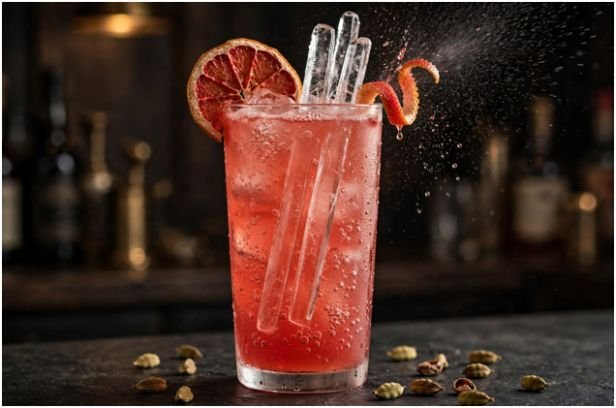
A dry, palate-cleansing aperitif designed around the sharp bitterness of pure quinine.
- 90 ml fresh ruby red grapefruit juice
- 15 ml fresh lime juice
- 3–4 dashes non-alcoholic cardamom or orange bitters
- 120 ml premium Indian tonic water
- Garnish: Dehydrated grapefruit wheel or pared grapefruit twist
Fill a chilled Collins glass with dense ice spears. Pour the grapefruit juice, lime juice, and cardamom bitters directly over the ice. Top slowly with the premium tonic water. Stir once from the bottom using a long barspoon to integrate without driving out the carbonation. Express citrus oils from your garnish over the surface of the drink before serving.
Fiery Bitter Ruby Mule
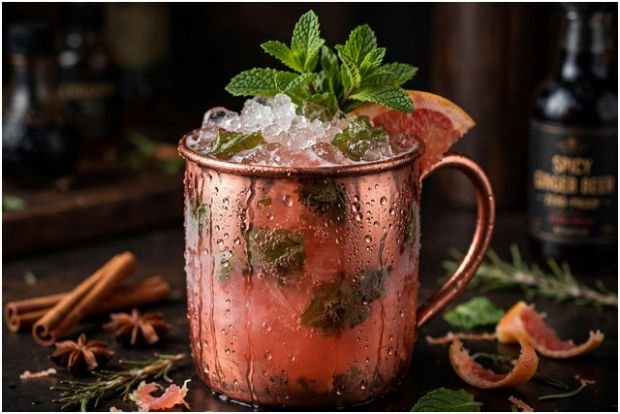
This variation builds a bridge between sweet citrus, deep woodsy aromatics, and ginger heat.
Gently press four fresh mint leaves in the bottom of a copper mug to release their aromatic oils. Add 90 ml of pink grapefruit juice, 10 ml of simple syrup, and 3 dashes of non-alcoholic Angostura-style bitters. For an extra kick that complements bitter citrus, swap traditional cane syrup for a rich ginger simple syrup.
Fill the mug completely with crushed ice. Pour cold, spicy ginger beer to the brim and churn the glass gently with a barspoon. Crown with a bushy mint sprig slapped against your wrist to release scent compounds.
Salty Bitter Greyhound on the Rocks
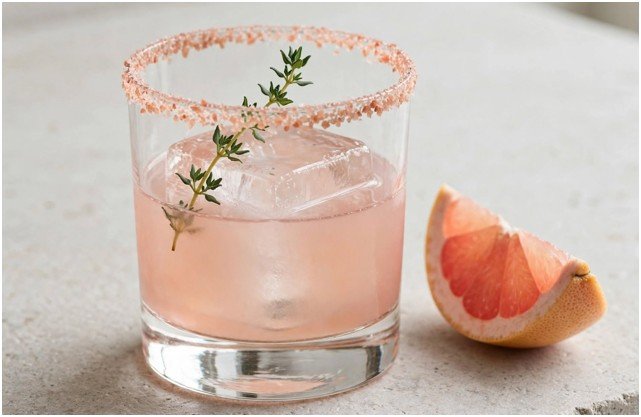
A minimalist drink honoring the classic cocktail, focusing purely on acid balance and mineral salinity.
Moisten the exterior edge of an Old Fashioned glass with a grapefruit wedge and roll only the outer rim in coarse pink Himalayan salt. In your shaker, combine 120 ml of fresh grapefruit juice, 10 ml of raw agave nectar, and 4 dashes of non-alcoholic grapefruit bitters.
Add cubed ice and shake vigorously. Strain the liquid over a single clear ice block inside your prepared glass. Float a fresh sprig of garden thyme on top. The salt suppresses perceived sweetness and elevates citrus brightness, giving each sip a crisp finish.
Bar Tool Essentials and Botanical Bitters Selection
Traditional bitters often carry an alcohol by volume (ABV) between 35% and 45%. Even though a few dashes contribute a negligible amount of alcohol, those seeking absolute 0.0% purity should check ingredient labels carefully.
Under FDA CPG Sec 510.400 labeling definitions, true “alcohol-free” products must contain no detectable alcohol. Look for glycerin-based or vinegar-extracted craft bitters from dedicated zero-proof producers.
| Recipe Style | Primary Bitters Pairing | Recommended Glassware | Carbonation Source |
| Rosemary Spritz | Citrus or Aromatic (0.0% ABV) | Highball | Unflavored club soda |
| Spiced Tonic | Cardamom or Orange (0.0% ABV) | Collins glass | Quinine tonic water |
| Ruby Mule | Spiced / Woodsy (0.0% ABV) | Copper Mug | Fermented ginger beer |
| Bitter Greyhound | Grapefruit peel or Celery (0.0% ABV) | Rocks glass | None (Still, on ice) |
Quality ice also matters. Small, hollow machine ice melts too fast, watering down your citrus balance within minutes. Invest in large silicone sphere or cube molds to control dilution.
Frequently Asked Questions About Bitter Grapefruit Drinks
1. Can I drink grapefruit mocktails while taking prescription medications?
Grapefruit interferes with the CYP3A4 enzyme, so check with your physician before drinking fresh grapefruit juice alongside medications like statins or blood pressure drugs.
2. How do I make non-alcoholic bitters taste punchy rather than watery?
Select glycerin-based bitters with high botanical extracts such as gentian root, wormwood, and cinchona bark to mimic traditional cocktail bitterness.
3. What is the best grapefruit variety for zero-proof mixing?
Ruby Red and Star Ruby deliver the optimal balance of bright acidity, pleasant naringin bitterness, and natural sweetness without tasting harsh.
4. How long does freshly pressed grapefruit juice stay stable in the fridge?
Freshly squeezed grapefruit juice tastes best within 24 hours before natural enzyme degradation dulls its crisp, aromatic profile.
Shake Things Up at Your Home Bar
Ditching alcohol doesn’t mean settling for flat fruit punch. Keep a steady stock of fresh citrus, brew a simple batch of herb-infused syrup, and let botanical bitters do the heavy lifting in your glass. Pull out your shaker tin, pick one of these four recipes, and craft your first pour tonight.
Leave a Reply