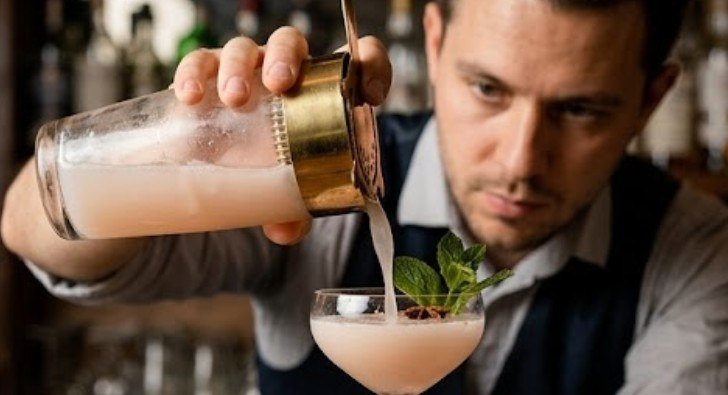
A serious zero-proof drink should not taste like juice with bubbles. The difference is structure: acidity wakes up the palate, bitterness controls sweetness, herbs create aroma, and texture gives the drink a finish worth noticing. That is why the best elevated mocktails for non-drinkers borrow the logic of cocktails rather than simply deleting the alcohol.
The CDC says drinking less alcohol lowers health risks and reports that excessive alcohol use is associated with about 178,000 U.S. deaths each year, based on 2016–2021 data. For hosts and home bartenders, giving non-drinkers an intentional option is part of building a better drinks menu.
What Makes a Mocktail Feel Elevated?
The simplest test is whether the drink changes as you sip it. A flat mocktail is often sweet from start to finish. A sophisticated one opens with aroma, moves through acid or fruit, develops bitterness or spice, and finishes dry, herbal, tannic, or lightly savory.
Tea is especially useful because it brings tannin and body without spirits. Assam adds a malty backbone; green tea brings freshness; hibiscus contributes tartness and color. Harvard’s Nutrition Source notes that traditional tea contains caffeine, while herbal teas are naturally caffeine-free.
| Layer | What it contributes | Easy options |
| Acid | Brightness | Lemon, lime, verjus, shrub |
| Aroma | First impression | Mint, basil, citrus peel |
| Bitterness | Cocktail-like edge | Tonic, bitter aperitif, strong tea |
| Body | Weight | Tea, puree, aquafaba, syrup |
| Finish | Complexity | Pepper, cardamom, ginger, saline |
A practical formula is two parts flavorful base, one part acidic ingredient, half a part sweetener, then enough soda or tonic to open the drink. Taste before adding more sugar; weak mocktails often need contrast, not sweetness.
Four Elevated Mocktails Worth Making at Home
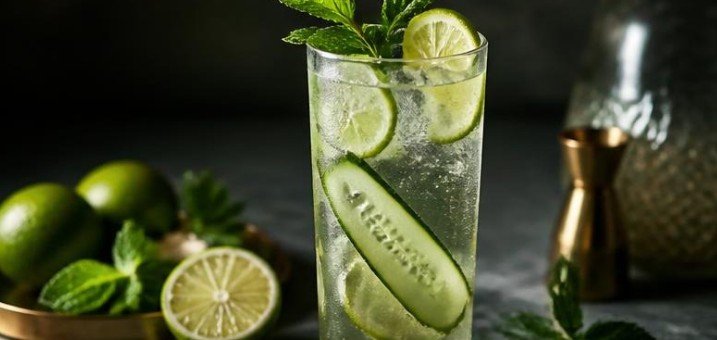
Garden Cucumber Mint Cooler
Muddle three cucumber slices with six mint leaves and 3/4 ounce lime juice. Add 1/2 ounce simple syrup and a pinch of salt, shake with ice, strain into a highball, and top with sparkling water.
The salt sharpens cucumber and softens harsh acidity without making the drink taste salty.
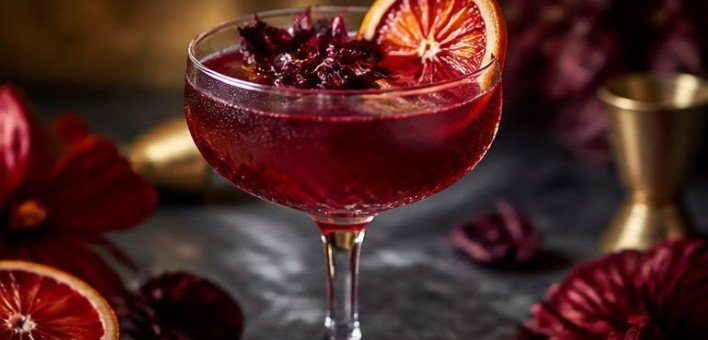
Blood Orange Cardamom Sparkler
Combine two ounces blood orange juice, 1/2 ounce lemon juice, and 1/2 ounce cardamom syrup over ice. Top with club soda and express an orange peel over the surface.
Make the syrup by gently heating equal parts sugar and water with crushed cardamom pods, then cooling and straining. Cardamom adds floral, citrusy depth.
Apple Cider Sage Spritz
Shake three ounces chilled apple cider with 1/2 ounce lemon juice and 1/2 ounce sage syrup. Strain over ice and finish with sparkling water. Clap a sage leaf before garnishing to release its aroma.
If the cider is very sweet, reduce the syrup to 1/4 ounce.
Tea-Based New York Sour Mocktail
Brew strong Assam tea and cool it. Shake three ounces tea with 3/4 ounce lemon juice, 1/2 ounce maple syrup, and one ounce pasteurized egg white or an egg-free foaming alternative. Strain over ice, then float pomegranate juice on top.
The USDA recommends pasteurized eggs or egg products for recipes in which egg remains raw or undercooked because raw shell eggs can carry Salmonella.
For smoky flavor without alcohol, borrow ideas from these smoky mezcal cocktail recipes at home and recreate smoke with charred citrus, smoked tea, or toasted spices.
How to Build Elevated Mocktails for Non-Drinkers Without a Recipe
Start with one question: “Do you want something bright, bitter, spicy, herbal, or fruity?” That prevents every non-drinker from getting the same sweet citrus soda.
Choose a backbone next. Tea works for complexity, coconut water for softness, and cranberry or pomegranate for sharper builds. Add acid in small increments, then sweetness. Finish with carbonation only after the balance works without it.
Temperature and glassware matter too. A chilled coupe, rocks glass, or highball changes how a drink feels and smells. If you do not own a shaker, this cocktail shaker vs. mason jar substitute comparison explains when a sealed jar can do the same basic job.
Ready-to-Drink Options Are Better—But Read the Label
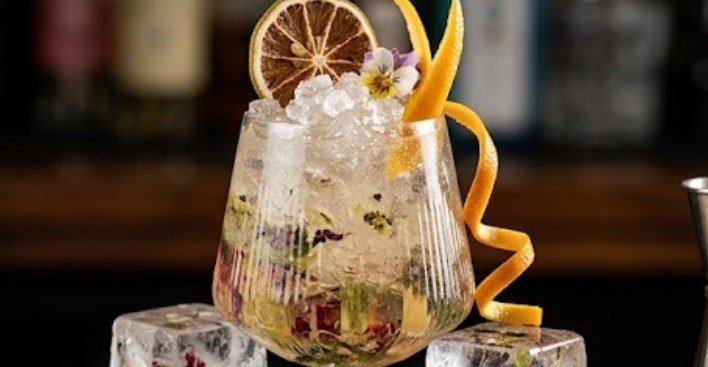
Bottled and canned zero-proof drinks increasingly use bitterness, botanicals, carbonation, and spice. Examples include St. Agrestis Phony Negroni, ISH Mojito, and kava-based social tonics such as Leilo.
One U.S. labeling detail matters. The Alcohol and Tobacco Tax and Trade Bureau says “non-alcoholic” malt beverages may contain less than 0.5% alcohol by volume, while “alcohol free” is reserved for products containing no alcohol. Anyone avoiding alcohol completely should check the actual ABV statement.
Functional ingredients deserve similar scrutiny. The National Center for Complementary and Integrative Health notes that kava products have been linked to rare but sometimes severe liver injury and may interact with sedating substances or medications. \
A 30-Second Quality Test Before You Serve
Take one sip without the garnish. If it is overwhelmingly sweet, add acid, dilution, or bitterness. If it tastes thin, add tea, puree, richer syrup, or foam. If the aroma is dull, use fresh herbs, citrus oils, or spice.
Then wait 20 seconds after swallowing. A good mocktail should leave something behind: tannin, ginger warmth, citrus oil, herbal bitterness, or a clean dry finish.
Common Mistakes That Flatten a Zero-Proof Drink
The first is replacing liquor with more juice. Spirits contribute bitterness, heat, aroma, and texture, so juice rarely replaces them one-for-one.
The second is assuming “natural” or “functional” means harmless. Botanicals can have physiological effects and medication interactions. The third is overlooking caffeine; sensitive guests may prefer rooibos, mint, or another herbal base.
Frequently Asked Questions
1. What makes elevated mocktails different from regular mocktails?
They use multiple flavor layers—acid, bitterness, aroma, texture, and a dry finish—rather than depending mostly on juice, soda, and syrup.
2. What are the best bases for elevated mocktails for non-drinkers?
Strong tea, shrubs, tart juices, coconut water, zero-proof aperitifs, and herbal infusions work well when balanced with acid and sweetness.
3. Can a non-alcoholic drink still contain alcohol?
Sometimes. U.S. labeling rules allow certain products labeled “non-alcoholic” to contain less than 0.5% ABV. Check the label if you need 0.0%.
4. How do I make a mocktail less sweet?
Add fresh citrus, unsweetened tea, tonic bitterness, a tiny pinch of salt, or more dilution. Adjust one element at a time and retaste.
The Best Zero-Proof Drinks Have a Point of View
The most memorable alcohol-free drinks do not apologize for what is missing. They decide what they want to be—bright and herbal, dark and bitter, spicy and warming, or crisp and savory—and build toward that idea.
That is the promise of elevated mocktails for non-drinkers. You do not need rare ingredients or professional bar equipment. You need contrast, thoughtful balance, and enough restraint to stop before every flavor ends up in the glass. Start with acid, aroma, bitterness, body, and finish, and the drink will feel complete on its own. A thoughtful garnish should signal the flavors inside the glass rather than disguise a weak drink.
Leave a Reply