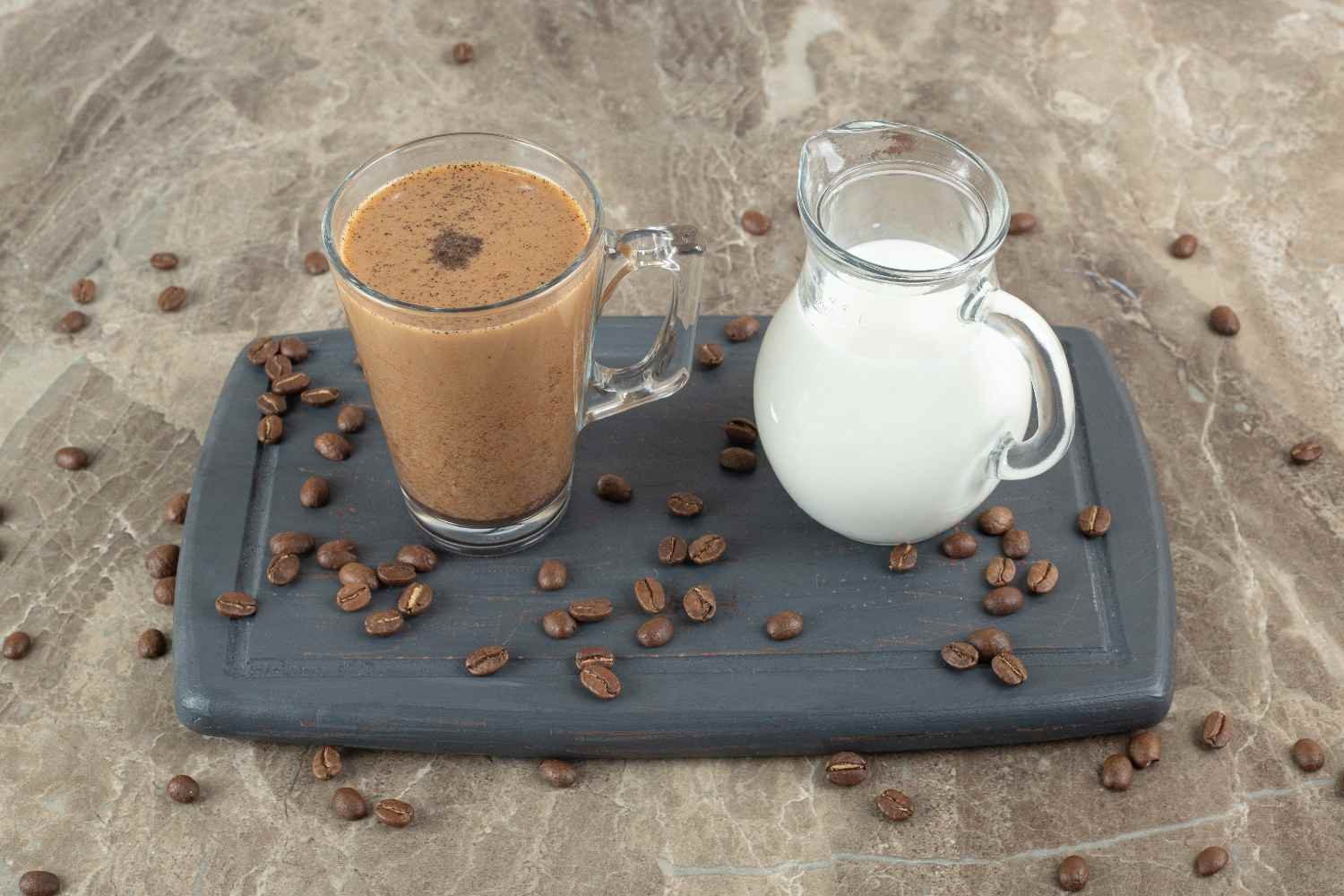
I used to think a better latte depended almost entirely on stronger espresso or a more expensive machine. But after paying closer attention to what was happening in the milk pitcher, I realized that milk can completely change the drink. The same espresso can taste rich and balanced with one milk, then thin, sharp, or overly foamy with another.
For me, choosing the best milk for lattes comes down to how well it balances creaminess, sweetness, microfoam, and espresso flavor. Whole dairy milk remains my most reliable choice for a classic café-style latte, while barista oat milk comes remarkably close when I want a plant-based option.
The real secret, however, is understanding why different milks behave so differently once heat and steam enter the equation.
What Makes Milk Good for a Latte?
Protein and fat matter most. Milk proteins help stabilize the tiny air bubbles created during steaming, while fat adds body and a smoother mouthfeel. A latte needs fine, integrated microfoam rather than a thick cap of stiff foam.
I start with cold milk because it gives me more time to introduce air and create a smooth whirlpool. A useful target is about 140°F to 150°F. Whole Latte Love and Clive Coffee recommend roughly this range for sweetness and good texture.
Is Whole Milk Best for a Creamy Latte?
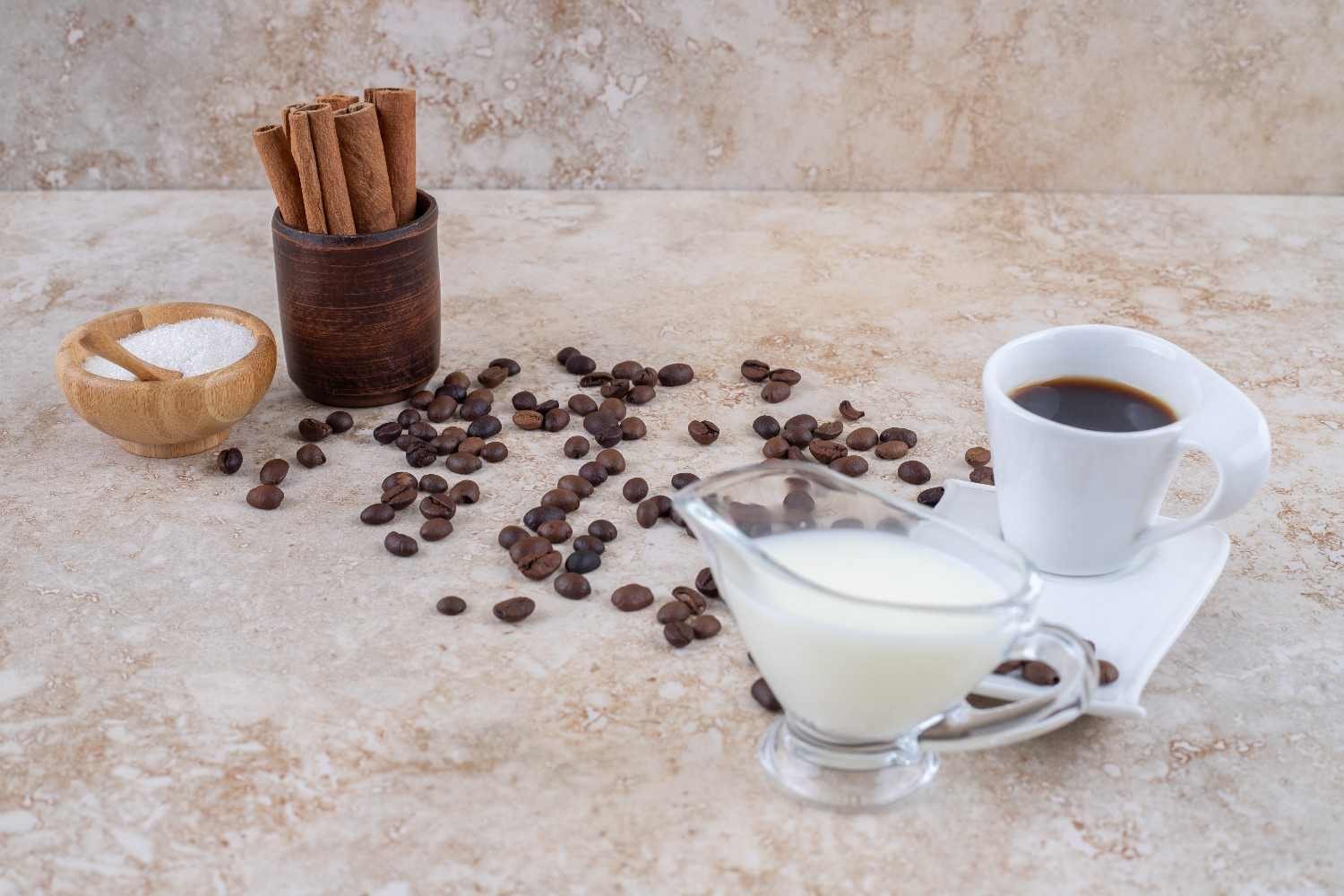
Whole milk is my most dependable choice for a traditional latte. In the United States, whole milk must contain at least 3.25% milkfat under federal standards. That fat gives the drink richness, while the protein helps create stable foam.
It is also forgiving for latte art. Properly steamed, it becomes glossy and fluid enough for hearts, tulips, and rosettas. If creaminess and easy steaming matter most, whole milk is the benchmark I use.
Is 2% Milk Good for Lattes?
Yes. I use 2% milk when I want a lighter drink without losing too much body. It froths readily and can still form fine microfoam, although the finished latte feels slightly thinner than one made with whole milk.
Can You Make a Latte With Skim Milk?
You can, but the texture changes. Skim milk contains very little fat, so it can create plenty of foam but less of the velvety mouthfeel associated with a classic latte.
I choose skim when reducing fat matters more than richness. For latte art or fuller texture, I prefer whole or 2% milk.
What Is the Best Plant-Based Milk for Lattes?
Oat milk is my first choice when I am avoiding dairy. A good barista oat milk has enough body to make the drink feel creamy, and its mild, lightly sweet flavor usually works well with espresso.
I pay attention to “barista” or “barista edition” on plant-milk cartons. Oatly Barista Edition sold in the US, for example, contains rapeseed oil and dipotassium phosphate. Oatly says the latter acts as an acidity regulator that helps prevent separation in acidic coffee.
Is Soy Milk Good for Frothing?
Soy milk is a strong option because its protein can support stable foam. Its flavor is more noticeable than oat milk, and some products can separate when exposed to too much heat or acidic espresso.
I get better results by starting cold, avoiding excessive steaming, and choosing a barista formula when possible.
Is Almond Milk Good in a Latte?
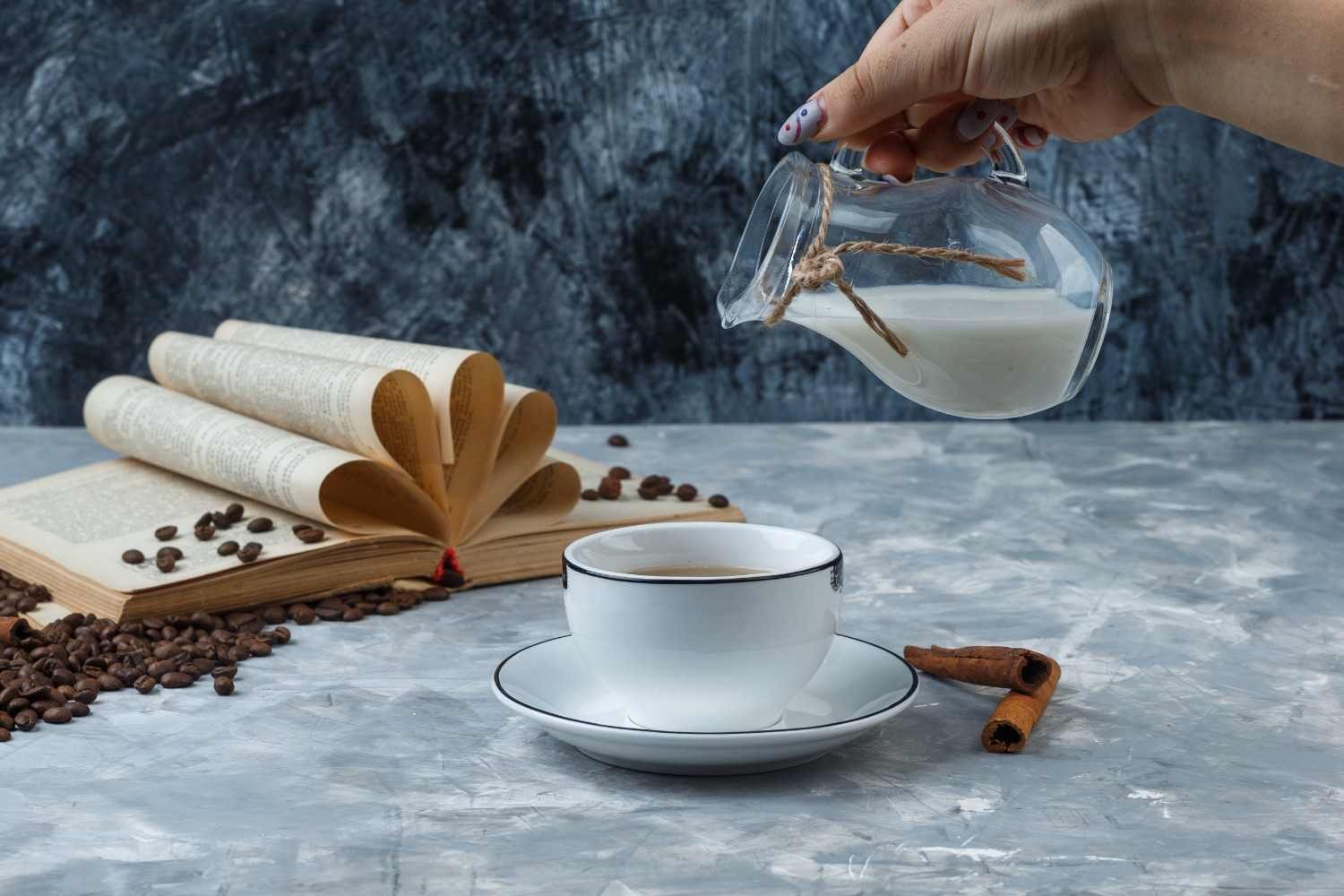
Almond milk makes a lighter latte with a distinct nutty flavor. Regular versions can feel thin and may be harder to texture consistently, so I prefer a barista-style almond milk for hot drinks.
For maximum creaminess and latte art, I usually choose oat over almond. Almond works better when I want a lighter body and toasted flavor.
What About Pea Milk and Lactose-Free Milk?
Pea-protein milk can foam better than some lower-protein plant drinks, although flavor varies by brand. Lactose-free dairy milk can still provide familiar dairy texture and foam for people who avoid lactose but consume dairy protein.
Does Barista Milk Really Make a Difference?
For plant-based lattes, it often does. Barista versions are designed with foaming, heat stability, and coffee performance in mind. Formulas vary, though, so I compare taste, foam stability, ingredients, and nutrition labels rather than assuming every carton performs the same way.
How Do I Steam Milk for Better Microfoam?
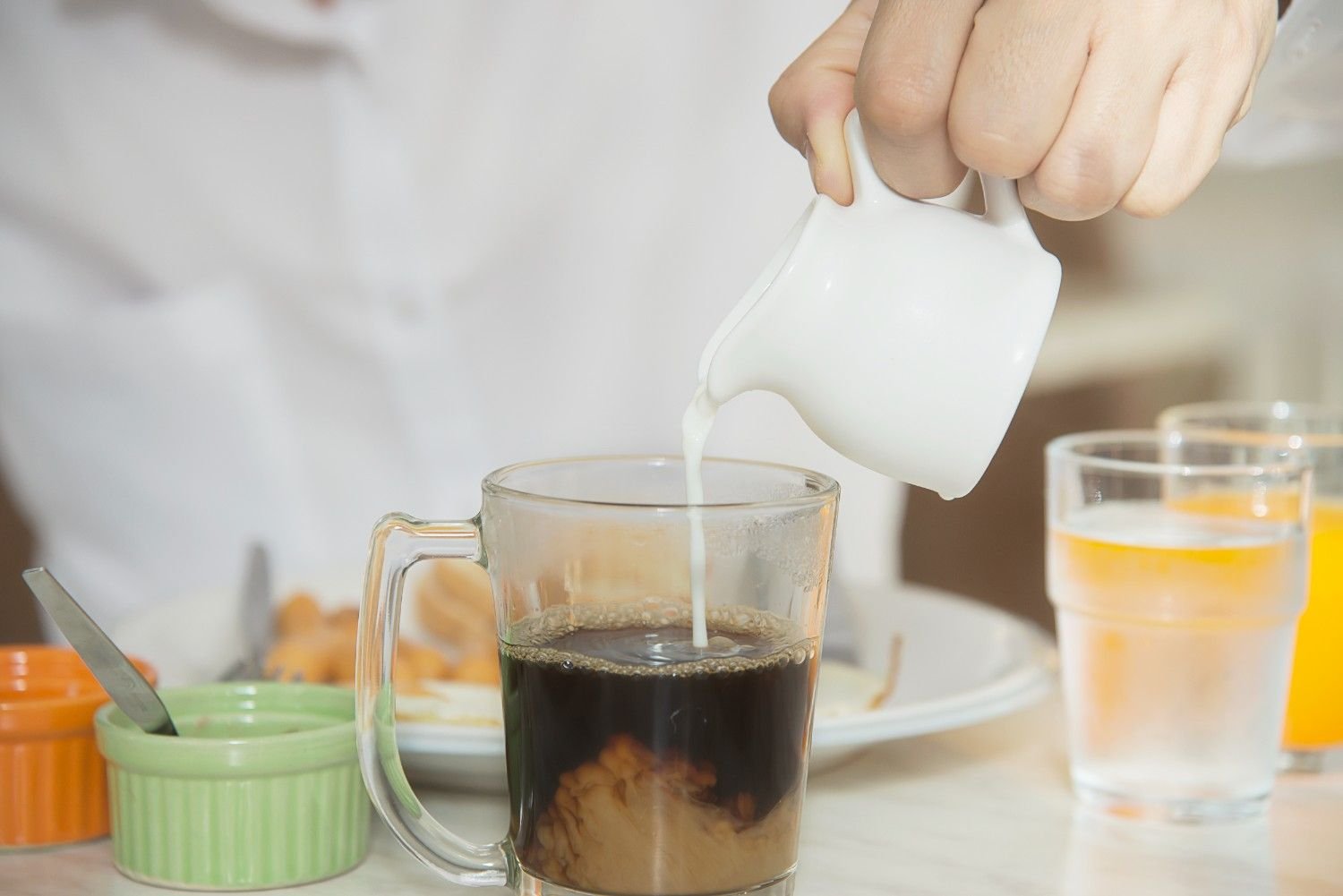
I begin with cold milk and introduce only a small amount of air near the start of steaming. Then I position the wand so the milk spins, helping larger bubbles break down into fine microfoam.
For a latte, I use less aeration than I would for a cappuccino. I stop around 140°F to 150°F, swirl the pitcher, and pour soon afterward. Starting cold gives me a longer working window, while overheating can reduce sweetness and make the milk taste scorched.
The same steaming approach is useful when testing the best non-dairy milk for coffee, especially barista-style oat, soy, or almond milk, because these alternatives can react differently to heat.
Frequently Asked Questions (FAQs)
1. What Milk Do Most Coffee Shops Use for Lattes?
Whole milk is a common default because it produces a creamy texture and consistent microfoam. Many US cafés also offer 2%, nonfat, oat, almond, soy, and other alternatives.
2. What Is the Best Milk for Lattes for Latte Art?
I recommend whole dairy milk for beginners because it is forgiving and creates glossy microfoam. Barista oat milk is my preferred dairy-free alternative.
3. Is Oat Milk Better Than Almond Milk for Lattes?
For texture, I usually prefer oat milk because it feels fuller and steams more smoothly. Almond milk works when I want a lighter body and nuttier flavor.
4. Why Does Plant Milk Separate in Coffee?
Heat and coffee acidity can destabilize some plant milks. A barista formulation, moderate steaming temperature, and careful pouring can reduce separation.
Final Takeaway
When I want a classic café-style latte, whole milk remains my first choice because it balances richness, protein, and reliable steaming performance. For a dairy-free drink, barista oat milk is the most versatile alternative I use.
Soy, almond, pea, skim, 2%, and lactose-free milk can all work depending on what I value most. I match the milk to my priorities: creaminess, nutrition, flavor, dietary needs, or latte-art performance. That approach gives me a more satisfying cup.
Leave a Reply