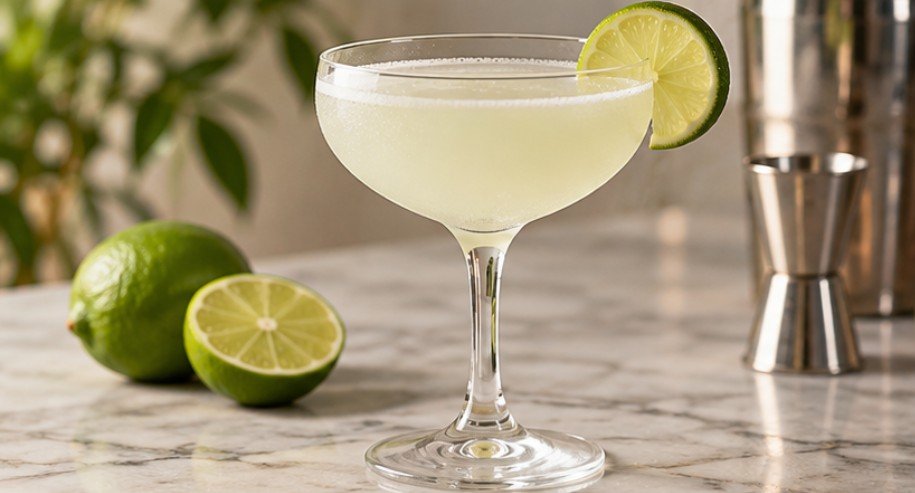
A good cocktail does not need a crowded back bar. Some of the world’s best-known drinks use only three components, making them ideal for learning proportion, temperature, dilution, and balance. For anyone searching for 3 ingredient cocktails for beginners, fewer bottles also mean fewer mistakes, less waste, and a clearer sense of why a drink tastes right—or wrong.
Several cocktails on the International Bartenders Association’s official list are built from very short ingredient lists. That makes them useful practice drinks, not merely shortcuts.
Why Three Ingredients Are Enough
Most simple cocktails follow one of three patterns: spirit plus sour plus sweet; spirit plus two modifiers; or spirit plus a carbonated mixer and citrus. Once you recognize those patterns, recipes stop feeling random.
A Daiquiri teaches sour-sweet balance. A Margarita adds orange liqueur to that framework. A Negroni teaches equal-parts mixing and bitterness. A Moscow Mule shows what carbonation contributes. A White Russian demonstrates how richness changes the perception of alcohol.
If you want to explore a more smoky, spirit-forward style, smoky mezcal cocktails offer another useful lesson in balancing a strong base with citrus, sweetness, and bitters.
Measurement matters for another reason. The National Institute on Alcohol Abuse and Alcoholism’s standard-drink guidance defines one U.S. standard drink as 0.6 fluid ounces, or 14 grams, of pure alcohol. Cocktails can contain more than one standard drink depending on the recipe and proof.
The CDC’s standard drink guidance likewise identifies 1.5 ounces of 80-proof distilled spirits as approximately one standard drink.
Five Easy 3-Ingredient Cocktails
| Cocktail | Beginner ratio | Technique | Main lesson |
| Daiquiri | 2 oz rum, 1 oz lime, ¾ oz simple syrup | Shake | Sour-sweet balance |
| Margarita | 2 oz tequila, 1 oz lime, 1 oz orange liqueur | Shake | Citrus and liqueur |
| Moscow Mule | 2 oz vodka, ½ oz lime, 4 oz ginger beer | Build | Carbonation |
| Negroni | 1 oz gin, 1 oz Campari, 1 oz sweet vermouth | Stir | Equal-parts balance |
| White Russian | 1½ oz vodka, ¾ oz coffee liqueur, ¾ oz cream | Build | Richness and texture |
These are beginner-friendly working ratios, not universal laws. Classic specifications vary. The IBA, for example, lists its Margarita at 50 ml tequila, 20 ml triple sec, and 15 ml fresh lime juice, while its Negroni is an equal-parts recipe.
1. Daiquiri: Learn Sweet-and-Sour Balance
Add 2 ounces white rum, 1 ounce fresh lime juice, and ¾ ounce simple syrup to a shaker with ice. Shake vigorously for 10 to 15 seconds, then strain into a chilled small glass.
If it tastes sharply acidic, add slightly more syrup next time. If it feels candy-like, reduce the syrup. This recipe teaches the spirit-sour-sweet structure behind dozens of other cocktails.
2. Margarita: See How Liqueur Changes the Equation
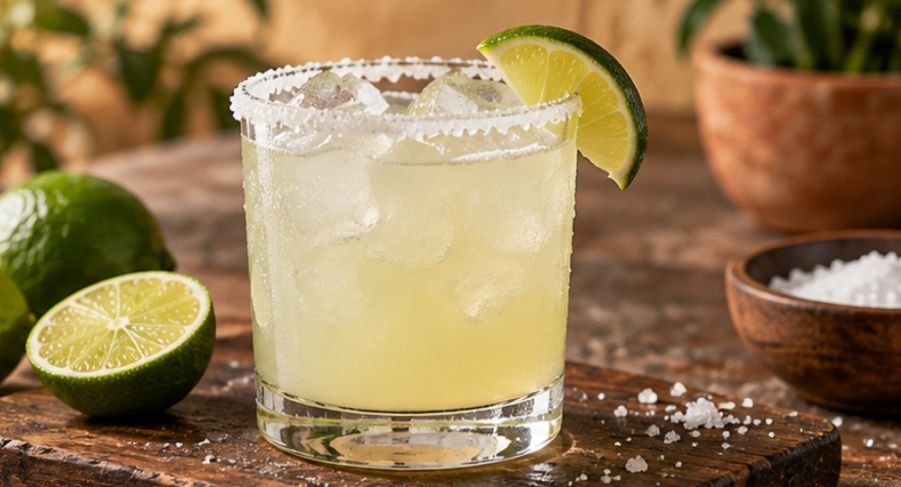
Shake 2 ounces blanco tequila, 1 ounce fresh lime juice, and 1 ounce triple sec or another orange liqueur with ice. Strain over fresh ice or serve up. A half-salt rim is optional.
Orange liqueur contributes sweetness as well as alcohol. A particularly sweet bottle may need a smaller pour, while unusually tart lime may require a small adjustment in the other direction.
3. Moscow Mule: Practice a Built Drink
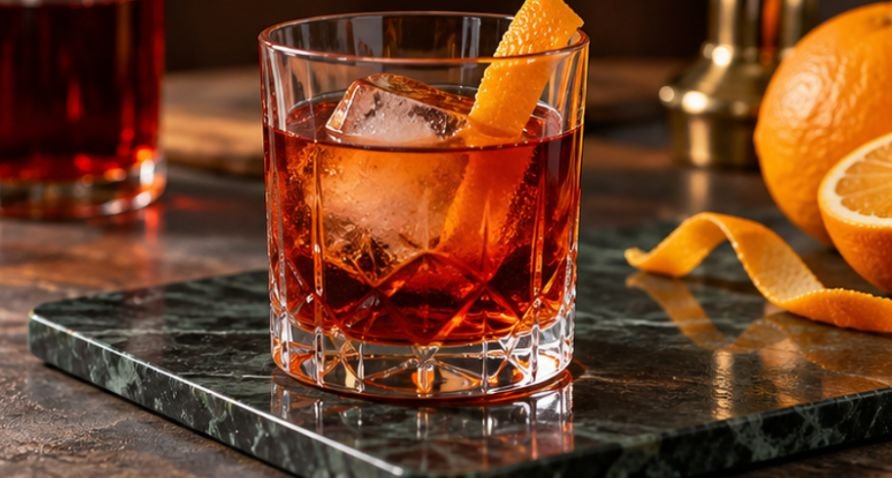
Fill a mug or tall glass with ice, add 2 ounces vodka and ½ ounce fresh lime juice, then top with about 4 ounces ginger beer. Stir gently once or twice.
The IBA uses the same basic vodka, ginger beer, and lime structure. Avoid aggressive stirring because it releases carbonation and makes the drink taste flatter.
4. Negroni: Master an Equal-Parts Recipe
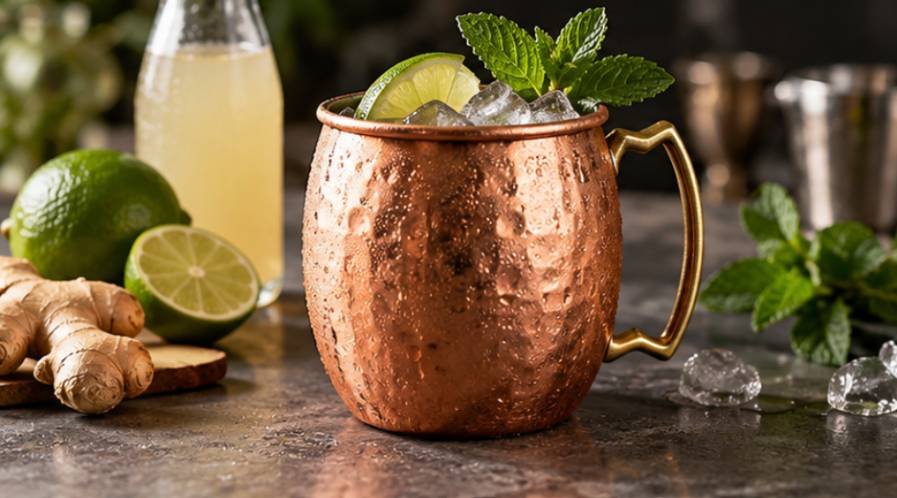
Combine 1 ounce gin, 1 ounce Campari, and 1 ounce sweet vermouth in a mixing glass with ice. Stir until cold, then strain over fresh ice. Add orange peel if available.
The recipe is easy to remember but bold to taste. If you are new to bitter flavors, a Negroni may be less immediately approachable than a Daiquiri or Moscow Mule.
5. White Russian: Understand Texture
Pour 1½ ounces vodka and ¾ ounce coffee liqueur over ice, then add ¾ ounce heavy cream, half-and-half, or milk. Float the dairy for a layered appearance or stir it in for a smoother texture.
Here, cream replaces citrus as the balancing force. Milk creates a lighter result; heavy cream makes the same basic drink noticeably fuller and richer.
The Three-Question Fix for an Unbalanced Cocktail
Before abandoning a recipe, ask three questions.
- First, is one flavor dominating? Adjust the sweet, sour, or liqueur component by only ¼ ounce at a time. Small changes are easier to understand than large corrections.
- Second, is the drink cold enough? Shaking and stirring are not simply ways to combine ingredients. They control temperature and introduce water through melting ice.
- Third, is the ice helping? Small, half-melted pieces dilute rapidly. Larger, solid cubes give you more control.
This simple test turns a disappointing first attempt into useful feedback rather than wasted ingredients.
What a Beginner Bar Actually Needs
A jigger or small measuring cup matters more than decorative glassware because repeatable pours help you learn ratios. A shaker is useful for citrus drinks, although a tightly sealing jar can substitute. Built and stirred drinks require little more than a spoon.
Fresh citrus matters, too. To improve quickly, make the same cocktail twice and alter only one variable—for example, reduce the lime by ¼ ounce. Side-by-side comparison trains your palate faster than changing several ingredients simultaneously.
Three Ingredients Does Not Mean One Standard Drink
Stanford’s guidance on counting drinks notes that real-world pours do not always match standard serving sizes, making both ABV and portion size important. At home, free-pouring can make a strong drink surprisingly easy to create.
For gatherings, measure spirits instead of guessing, keep water and substantial food available, and make appealing alcohol-free options easy to find. Cornell University’s alcohol-at-events guidance specifically requires water and heavy food in certain university-hosted events where alcohol is served.
The University of New Hampshire’s alcohol guidance also recommends measuring spirits in mixed drinks because unmeasured cocktails can contain more alcohol than expected.
Common Beginner Mistakes
The biggest error is eyeballing pours. A recipe designed around two ounces of spirit changes considerably if that pour quietly becomes three. Old citrus can also make an otherwise sound recipe taste flat or unbalanced.
Another misconception is that more ingredients automatically create a better cocktail. Three-part drinks are unforgiving in a useful way: stale juice, melting ice, poor measurements, and weak ratios have nowhere to hide.
Frequently Asked Questions
1. What is the easiest three-ingredient cocktail to make?
A Moscow Mule is usually easiest because it is built directly in the glass with vodka, lime, ice, ginger beer, and a gentle stir.
2. Do I need a cocktail shaker?
No. A tightly sealed jar can work for shaken cocktails. Negronis and Moscow Mules can both be prepared without a shaker.
3. What are the best 3 ingredient cocktails for beginners who dislike bitter drinks?
Start with a Daiquiri, Margarita, Moscow Mule, or White Russian. A Negroni is distinctly bitter and may require a more developed taste for Campari.
4. Can one cocktail contain more than one standard drink?
Yes. Spirit quantity and alcohol proof determine its alcohol content, so a single mixed drink can contain more than one U.S. standard drink.
Start With One Recipe, Not a Whole Bar
The real value of a three-ingredient drink is feedback. With fewer components, you can taste exactly what fresh lime, a quarter-ounce adjustment, colder ice, or a longer shake changes.
Start with one recipe, measure it accurately, taste it, then alter one variable. That habit turns 3 ingredient cocktails for beginners from a shortcut into a genuine bartending lesson. You do not need to memorize dozens of recipes or fill a cabinet with specialty bottles.
If you’re planning drinks for several people, learn how to build a cocktail menu for a party so you can offer variety without overcomplicating the bar. Learn balance first.
Learn balance first. Once three components make sense on your palate, more complicated cocktails become much easier to understand, troubleshoot, and eventually create on your own.
Leave a Reply