
I used to think a cocktail-inspired mocktail had to look and taste like the drink that inspired it. Then I started paying attention to what actually makes a cocktail memorable. It is rarely just the liquor. Acidity, aroma, texture, bitterness, and finish often matter more.
I also noticed that the best original mocktails did not feel like watered-down versions of familiar cocktails. They had their own identity. A drink could borrow the mood of a bitter aperitif, the brightness of a sour, or the snap of a highball without copying its ingredient list. That distinction keeps the drink intentional rather than derivative.
Start With the Flavor Personality
Before reaching for ingredients, identify what you actually like about the cocktail. Is it citrusy, herbal, bitter, or warming?
Think of those traits as a flavor profile rather than a recipe. A drink inspired by a Negroni, for example, does not need orange, vermouth, and a bitter red aperitif. You could build around ruby grapefruit, hibiscus tea, rosemary, and lightly bitter tonic. It can feel familiar while remaining its own drink.
Instead of asking, “What can replace the gin?” ask, “What role was the gin playing?” That shift moves you toward drink design.
Replace Functions, Not Liquors
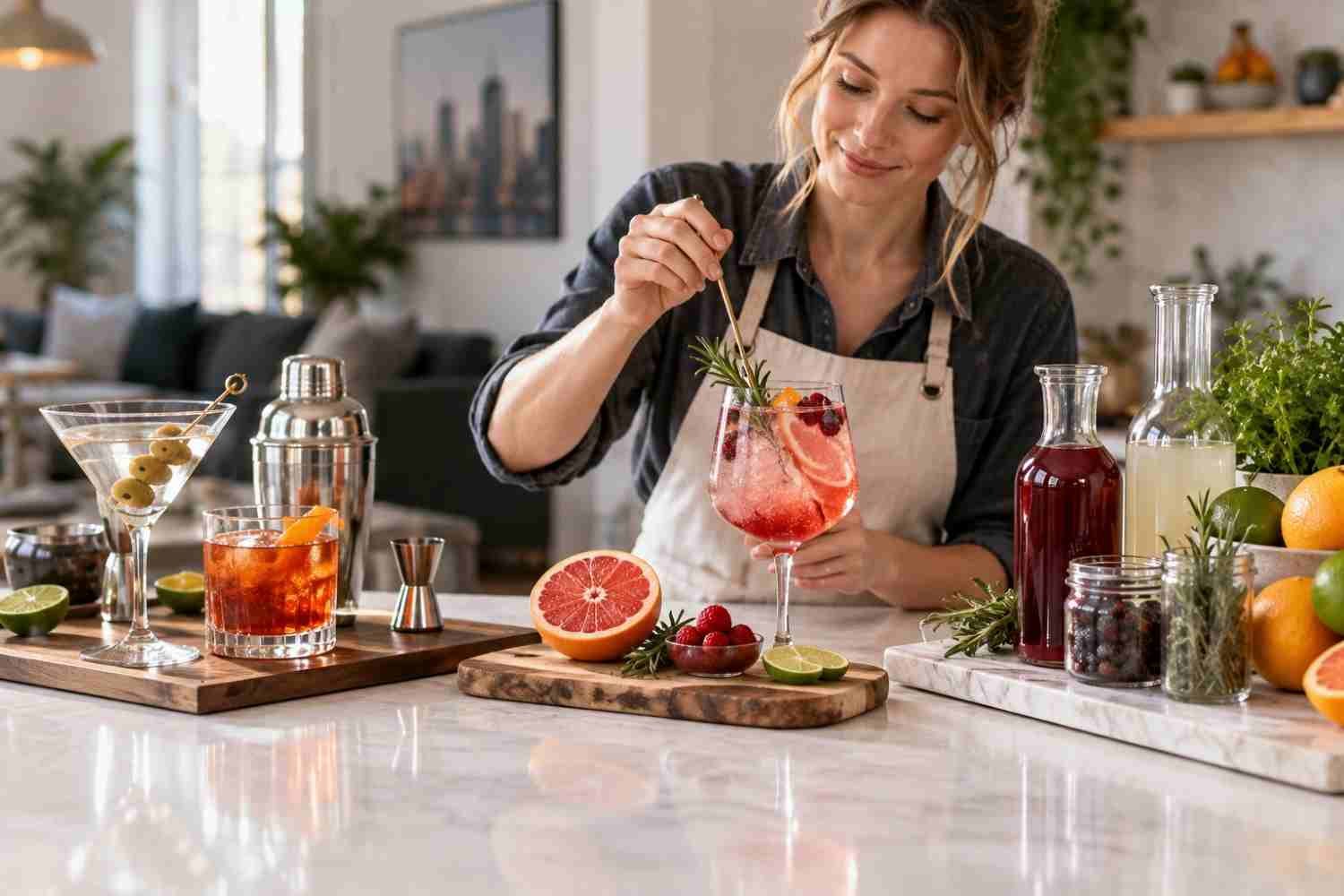
Alcohol contributes more than recognizable flavor. It can add body, warmth, aroma, and a lingering sensation. Removing it can leave a drink thin or overly sweet. Zero-proof drinks need their own structure. Techniques using tannic teas, flavorful syrups, fresh juices, herbs, and other ingredients can provide some of the body, aroma, acidity, and complexity that spirits normally contribute.
Tea can provide tannins and depth. Ginger brings heat. Fresh herbs create aroma. Spiced syrups add warmth, while a small amount of saline can sharpen other flavors. Rich syrups add viscosity, while aquafaba can create soft foam.
Carbonation gives a drink energy and lift. Bubbles make fruit, acid, and herbs feel more dynamic. Build several sensations instead of manufacturing an alcohol-like burn.
Build Acidity With More Than Citrus
Lemon and lime are reliable, but they do not have to carry the entire acidic structure. Vinegar-based shrubs, verjus, kombucha, and other tart ingredients can create different kinds of sharpness. These alternatives are useful when you want acidity that feels softer, deeper, or more layered than straight citrus.
A strawberry shrub brings fruit, sweetness, and vinegar tang. Verjus offers softer grape-derived acidity, while fermented ingredients add tartness and complexity. Multiple acids can make a drink layered rather than simply sour.
This is where how to balance sweetness and acidity in a mocktail becomes useful. A sweet syrup may taste pleasant alone but become heavy with fruit juice. More acid can tighten it, while too much can flatten fruit. Taste after dilution because ice changes the balance.
Give Sweetness Some Contrast
Sweetness works best when something pushes against it. Bitterness, salt, tannins, spice, and acidity can prevent a mocktail from becoming syrupy.
Try green tea or hojicha in a syrup, grapefruit instead of orange, or a little saline to brighten fruit. Smoky tea adds a darker edge, while ginger introduces heat.
You can also use naturally savory ingredients. Cucumber, celery, rosemary, basil, toasted spices, and restrained olive brine can shift a drink’s direction. The trick is dosage. Strong ingredients should support the profile, not announce themselves.
Make Aroma Part of the Drink

A mocktail starts communicating before the first sip. Fresh herbs, citrus peels, spices, floral waters, and aromatic garnishes can shape what you expect from the drink. Aroma is a significant part of how people experience a beverage, which makes the garnish more than decoration.
Express an orange or grapefruit peel over the surface so its oils reach the rim. Rosemary can suggest woodiness and freshness. Orange blossom water adds perfume, while lavender needs restraint.
Glassware and temperature matter too. A chilled glass feels crisper, while crushed ice changes texture and dilution. These details help create an experience beyond alcohol.
Build Complexity Without Copying
Once you have a flavor direction, choose ingredients that create contrast. Start with a base, acid, sweetener, one depth-building ingredient, and something that changes texture or finish.
Imagine a mocktail inspired by a whiskey sour. Instead of replacing whiskey with a zero-proof whiskey alternative, use black tea for tannin, apple juice for fruit, lemon for acidity, ginger syrup for warmth, and aquafaba for texture. It references the sour format without reproducing the original cocktail.
For a tropical drink, combine pineapple, toasted coconut water, lime, cinnamon, and sparkling water instead of recreating a Piña Colada. The idea remains, but the structure changes.
If you enjoy complex zero-proof drink recipes, think in layers rather than ingredient count. Five purposeful ingredients can create more depth than ten competing flavors. Modern zero-proof drinks commonly use ingredients such as custom syrups, shrubs, teas, botanical elements, and fresh juices to create that layered effect.
Test the Drink Like a Bartender
Make a small version first. Taste it before chilling, after chilling, and after dilution. Ask: Does it have enough contrast? Does anything disappear? What remains after the sip?
If it tastes flat, add structure rather than more sugar. Acid, tannin, spice, bitterness, or carbonation may solve it. If it tastes harsh, use dilution or a little sweetness.
Abandon the cocktail reference once the drink starts working. Inspiration is only the starting point. The finished mocktail should stand alone.
FAQs: How to Create Cocktail-Inspired Mocktails Without Copying Cocktails
1. Can a mocktail be inspired by a cocktail without tasting the same?
Yes. Borrow the cocktail’s broad flavor direction, texture, or serving style, then change the main ingredients and structure. You can preserve the feeling of a classic format while creating a distinctly different drink.
2. What adds body to a zero-proof drink?
Rich syrups, tea, fruit purees, aquafaba, dairy or plant-based ingredients, and some nonalcoholic spirits can add body and mouthfeel. Texture should support the drink, not simply make it heavier or sweeter.
3. How do I keep a mocktail from becoming too sweet?
Build contrast with acidity, bitterness, tannins, herbs, spice, or a small amount of saline. Taste after dilution before adjusting, since ice and sparkling water shift the balance. A drier finish can also help.
4. Do I need a nonalcoholic spirit?
No. Tea, shrubs, verjus, herbs, spices, juices, syrups, and carbonation can create complexity without one. A zero-proof spirit is optional. Homemade syrups, teas, shrubs, and sparkling ingredients can provide plenty of character on their own.
Let the Inspiration End Before the Recipe Does
The most interesting cocktail-inspired mocktails stop copying their inspiration somewhere along the way. Once you understand the sensation, you can choose different ingredients to reach it. That makes zero-proof drink building worth exploring. You are not hiding the absence of alcohol. You are designing a drink with enough texture, acidity, aroma, and contrast to stand on its own.
A cocktail can give you the spark. The mocktail should give you the surprise.
Leave a Reply