
When I first compared these two ingredients, I assumed they were simply different names for thick liquid sweeteners. They may look similar in a bottle, but they are made differently and perform distinct culinary jobs. One creates a silky drinking experience, while the other helps confectionery and desserts retain their ideal structure.
Understanding Gomme syrup vs glucose syrup is particularly important when a recipe depends on texture rather than sweetness alone. Selecting the wrong product could leave a cocktail heavy, a caramel grainy or a frozen dessert unpleasantly hard. This guide explains their ingredients, sweetness, consistency, uses and substitution possibilities.
What Is Gomme Syrup?
Gomme syrup, also called gum syrup, is a liquid sweetener made with sugar, water and gum arabic. Gum arabic is a natural, water-soluble substance collected from certain acacia trees. It acts as a stabilizer and gives the finished syrup its characteristic smooth texture.
Bartenders traditionally use gomme syrup in cocktails that benefit from greater body. Regular sugar syrup provides sweetness, but gomme can make a drink feel rounder and softer without adding dairy, egg white or excessive sugar.
Its composition varies by recipe. Some versions use equal parts sugar and water, while richer preparations contain approximately two parts sugar to one part water. The quantity of gum arabic also differs, so one brand may be noticeably thicker than another.
How Gum Arabic Changes a Drink
Gum arabic does more than thicken liquid. It changes the way a cocktail travels across the palate, creating a silky sensation that can soften the perceived sharpness of alcohol.
That effect is especially valuable in spirit-forward drinks. An Old Fashioned, Sazerac or whiskey cocktail can retain its strength and flavor while developing a more polished mouthfeel. Gomme also works in alcohol-free drinks that need body without becoming creamy or excessively sweet.
What Is Glucose Syrup?
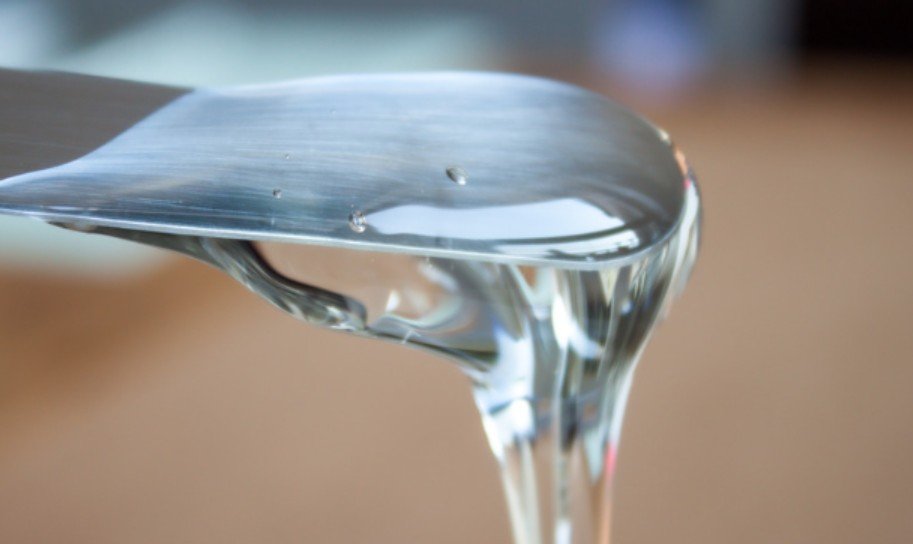
Glucose syrup is a concentrated sweetener produced by breaking down starch through hydrolysis. The starch may come from corn, wheat, potatoes or other plants. Corn is a common source, but not every glucose product is technically corn syrup.
Despite its name, commercial glucose syrup does not necessarily contain pure glucose alone. It can include glucose, maltose and longer carbohydrate molecules. The exact composition depends on how extensively the original starch was broken down.
Food manufacturers and pastry professionals value this ingredient for its functional properties. It can limit crystallization, retain moisture, add bulk, improve flexibility and help products stay smooth.
Why Dextrose Equivalent Matters
Glucose syrups are often classified by their dextrose equivalent, commonly shortened to DE. This measurement indicates the extent to which starch has been converted into smaller reducing sugars.
A lower-DE product is usually thicker and less sweet. A higher-DE variety generally tastes sweeter and may behave differently in candy, ice cream or baked goods. Recipes developed for professional kitchens may specify a particular grade because changing it can affect freezing, browning and moisture retention.
Comparing Ingredients and Production
The principal difference begins with the raw materials. Gomme is normally based on table sugar, also known as sucrose, with gum arabic supplying its special texture. Glucose syrup begins with starch that is converted into smaller sugars.
This distinction affects their behavior. Gum arabic functions as a hydrocolloid and stabilizer. In glucose syrup, the mixture of different carbohydrate molecules disrupts the formation of large sucrose crystals.
Neither ingredient should be confused with high-fructose corn syrup. High-fructose syrup undergoes an additional process that converts some glucose into fructose, making it sweeter. Ordinary glucose syrup is a different product.
The distinction between these syrups likewise begins with their composition and method of production, as treacle vs molasses can differ substantially in sweetness, consistency, and the depth of flavor they contribute to a recipe.
Which Syrup Is Sweeter?
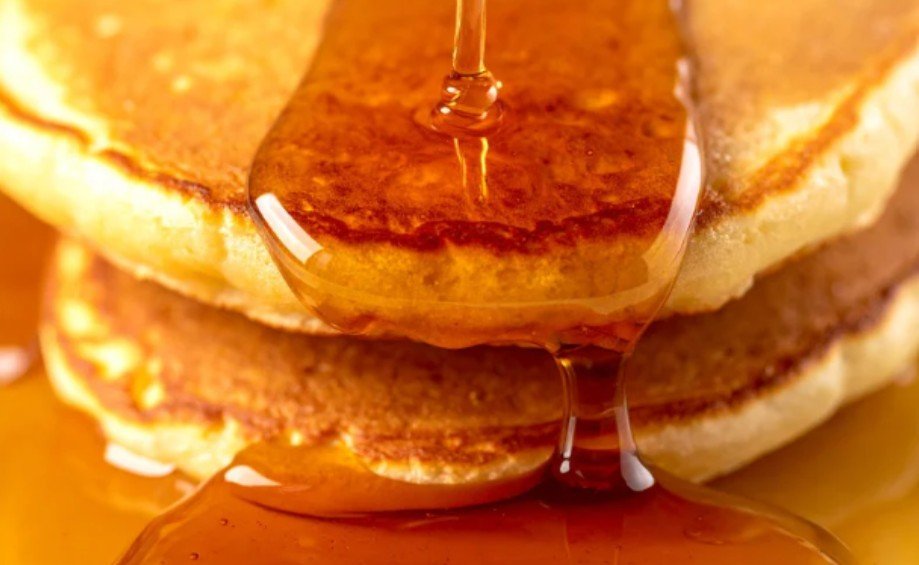
Gomme syrup usually reflects the sweetness of its sucrose base. However, the perceived intensity depends on its sugar concentration and the amount added to a drink.
Glucose syrup is commonly less sweet than an equivalent quantity of table sugar. Its sweetness varies by grade, which allows food makers to increase body or improve texture without making a product overwhelmingly sweet.
That property can be advantageous in confectionery, but it does not automatically make glucose syrup better for beverages. Cocktails require balance among sweetness, acidity, dilution and alcohol strength, not merely thickness.
Texture and Crystallization Control
Both products can produce a thick liquid, but thickness is not the same as mouthfeel. Gomme creates a soft, rounded drinking sensation because of gum arabic. Glucose syrup provides viscosity and structure through its concentration and carbohydrate composition.
Glucose syrup is generally the stronger option for controlling crystallization in candy, caramel, fondant, ganache and glaze. Its different sugar molecules interfere with sucrose crystals joining together in an orderly structure.
Gomme may remain smooth and help stabilize a beverage, but it is not normally selected for demanding confectionery work. Its greatest advantage remains the refined texture it gives drinks.
The importance of syrup composition becomes equally apparent in stevia syrup vs simple syrup, where differences in dissolved solids can influence not only sweetness but also the body and mouthfeel of the finished drink.
Best Uses for Each Ingredient
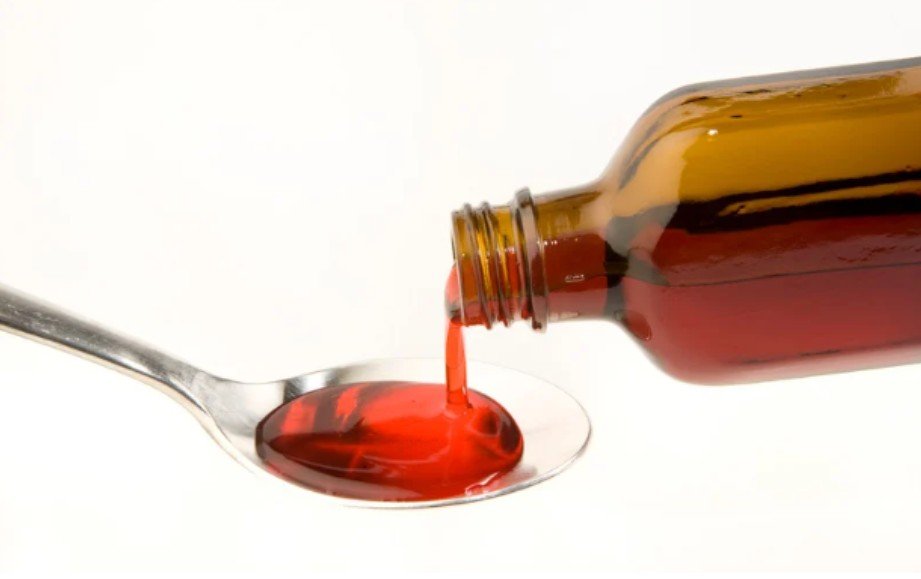
Gomme syrup is best suited to cocktails, mocktails and specialty beverages. It works particularly well when a drink contains strong spirits and relatively few ingredients because its textural contribution remains noticeable.
Glucose syrup is better suited to candy, caramel, marshmallows, fondant, glaze, ganache and certain baked goods. It can also help ice cream remain softer by influencing its freezing behavior. Commercial producers use it to preserve moisture and extend desirable softness.
For coffee or lemonade, either ingredient could technically provide sweetness. However, regular sugar syrup is usually more convenient unless enhanced texture or another technical effect is required.
The choice between these syrups likewise depends on the role they are expected to play, much as brown sugar syrup vs simple syrup can produce different results depending on whether a recipe calls for neutral sweetness or deeper caramelized flavor.
Can They Replace Each Other?
They are not dependable one-for-one substitutes. Glucose syrup can sweeten and thicken a cocktail, but it will not precisely recreate the smooth sensation produced by gum arabic. Its lower sweetness may also disturb the drink’s balance.
Gomme syrup may sweeten a dessert, but it might not prevent crystallization as effectively as the glucose ingredient specified in the recipe. Its additional water and gum arabic could also alter the final consistency.
When substitution is unavoidable, adjust according to weight, sweetness and water content rather than exchanging equal spoonfuls automatically. Small test batches are the safest approach.
Frequently Asked Questions
1. Is gomme syrup the same as glucose syrup?
No. Gomme contains sugar, water and gum arabic, whereas glucose syrup is produced by hydrolyzing starch. They have different compositions and culinary functions.
2. Which syrup is better for cocktails?
Gomme is normally the better choice because it adds sweetness and a silky mouthfeel. Glucose syrup can feel heavy and may not provide the same refined texture.
3. Which ingredient prevents sugar crystallization better?
Glucose syrup is generally more effective in confectionery. It helps keep caramel, fondant and similar preparations smooth by interfering with sucrose crystal formation.
4. What is the main difference in Gomme syrup vs glucose syrup?
Gomme is primarily a beverage sweetener valued for mouthfeel, while glucose syrup is a functional food ingredient valued for moisture control, body and resistance to crystallization.
Final Takeaway
After examining their ingredients and behavior, I would choose gomme for cocktails and glucose syrup for confectionery. They overlap slightly as sweet, viscous liquids, but their most valuable qualities are not interchangeable. Using each one for its intended purpose produces better texture, more predictable results and a noticeably more polished final recipe.
Leave a Reply