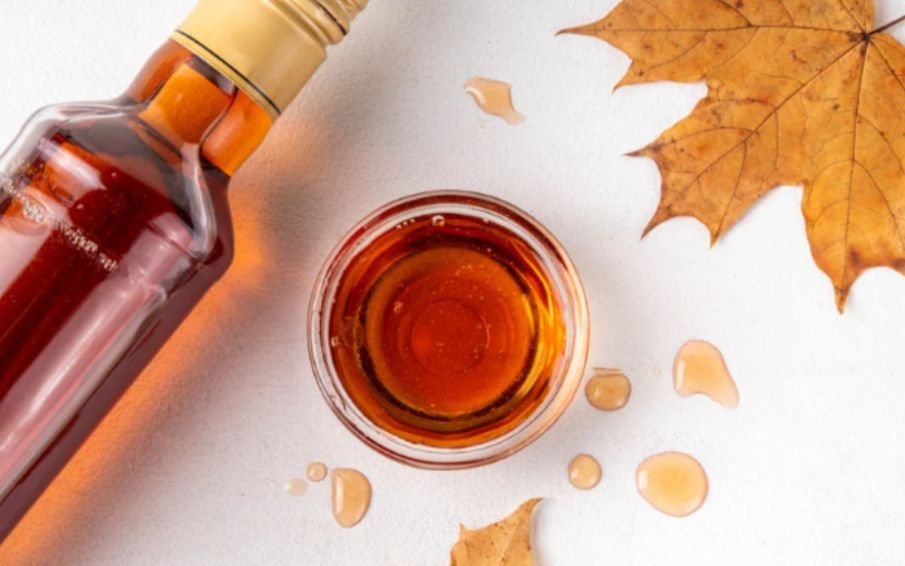
When I sweeten iced coffee, lemonade, mocktails, or homemade cocktails, I want more than sweetness alone. The syrup must dissolve smoothly, complement the other flavors, and create the right texture. Regular simple syrup performs these jobs reliably, but it also adds sugar and calories. Stevia syrup offers a low-sugar alternative, although it behaves differently in both the glass and the kitchen.
The better option therefore depends on what matters most: classic flavor and body or fewer carbohydrates and calories. Here is how the two syrups compare in taste, texture, nutrition, storage, substitution, and everyday use.
What Is Simple Syrup?
Traditional simple syrup combines equal parts granulated sugar and water. Gentle heat helps the sugar dissolve, creating a clear liquid that blends easily into cold beverages. A standard syrup uses a 1:1 ratio, while rich simple syrup commonly uses two parts sugar to one part water.
Sugar provides more than sweetness. It gives drinks weight, softens sharp citrus flavors, balances bitterness, and produces a fuller mouthfeel. These qualities explain why traditional syrup remains a standard ingredient in cocktail bars, cafés, and home kitchens.
Simple syrup also has uses beyond beverages. It can moisten cakes, sweeten fruit, form the base of sorbets, and carry flavors from herbs, spices, citrus peel, or berries.
What Is Stevia Syrup?
Stevia syrup is a liquid sweetener made by combining water with a stevia-based product. Stevia’s sweet compounds come from the leaves of Stevia rebaudiana, but products sold in stores vary considerably.
Some contain highly concentrated steviol glycosides, while others combine stevia with erythritol, dextrose, maltodextrin, or additional bulking ingredients. Consequently, one brand may be hundreds of times sweeter than sugar, while another is designed as a cup-for-cup replacement.
That variation matters. There is no universal homemade stevia syrup ratio that works with every powder, packet, or liquid extract. The product label should always be the starting point.
How Do Their Flavors Compare?
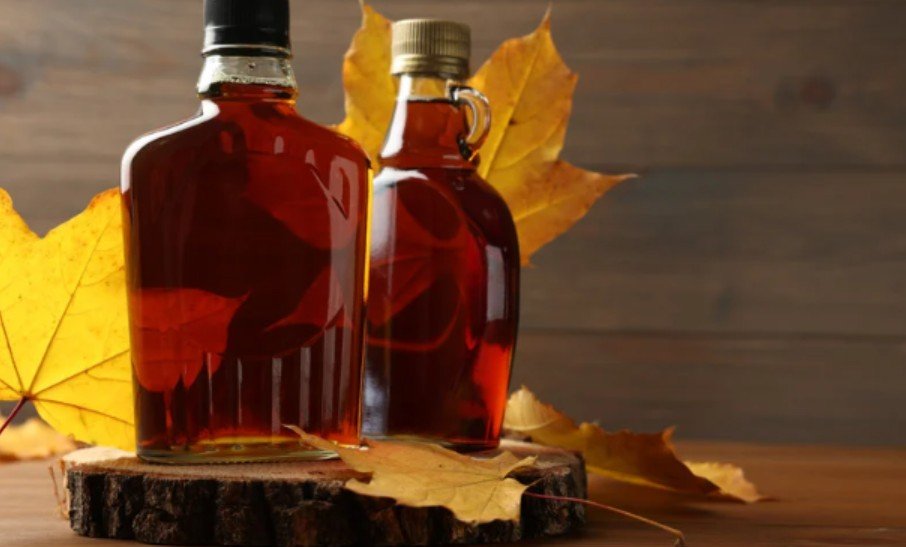
Regular syrup delivers a familiar, clean sweetness. White sugar has a relatively neutral taste, allowing coffee, fruit, tea, and spirits to remain prominent. Brown or raw sugar syrups can introduce caramel and molasses notes, but ordinary white-sugar syrup generally stays in the background.
Stevia can have a slower sweetness onset and a lingering finish. Depending on the formulation and concentration, some people notice herbal, bitter, vanilla-like, or licorice-like notes. Others find the difference minor, especially in strongly flavored drinks.
Stevia tends to work best in beverages containing ingredients that can accommodate its distinctive finish. Citrus, mint, ginger, berries, cocoa, coffee, and aromatic bitters may make the aftertaste less noticeable. Delicate drinks can expose it more clearly.
The distinction becomes even more nuanced with coconut syrup vs. simple syrup, where the choice introduces not only a different level of sweetness but also a markedly different aromatic and flavor profile.
Texture and Mouthfeel Make a Major Difference
The greatest difference is not always flavor. It is texture.
Sugar increases viscosity and gives a beverage a rounder, more substantial body. This is particularly important in spirit-forward or citrus-heavy cocktails, where syrup connects alcohol, acidity, and flavor.
Stevia supplies sweetness without adding the same quantity of dissolved solids. A homemade version can therefore seem watery or one-dimensional. Some commercial products use thickeners or sugar alcohols to reproduce a more syrup-like consistency.
When comparing Stevia syrup vs simple syrup, regular syrup is usually the better choice when luxurious texture is essential. Stevia is more suitable when reducing sugar outweighs the need to reproduce the original mouthfeel perfectly.
The relationship between syrup concentration and mouthfeel becomes particularly apparent in rich simple syrup vs. regular simple syrup, where the sugar-to-water ratio directly influences both texture and sweetness.
Calories, Carbohydrates, and Labels
Traditional syrup contains carbohydrates and calories from sugar. The amount in a drink depends on the syrup ratio and serving size, but it should be treated as added sugar.
Pure high-intensity stevia contributes little or no meaningful sugar. However, a packet or baking blend bearing the word “stevia” may contain other ingredients. Dextrose and maltodextrin, for example, can contribute carbohydrates and affect blood sugar.
Claims such as zero sugar, zero calories, keto-friendly, and natural should not replace label reading. Check the ingredient list, serving size, carbohydrate content, and directions for the exact product being used.
Which Syrup Works Better in Drinks?
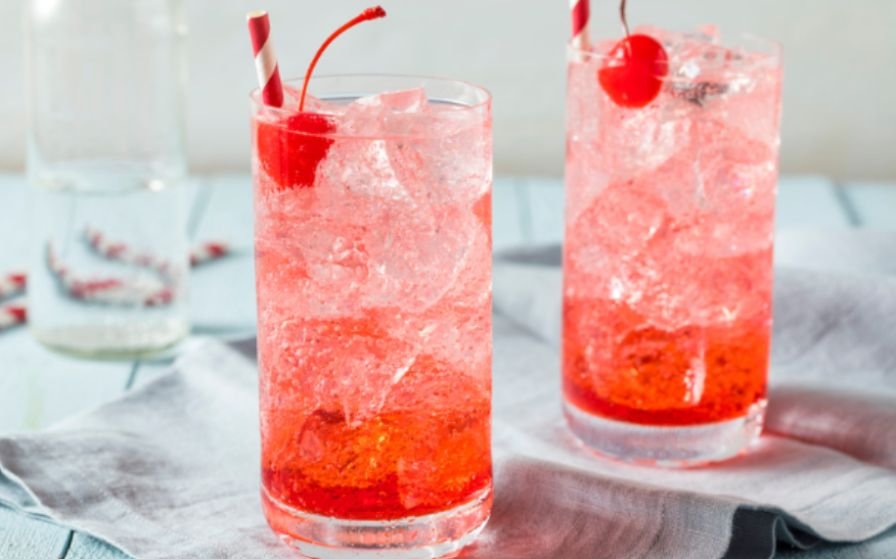
Cocktails and Mocktails
Regular syrup is the dependable choice for a Daiquiri, Whiskey Sour, Mojito, or Old Fashioned because it balances acidity and alcohol while adding body. Stevia syrup can reduce the sugar content, but the drink may require adjustment.
Begin with less than the recipe’s stated amount unless the stevia product is specifically formulated as a 1:1 syrup replacement. Taste, then increase gradually. Overusing concentrated stevia can quickly create excessive sweetness or a stronger aftertaste.
Coffee and Tea
Stevia syrup works particularly well in iced coffee and tea because it disperses evenly without leaving crystals. Coffee’s roasted bitterness can also make stevia’s finish less obvious. Regular syrup remains preferable for café-style drinks where a smooth, rounded sweetness is part of the experience.
For iced coffee drinkers, the choice of sweetener can also be considered alongside questions such as does iced coffee dehydrate you, particularly when coffee is consumed throughout the day.
Baking and Desserts
Stevia syrup is not a direct replacement for sugar syrup in every dessert. Sugar supports browning, moisture retention, structure, preservation, and freezing behavior. Replacing it can alter cake texture, sorbet consistency, and the final appearance of baked food.
How to Make Each Version
For regular syrup, warm one cup of water without bringing it to a prolonged boil. Stir in one cup of granulated sugar until completely dissolved. Cool the mixture before transferring it to a clean, airtight container.
For stevia syrup, warm one cup of water and add the manufacturer-recommended quantity of stevia gradually. Stir until dissolved and taste only after the mixture has cooled. A tiny pinch of salt may soften perceived bitterness, but it will not fix an overly concentrated batch.
Storage and Food Safety
Keep both homemade syrups refrigerated in clean, sealed containers. Standard 1:1 simple syrup commonly remains usable for several weeks, while concentrated rich syrup may last longer because its higher sugar concentration helps inhibit microbial growth.
Sugar-free homemade syrup lacks the same concentration of sugar, so its storage life can be less predictable. Make small batches, use clean utensils, and discard any syrup that becomes cloudy, develops mold, smells unusual, or changes unexpectedly.
Frequently Asked Questions
1. Is Stevia syrup vs simple syrup better for weight management?
Stevia syrup can reduce added sugar and calories when made with an appropriate low-calorie product. However, the entire diet matters more than changing one ingredient, and commercial labels should be checked for added carbohydrates.
2. Can I replace regular syrup with stevia syrup in equal amounts?
Not automatically. Sweetness varies significantly among extracts, packets, blends, and ready-made syrups. Follow the product directions and adjust the drink gradually.
3. Which option tastes better in cocktails?
Regular syrup generally creates a more traditional flavor and fuller texture. Stevia may be preferable in strongly flavored cocktails when lowering sugar is the main goal.
4. Does stevia syrup last longer?
Not necessarily. Sugar contributes preservative properties to traditional syrup. Refrigeration, container cleanliness, added ingredients, and concentration all affect storage life.
Final Thoughts
I would choose regular simple syrup when flavor accuracy, citrus balance, and rich mouthfeel are the priorities. It remains the most reliable option for classic cocktails, delicate beverages, desserts, and recipes in which sugar performs structural work.
I would choose stevia syrup for iced coffee, tea, mocktails, or strongly flavored drinks when reducing added sugar matters more than perfectly recreating traditional texture. The smartest approach is to select a product carefully, start with a small amount, and adjust by taste. Neither syrup wins every situation; the best choice is the one that performs the job your particular drink requires.
Leave a Reply