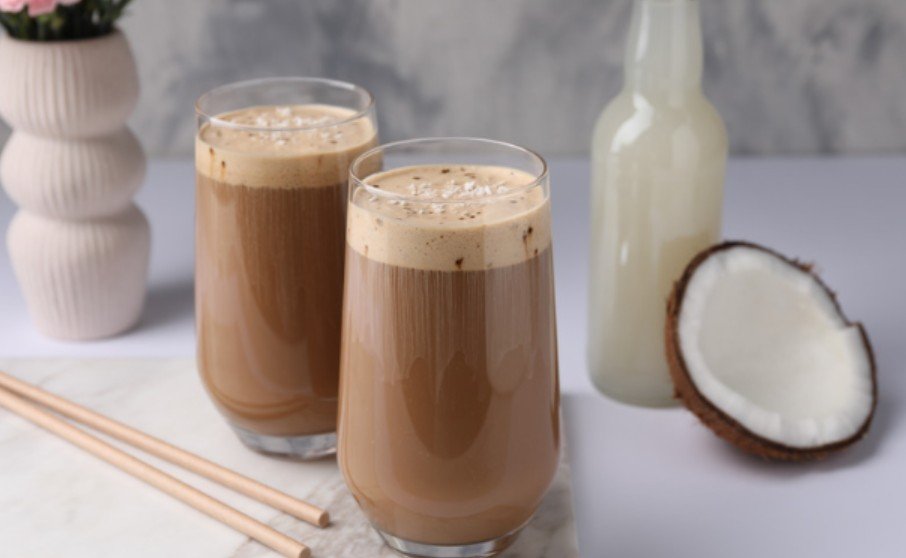
I used to assume coconut syrup was simply regular sugar syrup with a tropical coconut flavor. Once I compared several products, however, I discovered that the name can describe three noticeably different sweeteners. Some bottles contain coconut blossom nectar, some syrups are made by dissolving coconut sugar in water, and others are conventional flavored syrups designed to taste like coconut.
That distinction matters when sweetening coffee, cocktails, pancakes, lemonade, or desserts. Coconut syrup vs simple syrup is not merely a choice between two labels. Their flavor, appearance, consistency, and suitability depend on what the coconut product actually contains.
The Main Difference at a Glance
Simple syrup is normally made by dissolving white granulated sugar in water. Standard syrup uses equal parts sugar and water, while rich simple syrup commonly uses two parts sugar to one part water. Its clear color and neutral taste make it useful when sweetness is needed without changing a recipe’s primary flavors.
Coconut syrup can mean coconut nectar collected from coconut palm blossoms, syrup prepared from coconut sugar, or a sugar syrup containing coconut flavoring. Coconut nectar and coconut sugar syrup usually taste earthy and caramel-like rather than strongly of coconut. A flavored commercial product delivers the familiar tropical taste most shoppers expect.
What Is Coconut Syrup?
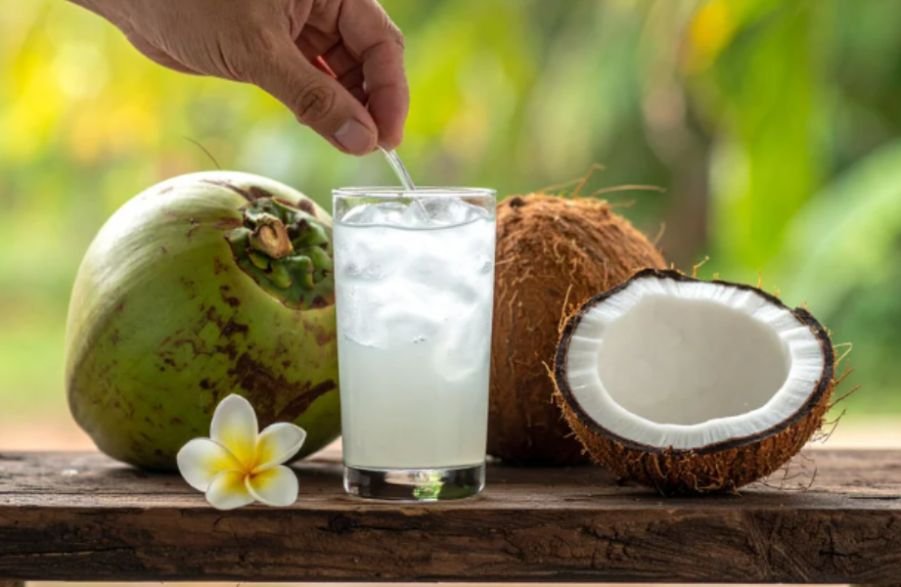
Understanding the label is essential because different coconut syrups cannot always be used in the same way.
Coconut Nectar
Coconut nectar comes from the sap collected from coconut palm flower blossoms. The sap is reduced until it becomes a dark, viscous liquid. Its flavor is generally comparable to mild molasses or caramel, with toasted and earthy notes.
Despite its name, coconut nectar may not taste much like coconut flesh or coconut milk. It works particularly well in coffee, oatmeal, marinades, dressings, pancakes, and desserts that benefit from deeper sweetness.
Coconut Sugar Syrup
This variation is made by combining coconut sugar with water. Because coconut sugar is produced from palm blossom sap, the finished syrup retains its brown color and caramel-like character.
It can be made at home with one cup of coconut sugar and one cup of water. Heat the mixture gently, stir until dissolved, and allow it to cool before transferring it to a clean container.
Coconut-Flavored Syrup
Coconut-flavored syrup is typically a conventional sugar base containing natural or artificial coconut flavor. It is often formulated for coffee shops, sodas, cocktails, shakes, and frozen beverages.
This is the best option when the goal is an unmistakable tropical aroma. Its ingredients, sweetness, and concentration vary between manufacturers, so it should not automatically be treated as coconut nectar.
What Is Simple Syrup?
Simple syrup solves a basic kitchen problem: granulated sugar does not dissolve efficiently in a cold beverage. Turning it into a liquid allows sweetness to disperse evenly through iced coffee, lemonade, cocktails, and tea.
A standard homemade recipe combines one cup of sugar with one cup of water. The mixture only needs gentle heating until the sugar dissolves. Excessive boiling can evaporate water and unintentionally change its concentration.
Simple syrup has little flavor beyond sweetness. That neutrality is valuable in recipes containing delicate citrus, herbs, tea, floral ingredients, or spirits.
How Their Flavors Compare
Classic simple syrup is clean, familiar, and unobtrusive. It sweetens a drink without noticeably affecting its color or aroma.
Coconut nectar and coconut sugar syrup are darker and more assertive. Their caramel characteristics pair naturally with coffee, chocolate, dark rum, bourbon, cinnamon, pineapple, banana, and toasted desserts. They may overpower subtle floral or herbal ingredients.
Coconut-flavored syrup behaves differently. It is intended to contribute a recognizable coconut note and is better suited to tropical lemonades, iced lattes, rum drinks, milkshakes, and alcohol-free party beverages.
The difference between richer and neutral sweeteners is also clear in brown sugar syrup vs. simple syrup.
Can One Replace the Other?
A one-to-one substitution works most reliably when replacing standard simple syrup with homemade coconut sugar syrup prepared using the same sugar-to-water ratio. The drink will become darker and develop a richer flavor, but its sweetness should remain reasonably close.
Bottled coconut nectar can be thicker or more concentrated. I recommend beginning with approximately three-quarters of the quantity required, tasting the recipe, and adding more if necessary.
For a commercial coconut-flavored syrup, follow the bottle’s serving recommendation. Some products are considerably sweeter or more intensely flavored than homemade syrup. Rich 2:1 simple syrup is also more concentrated than the standard version, so it should not be replaced without adjustment.
When adapting a syrup to suit a particular flavor profile, a spiced pear simple syrup recipe illustrates how fruit and aromatic spices can introduce complexity without relying solely on sweetness.
Which Syrup Is Better for Cocktails?
Simple syrup remains the dependable choice for daiquiris, mojitos, whiskey sours, Collins-style drinks, and other recipes that require balanced sweetness. It lets citrus, herbs, and spirits remain recognizable.
Coconut nectar is better when caramel depth complements the base spirit. It can enhance aged rum, bourbon, coffee liqueur, pineapple, lime, or baking-spice flavors. Coconut-flavored syrup is suitable when coconut should become an obvious part of the finished cocktail or mocktail.
Begin with a small quantity when changing a tested cocktail recipe. Adding sweetness is easy; correcting an excessively sweet drink is much harder.
Which One Works Better in Coffee?
For coffee that only needs sweetness, simple syrup is the cleaner option. It dissolves immediately and does not compete with the roast.
Coconut sugar syrup can complement medium and dark roasts because its caramel character echoes naturally roasted flavors. Coconut-flavored syrup is preferable for creating a tropical iced latte or a café-style specialty drink. Milk or cream can soften the intensity, so the syrup amount may need adjustment.
Using the Syrups in Food and Desserts
Simple syrup is useful for moistening cake layers, sweetening fruit, preparing sorbet, and adding shine to baked goods. Its neutral appearance is especially helpful with pale cakes and brightly colored fruit.
Coconut nectar works well over waffles, pancakes, oatmeal, yogurt, and ice cream. Its dark color may alter the appearance of a vanilla frosting recipe, lemonade, or other light-colored desserts. It can also bring sweetness to marinades and salad dressings, although its stronger flavor should complement the other ingredients.
The distinction between neutral sweetness and deeper, fruit-derived flavor is equally evident when considering date syrup vs. simple syrup.
Neither product should automatically replace granulated sugar in baking. Liquid sweeteners add moisture and can change browning, texture, and structure.
Is Coconut Syrup Healthier?
Coconut-based sweeteners are frequently marketed as natural or less refined. Nevertheless, they still contain sugar and should be treated as added sweeteners rather than nutritional supplements.
Possible trace minerals do not transform coconut syrup into a nutrient-rich food. Glycemic-index claims also vary by product and testing method. People managing diabetes or another medical condition should rely on qualified professional advice rather than wellness claims on product packaging.
The most useful comparison comes from reading both labels. Check serving size, total sugar, added sugar, ingredients, calories, and recommended portion. A natural-sounding product can still deliver a substantial quantity of sugar.
Frequently Asked Questions
1. Does coconut syrup taste like coconut?
Not necessarily. Coconut nectar and coconut sugar syrup generally taste like caramel or mild molasses. Coconut-flavored coffee or cocktail syrup is specifically formulated to provide a tropical coconut taste.
2. Coconut syrup vs simple syrup: which is better for drinks?
Simple syrup is better for neutral, predictable sweetness. Coconut nectar suits drinks that benefit from caramel depth, while coconut-flavored syrup is best when coconut should be prominent.
3. Can I put coconut syrup in iced coffee?
Yes. Coconut sugar syrup adds darker caramel notes, whereas flavored syrup produces a more recognizable coconut profile. Start with a small amount and adjust after stirring.
4. Does coconut syrup need refrigeration?
Homemade coconut syrup should generally be refrigerated in a sealed container. Store-bought products may have different instructions depending on their ingredients and preservatives.
My Final Take
After comparing the options, I would keep simple syrup available for everyday versatility and choose a coconut product for a particular flavor goal. Simple syrup protects delicate ingredients, coconut nectar adds earthy caramel depth, and coconut-flavored syrup creates a tropical result.
I would also check the ingredient list before buying because the words “coconut syrup” alone do not reveal what is inside. Once I know whether the bottle contains palm nectar, dissolved coconut sugar, or flavored sugar syrup, choosing the appropriate drink or dessert becomes much easier.
Leave a Reply