A cocktail can taste bone-dry and still contain sugar. That is the first thing to know before ordering: perceived sweetness depends on the balance of bitter, sour, salty, herbal, and alcoholic flavors—not simply whether a recipe contains syrup.
For anyone searching for cocktails for people who don’t like sweet drinks, the safest strategy is to choose drinks built around spirits, soda, citrus, brine, bitters, or dry fortified wine, then keep syrups and sweet mixers light. That opens the door to crisp, savory, bitter, and spirit-forward drinks that do not taste like dessert.
Why “Dry” and “Low Sugar” Are Not the Same Thing
Humans perceive basic tastes including sweet, sour, salty, bitter, and umami. The University of Minnesota’s sensory-science overview explains these different taste dimensions and how beverages can contain several at once.
Virginia Tech’s research on taste balance in wine similarly explains that perceived sweetness exists in relation to acidity, bitterness, and astringency. That principle is useful for understanding cocktails, too.
It helps explain why a Negroni can contain sweet vermouth yet taste predominantly bitter, or why olive brine can make a Martini seem aggressively savory. “Dry” is therefore a flavor description, not automatically a nutrition claim.
The Best Dry, Bitter, Savory, and Spirit-Forward Choices
1. Dry Martini
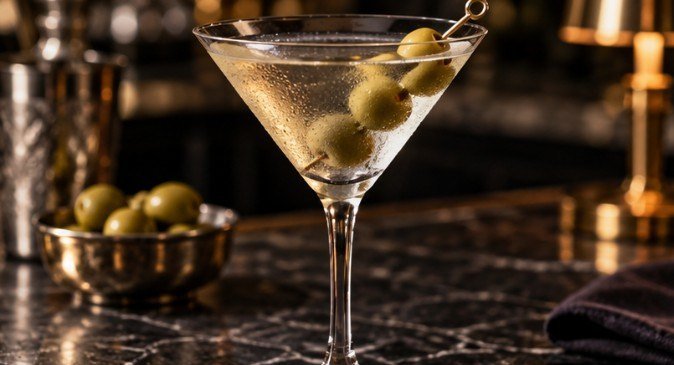
Gin and dry vermouth create a cold, botanical drink with no required fruit juice or simple syrup. At a U.S. bar, ask for a “dry gin Martini with a lemon twist” for a particularly crisp profile. An olive shifts it toward savory.
2. Dirty Martini
A Dirty Martini adds olive brine to gin or vodka and dry vermouth. Saltiness and briny aroma take center stage, making it one of the clearest choices for someone who dislikes fruity sweetness.
Start with a standard dirty pour before ordering “extra dirty,” which can overwhelm the base spirit.
3. Bloody Mary
Tomato juice, lemon, Worcestershire sauce, pepper, horseradish, and hot sauce create acidity, umami, spice, and savoriness. It is especially useful for brunch drinkers who do not want a juice-heavy cocktail.
Premade mixes vary, and some contain added sugar. Ask whether the bar uses a house mix or plain tomato juice plus seasonings.
4. Negroni
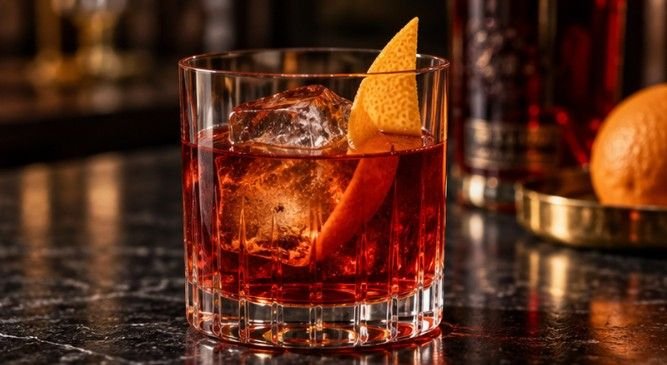
Gin, Campari, and sweet vermouth create an assertively bitter, citrusy, herbal drink. It does contain sugar, but the bitterness often makes the finished cocktail taste far less sweet than the ingredient list suggests.
A Negroni is a strong fit if you already enjoy bitter coffee, grapefruit peel, tonic, or amaro.
5. Americano
An Americano combines Campari and sweet vermouth with sparkling water. It keeps the bitter-herbal character of a Negroni but drops the gin, making it lighter and more refreshing. Choose it when you want bitterness without a heavy spirit-forward finish.
6. Rye Old Fashioned, Lightly Sweetened
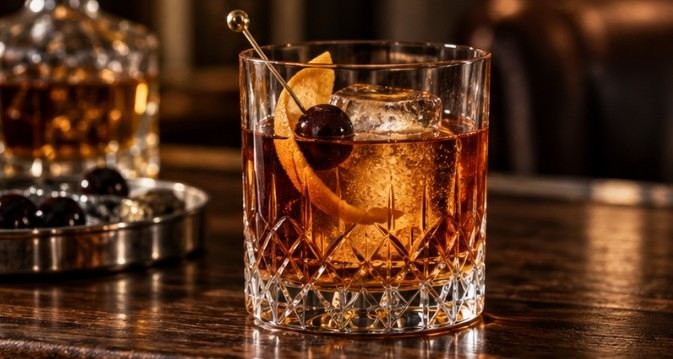
An Old Fashioned uses whiskey, bitters, and a small amount of sugar. Rye is a good starting point for a drier impression because its spicy profile can feel sharper than a rounder bourbon.
Ask for “a rye Old Fashioned, very light on the syrup.” Removing sugar entirely changes the intended balance rather than simply making the same cocktail drier.
7. Manhattan
Rye whiskey, sweet vermouth, and aromatic bitters make a Manhattan rich and warming rather than fruity. It is not sugar-free, but rye spice and bitters can prevent sweetness from becoming the dominant impression.
If you are highly sensitive to sweetness, ask about a Perfect Manhattan, which divides the vermouth between sweet and dry styles.
8. Ranch Water
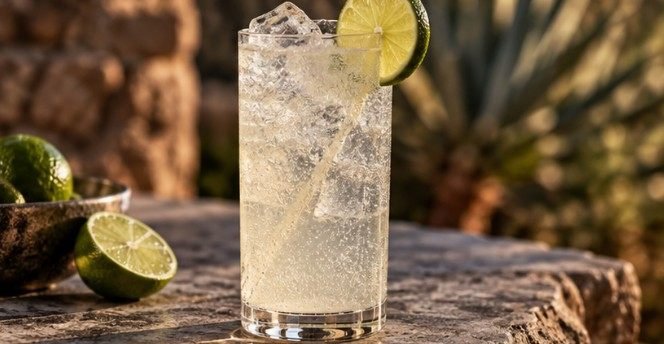
Ranch Water is tequila, fresh lime, and highly carbonated mineral water; Topo Chico is a familiar Texas choice. There is no need for agave syrup or orange liqueur.
The ideal result is tart, mineral, fizzy, and clean, making Ranch Water one of the easiest drinks to order when you want minimal sweetness.
9. Fresh-Grapefruit Paloma
A Paloma can become considerably sweeter when made with grapefruit soda. A drier version uses tequila, fresh grapefruit juice, lime, and club soda, with salt if desired.
You keep grapefruit’s tart-bitter character without relying on sugary soda. Ask specifically for fresh grapefruit, soda water, and no added syrup.
10. Whiskey Highball
Whiskey and chilled soda water produce a lean, aromatic drink. Dilution softens the alcohol while carbonation helps lift its aroma.
A lemon peel is enough garnish. Specify soda water rather than ginger ale if you want to avoid extra sweetness.
The Four-Question Ordering Test
When the menu is unfamiliar, use this quick filter:
- Is the drink built around soda water, pickle martini with vermouth, brine, citrus, bitters, or a straight spirit?
- Does it include simple syrup, agave, honey, liqueur, tonic, ginger beer, soda, or fruit purée?
- If it has a sweet component, is there enough bitterness, acidity, or salt to balance it?
- Can the bartender reduce syrup without turning the drink into something structurally different?
A useful ordering line is: “I prefer dry, bitter, savory, or tart drinks—not fruity or syrupy. What on the menu fits that?”
This approach is often more reliable than asking only for a “low-sugar” cocktail because bartenders can immediately understand the flavor experience you want.
“Not Sweet” Does Not Mean Low-Alcohol or Healthy
This distinction matters most with Martinis, Manhattans, and Old Fashioneds. They can taste dry while delivering concentrated alcohol.
The National Institute on Alcohol Abuse and Alcoholism’s standard-drink guidance defines one U.S. standard drink as containing 14 grams of pure alcohol. Its cocktail calculator also notes that a single mixed drink can contain one, two, or more standard drinks depending on the recipe.
The CDC’s alcohol and health guidance states that drinking less alcohol is better for health than drinking more.
Reducing perceived sweetness also does not guarantee low added sugar. The American Heart Association’s added-sugar guidance recommends keeping added sugars to no more than 6% of daily calories.
If sugar intake is your real concern, ask about actual mixers and serving sizes instead of judging the drink by taste alone.
Frequently Asked Questions
1. What cocktail is least likely to taste sweet?
A dry Martini, Ranch Water, whiskey highball, or gin and soda is usually a safer choice because none requires sugary fruit juice or syrup.
2. Is a Negroni a sweet cocktail?
Not usually by taste. It contains sweet vermouth and Campari, but pronounced herbal bitterness makes the finished drink read bittersweet rather than dessert-like.
3. How do I order cocktails for people who don’t like sweet drinks?
Tell the bartender you prefer dry, bitter, savory, tart, or spirit-forward drinks and ask them to avoid heavy syrup, sweet soda, and fruit purée.
4. Is tonic water unsweetened?
Usually not. Many tonic waters contain sugar or other sweeteners. Choose plain soda water when you want carbonation without adding a noticeably sweet component.
Final Pour
The best non-sweet cocktail is not necessarily the one with zero sugar; it is the one whose structure matches your palate. Start with a dry Martini, Ranch Water, or whiskey highball if you want the cleanest entry point. Move toward a Negroni or Manhattan if bitterness and herbs appeal more, or a Dirty Martini and Bloody Mary if you prefer savory flavors.
Once you can spot syrup, sweet mixers, bitter ingredients, acid, and brine, a cocktail menu becomes much easier to read. Order by flavor structure rather than color or name, and you are far less likely to end up with a glass that tastes like liquid candy.
Leave a Reply