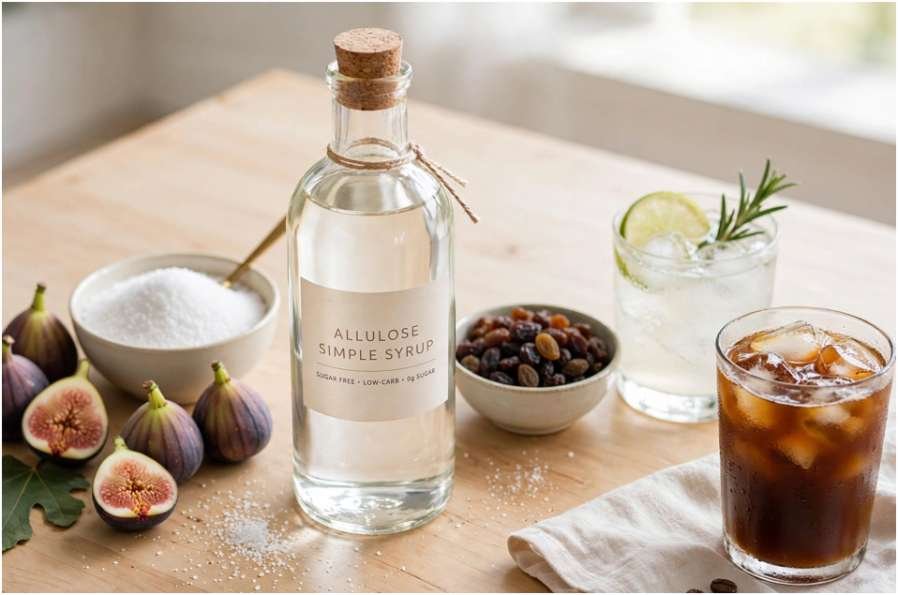
Finding a low-carb sweetener that actually behaves like real cane sugar in liquid form used to feel impossible. Erythritol crystallizes the second your cocktail hits the ice, and maltitol wreaks havoc on digestion.
Testing batches behind the bar and in my home kitchen proved that finding a true-to-life formulation required abandoning traditional sugar alternatives altogether. Mastering a reliable sugar free simple syrup recipe with allulose completely changes how keto and low-carb mixology works.
Crafting the ultimate sugar-free sweetener requires understanding precise ratios, heat thresholds, and texture modifiers. This guide covers everything needed to build a foolproof batch that pours, chills, and sweetens just like the classic version.
Why Allulose Outperforms Other Sweeteners in Liquid Form
Traditional sweeteners fail in cold beverages because of solubility physics. Erythritol and xylitol lack the high solubility needed to stay dissolved at lower temperatures, leading to gritty crystal deposits at the bottom of a glass.
Allulose is a rare monosaccharide that occurs naturally in small quantities in figs and raisins. It mimics sucrose almost identically without spiking blood glucose or triggering insulin responses.
Unlike standard sugar substitutes, allulose stays completely dissolved even when chilled to refrigerator temperatures. This makes a keto simple syrup behave identically to standard bar syrup. The only catch is relative sweetness.
Because pure allulose sits at roughly 70 percent of the sweetness of table sugar, adjusting the ratio is non-negotiable for achieving an authentic mouthfeel.
Ingredients and Precision Measurements
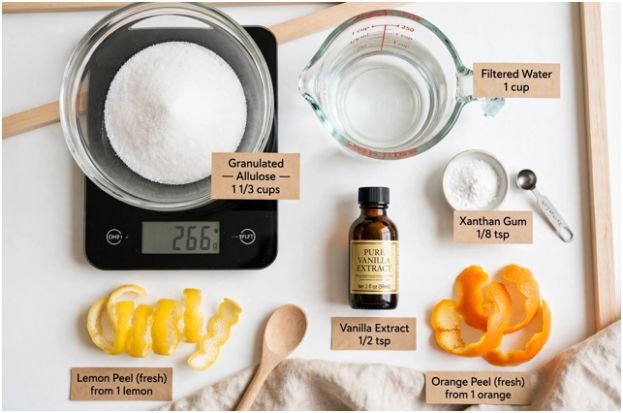
Precision matters when working with alternative sugars. Eyebrows raise at the modified ratio required to match classic sweetness, but the math ensures zero compromise on flavor profile.
- 1⅓ cups granulated allulose
- 1 cup filtered water
- Optional: ⅛ teaspoon xanthan gum for enhanced viscosity
- Optional: ½ teaspoon vanilla extract or fresh citrus peels
Weighing ingredients on a digital scale yields the most consistent results across batches. For more background on sweetener alternatives, check out the Healthline guide on allulose. To explore alternative sweetening profiles, compare this with a traditional honey simple syrup for baking applications.
Step-by-Step Preparation Method
Executing this recipe demands attention to thermal control. Allulose behaves as a reducing sugar, meaning it caramelizes and browns much faster than sucrose.
Combining and Dissolving the Base
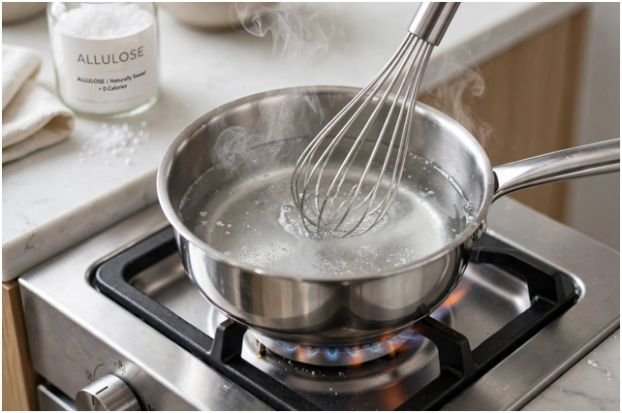
Add the granulated allulose and filtered water into a small, clean saucepan. Place the pan over medium heat. Whisk the liquid frequently to encourage rapid dissolution. The granules should disappear into the water within three to five minutes, creating a crystal-clear solution.
Managing Heat and Thickeners
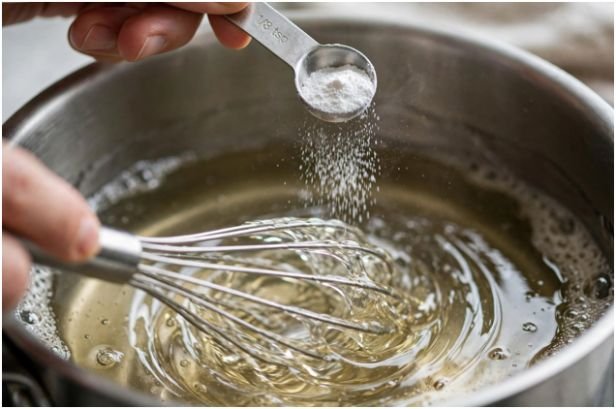
Bring the liquid to a light, controlled simmer. Avoid aggressive boiling, which rapidly alters the volume and concentrates the solution unpredictably. If you prefer a heavier, more viscous mouthfeel that mimics a rich simple syrup, sprinkle in the ⅛ teaspoon of xanthan gum right now.
Whisk vigorously to prevent clumping. Xanthan gum hydrates instantly and adds a luxurious weight to low-carb beverages. Let the mixture simmer for exactly one more minute, then pull it off the heat source immediately.
Customization and Flavor Infusions
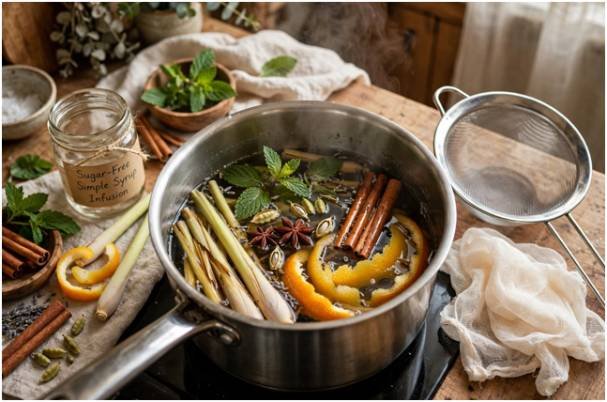
Standard syrup serves as a blank canvas. Upgrading your sweetener with aromatic elements transforms everyday iced coffee or low-carb cocktails.
Botanical and Spice Additions
Dropping fresh mint sprigs, bruised lemongrass, or cinnamon sticks into the hot liquid creates deep aromatic profiles. For citrus notes, peel wide strips of lemon or orange zest, avoiding the bitter white pith.
Steeping and Straining Protocols
Let botanical additions steep in the hot syrup off the heat for ten minutes. This extracts essential oils without scorching delicate flavors. Pass the cooled liquid through a fine-mesh strainer lined with cheesecloth to catch microscopic herb fragments before bottling.
Storage and Shelf-Life Management
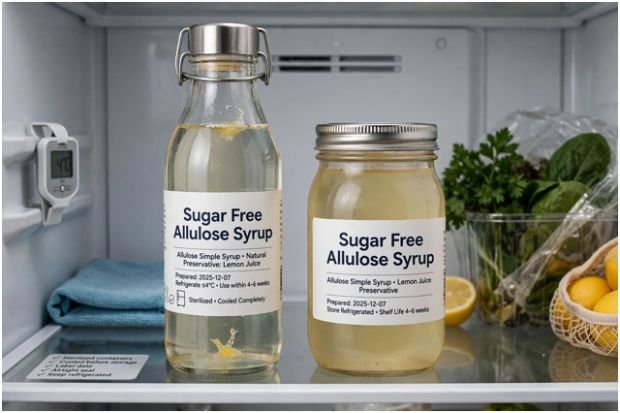
Proper storage protects your batch from microbial activity and extends usability. Pour the completely cooled syrup into a sterilized glass bottle or mason jar equipped with an airtight lid.
Storing the container in the back of the refrigerator keeps the product fresh for three to four weeks. Adding a tiny splash of fresh lemon juice drops the pH level slightly, acting as a natural preservative that extends usability safely. For deep dives into food preservation and safety standards, review documentation from the USDA Food Safety and Inspection Service.
Frequently Asked Questions
1. Does allulose spike blood sugar?
Clinical studies show that allulose has a glycemic index of zero and does not raise blood glucose or insulin levels.
2. Can I use this syrup in hot coffee?
Yes, it handles heat perfectly and stirs seamlessly into hot beverages without separating.
3. Why did my allulose syrup turn brown?
Allulose undergoes the Maillard reaction faster than table sugar, so excessive heat causes caramelization and discoloration.
4. Can I freeze this syrup?
Freezing works well and extends shelf life for up to three months, though slight separation may occur upon thawing.
Pour the Good Stuff
Stop settling for watery keto drinks and gritty iced coffees. Swapping out conventional sugar for this perfectly calibrated formula keeps your low-carb lifestyle completely seamless. Mix up a batch today, toss it in the fridge, and elevate your drink game without missing a beat.
Leave a Reply