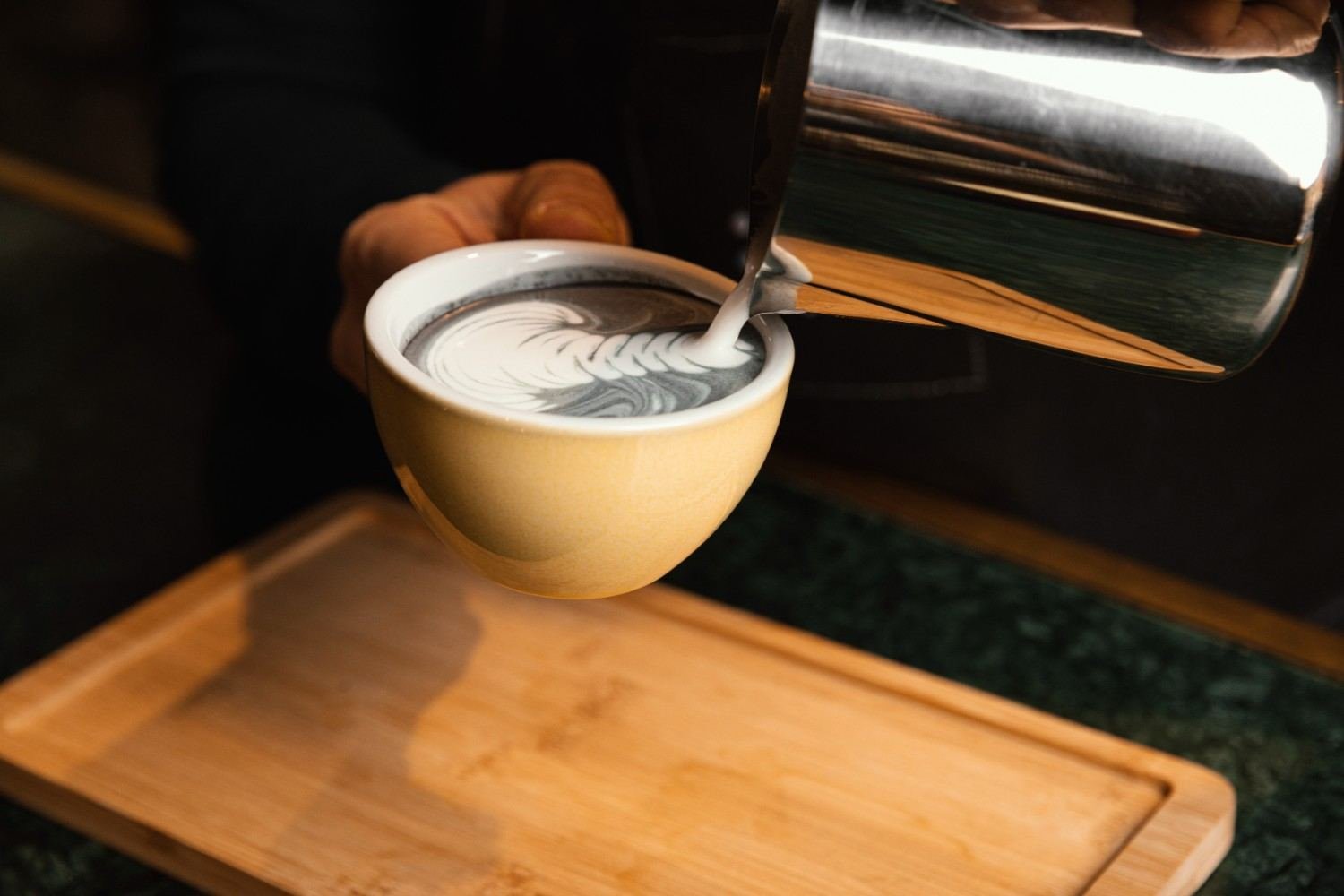
A latte can go wrong long before the milk hits the cup. If the coffee is too weak, it disappears under the milk. If the milk gets too hot or foamy, the drink loses that smooth café-style texture. I found that getting those two details right matters far more than owning expensive equipment.
When I learned how to make a latte without an espresso machine, I stopped trying to copy professional equipment and started focusing on what a good latte actually needs: concentrated coffee and creamy, lightly aerated milk.
A Moka pot, AeroPress, French press, double-strength drip coffee, or even instant coffee can provide the base, while a handheld frother, whisk, French press, or jar can handle the milk.
With the right ratio and a few simple techniques, I can make a rich homemade latte using tools already found in most American kitchens.
What Is the Quickest Way to Make a Latte Without a Machine?
For one serving, I start with about 2 ounces of concentrated coffee and 6 to 8 ounces of milk. This creates roughly a 1:3 to 1:4 coffee-to-milk ratio, which gives me enough milk for a creamy texture without completely hiding the coffee. This simple ratio also works well when making a latte at home without an espresso machine.
I heat the milk to roughly 130°F to 150°F. It should be hot and steamy but never boiling. Then I froth it until it looks smooth and slightly increased in volume.
Finally, I pour the warm liquid milk into the strong coffee and add the thicker foam on top.
How Do I Make Strong Coffee for a Homemade Latte?

A common mistake is starting with normal-strength coffee. Once several ounces of milk are added, weak coffee can become almost flavorless.
Can I Use a Moka Pot Instead of Espresso?
A Moka pot is one of my preferred options because it produces concentrated stovetop coffee with enough intensity to stand up to milk.
I fill the lower chamber with water according to the manufacturer’s directions, add fine to medium-fine coffee to the basket without tightly tamping it, and brew over moderate heat. About 2 ounces of the finished coffee works well for a single latte.
The result is not technically espresso because it is brewed at much lower pressure, but the concentrated flavor makes it an excellent espresso substitute at home.
Can I Make a Latte With an AeroPress?
An AeroPress is another practical choice.
I use finely ground coffee with approximately 2 to 2.5 ounces of hot water rather than brewing a full cup. The goal is concentration. After a short brew, I press the coffee directly into my mug.
Because the finished coffee is stronger than regular drip coffee, it holds up well when I add steamed or frothed milk.
Can Regular Drip Coffee Work in a Latte?
Yes, but I make it stronger than usual.
I typically use more coffee grounds with less water, essentially creating double-strength drip coffee. A medium-dark or dark roast often works particularly well because its stronger flavor remains noticeable after the milk is added.
Can I Use Instant Coffee Instead of Espresso?
Instant coffee is the quickest solution when I do not have brewing equipment.
I dissolve strong instant coffee or instant espresso powder in only a small amount of hot water. For example, I can combine about 1 to 2 teaspoons of instant coffee with approximately 2 tablespoons of hot water.
I avoid turning it into a regular full cup because the extra water can make the finished latte taste thin.
How Do I Froth Milk Without a Steam Wand?
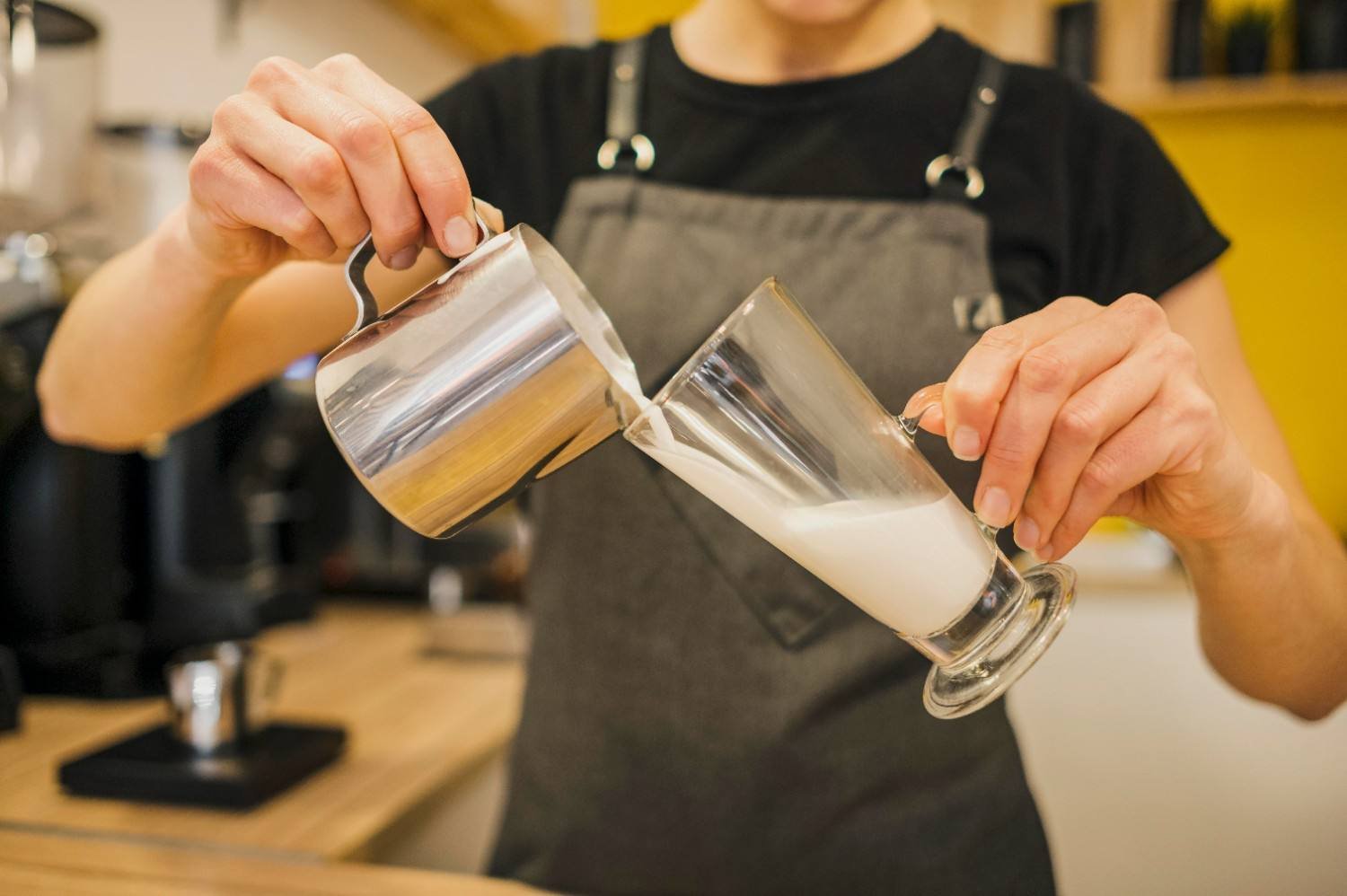
The milk is what gives a latte its soft, creamy body. Fortunately, several everyday kitchen tools can create foam.
How Do I Froth Milk With a Handheld Frother?
I heat 6 to 8 ounces of milk first. Then I position the frother near the surface briefly to introduce air before moving it slightly deeper.
I stop once the milk looks glossy and lightly foamy. I want smooth milk with small bubbles rather than stiff foam similar to what I might use for a cappuccino.
Can I Froth Milk With a French Press?
A French press works surprisingly well.
I pour warm milk into the press without filling it more than halfway. Then I pump the plunger rapidly for about 30 seconds. The milk expands as air becomes incorporated.
Afterward, I swirl the milk gently to help larger bubbles disappear.
Can I Froth Milk Without a Frother?
Yes. I can use a whisk or jar.
With a whisk, I vigorously whisk warm milk until a layer of foam develops. For the jar method, I leave plenty of space, secure the lid tightly, and shake for about 30 to 60 seconds.
The jar method tends to create larger bubbles than a proper frother, but it is useful when I want a latte without buying additional equipment.
How to Make a Homemade Latte Step by Step
When someone asks me how to make a latte without an espresso machine, I keep the actual recipe simple.
First, I prepare approximately 2 ounces of concentrated coffee using a Moka pot, AeroPress, strong French press, double-strength drip method, or instant coffee.
Next, I heat 6 to 8 ounces of milk to approximately 130°F to 150°F. I avoid boiling it because excessive heat can create an unpleasant cooked flavor.
I froth the warm milk with a handheld frother, French press, whisk, or jar. Then I pour the strong coffee into a wide mug. I hold back the thickest foam with a spoon while pouring in most of the warm milk, then spoon the remaining foam over the surface.
For extra flavor, I sometimes add vanilla syrup, caramel, maple syrup, cinnamon, cocoa powder, or brown sugar.
What Milk Makes the Creamiest Homemade Latte?
Whole milk is one of the easiest options because it creates a rich texture while still producing foam. Two percent milk makes a slightly lighter drink but also works well.
For dairy-free lattes, I generally prefer barista-style oat milk. It tends to have more body than many standard plant-based milks and works especially well with coffee.
Soy milk can also foam effectively because of its protein content. Almond milk creates a lighter latte and can vary considerably between brands.
When choosing plant-based milk, I look for versions labeled “barista” because they are usually formulated specifically for coffee drinks.
Why Does My Homemade Latte Taste Weak?
Weak coffee is usually the problem rather than the milk.
If my finished latte tastes watery or overly milky, I strengthen the coffee base before reducing the milk. A Moka pot, concentrated AeroPress brew, or instant espresso can solve this quickly.
I also watch dilution. If I use regular coffee, too much brewing water plus 8 ounces of milk can create a drink that tastes more like warm milk than a latte.
Why Is My Latte Foam Full of Large Bubbles?
Large bubbles usually mean I added too much air too quickly.
With a handheld frother, I keep the tool near the surface only briefly before moving it deeper. After frothing, I gently tap the container on the counter and swirl the milk.
That simple step helps break up large bubbles and produces a smoother texture.
Can I Make an Iced Latte Without an Espresso Machine?
An iced latte is even easier because I do not have to heat or froth the milk.
I prepare about 2 ounces of concentrated coffee and let it cool slightly. Then I fill a glass with ice, add approximately 6 ounces of cold milk, and pour the coffee over it.
Vanilla, caramel, brown sugar, or maple syrup can be mixed in before serving. I keep the coffee strong because melting ice will gradually dilute the drink.
Frequently Asked Questions (FAQs)
Can I Use Normal Brewed Coffee for a Latte?
Yes. I recommend brewing it at about double the normal strength so the coffee flavor remains noticeable after adding milk.
What Is a Good Coffee-to-Milk Ratio for a Homemade Latte?
I usually start around 1 part concentrated coffee to 3 parts milk. Two ounces of strong coffee with 6 ounces of milk is an easy starting point.
Can I Make a Latte Without a Milk Frother?
Yes. A French press, whisk, or sealed jar can create foam without a dedicated milk frother or steam wand.
Is a Moka Pot or AeroPress Better for Homemade Lattes?
Both work well. A Moka pot creates a naturally concentrated stovetop brew, while an AeroPress gives me more control over coffee strength and brewing variables.
Final Thoughts
Learning how to make a latte without an espresso machine changed the way I make coffee at home. I no longer see professional equipment as essential for getting a rich, creamy drink.
The biggest difference comes from concentrating the coffee before adding milk. After that, I heat the milk gently, create smooth foam, and keep the ratio around 1:3 or 1:4. Whether I use a Moka pot, AeroPress, French press, double-strength drip coffee, or instant coffee, those basic principles help me create a balanced latte with ordinary kitchen equipment.
Leave a Reply