
A garnish can change a cocktail before it reaches your lips. Smell is a major part of flavor perception, so the best cocktail garnish ideas for home bartenders do more than make a glass photogenic: they add aroma, reinforce flavor, create texture, or signal what is inside the drink. Research on flavor perception confirms that olfaction plays an important role in the way people experience foods and beverages. The useful question is not “What looks fancy?” It is “What does this garnish contribute?”
Use the Four-Jobs Test
A good garnish should do at least one job: add aroma, add flavor, change texture, or improve visual recognition.
A lemon twist on a Martini adds citrus oil. A half salt rim changes selected sips instead of the entire drink. A cucumber ribbon gives a gin highball a fresh aroma. A dark cocktail cherry adds a rich final bite to an Old Fashioned or Manhattan.
| Garnish | Best match | Main benefit |
| Citrus twist | Martinis, Old Fashioneds, highballs | Aroma |
| Mint or rosemary | Juleps, Mojitos, gin or whiskey drinks | Aroma and flavor |
| Salt, sugar, or spice rim | Margaritas, Palomas, sours | Flavor and texture |
| Cucumber ribbon | Gimlets, Collins-style drinks | Freshness and appearance |
| Dark cocktail cherry | Manhattan, Old Fashioned | Sweet finish |
| Dehydrated citrus | Spritzes, sours, zero-proof drinks | Appearance and lower waste |
If a garnish does none of these things, it is probably clutter.
Citrus Gives the Biggest Return
Lemons, limes, oranges, and grapefruit are inexpensive and useful across classic and modern drinks.
Express the Peel
Cut a broad strip of peel with a vegetable peeler, leaving behind as much white pith as practical. Hold the colored side over the cocktail and bend it sharply. The fine spray is aromatic citrus oil.
For a stronger effect, rub the peel lightly around the outer rim before placing it in the glass. A short peel coin is easiest for beginners; a long twist looks more polished.
You can also lightly toast a peel on a heat-safe surface for a smoky note. The goal is fragrance, not a blackened rind. If using a kitchen torch feels awkward, skip it.
Make Dehydrated Wheels
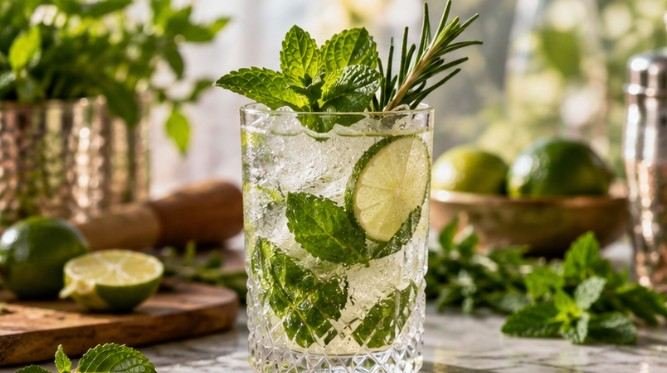
Dried citrus wheels look polished and reduce last-minute prep. Penn State Extension recommends uniform slicing because pieces of similar thickness dry more evenly.
The National Center for Home Food Preservation advises storing dried foods in cool, dry, dark conditions and checking them for moisture during storage.
Slice citrus into thin rounds, arrange without overlapping, and dry in a dehydrator until the centers no longer feel wet. Cool completely before sealing. Discard any garnish that later develops mold.
Treat Herbs Like Aromatic Ingredients
For mint, place the sprig in one palm and clap it gently with the other hand. This releases aroma without shredding the leaves. Position it near the drinking edge so the nose encounters it with each sip.
Rosemary suits bourbon, rye, gin, citrus, and winter drinks. Basil works well with strawberry, cucumber, lemon, and gin, while thyme suits subtler citrus or honey drinks.
A useful rule is to smell the herb beside the finished drink before adding it. If the herb overwhelms everything else from several inches away, use a smaller sprig.
Use Edible Flowers Carefully
A flower can be beautiful and still be unsuitable for a cocktail.
Colorado State University Extension edible-flower guidance stresses correct identification and advises against using flowers from florists, nurseries, or garden centers because they may have been treated with chemicals not intended for food.
Food-grown pansies, violets, nasturtiums, borage, and culinary herb blossoms can provide color without dominating the drink. Use one bloom or a few petals rather than turning the glass into a bouquet.
This is also one area where appearance should never outrank safety. If you cannot positively identify a flower as edible and food-safe, leave it off the drink.
Build Rims That Improve the Sip
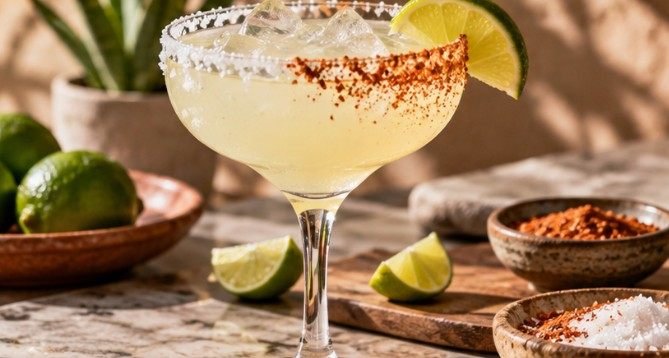
A full salt rim is useful for some drinks, but a half-rim gives the drinker a choice between seasoned and unseasoned sips.
Run a citrus wedge along the outside edge of half the glass, then roll that section in kosher salt, superfine sugar, chili-lime seasoning, or citrus sugar. Keeping seasoning mostly outside helps prevent excess from falling into the cocktail.
For a modern variation, brush part of the rim with simple syrup and add freeze-dried strawberry powder or another finely ground, food-safe flavoring.
The flavor should still complement the drink. Chili-lime works naturally with tequila and grapefruit, while citrus sugar makes more sense with sparkling, berry, or dessert-style cocktails.
Use Vegetables and Cherries for Contrast
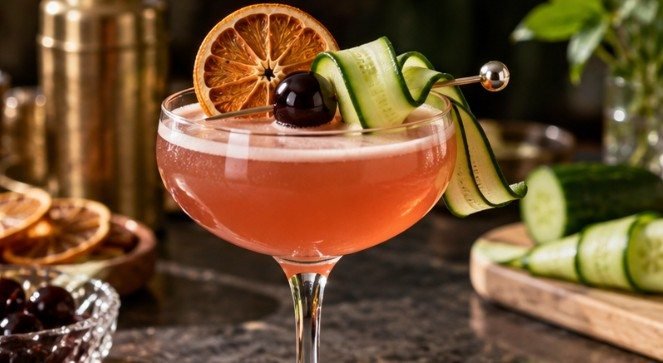
A vegetable peeler turns cucumber or carrot into an inexpensive ribbon garnish. Curl it around the inside of a tall glass or chill it briefly in ice water to help it hold shape.
Cucumber fits gin, vodka, elderflower, and citrus drinks. Carrot works better with ginger, spice, and savory flavors.
For Manhattans and Old Fashioneds, a dark cocktail or brandied cherry gives a richer finish. Drain excess syrup first so it does not change the drink more than intended.
Food Safety Is Part of Garnish Prep
The FDA recommends washing fresh produce under running water before cutting or eating it, including produce with skins or rinds you may not consume. It also advises against using soap or detergent on produce and recommends keeping perishable produce refrigerated at 40°F or below.
Wash lemons before peeling them, rinse cucumbers and herbs, use clean knives and boards, and keep perishable garnishes chilled until service.
This matters because garnishing usually happens at the final stage of drink preparation. There is no later cooking step to correct poor handling.
Set Up a Five-Minute Garnish Station
The easiest way to make low sugar cocktail options for home bartenders practical during a party is to prep a small station.
Wash and dry produce. Cut citrus wedges for rims and several peel strips. Wrap washed herbs loosely in a damp paper towel and refrigerate until needed. Put one rim seasoning in a shallow dish and keep cocktail cherries with a clean spoon or pick. Add dehydrated wheels for an option that does not wilt.
Then match one garnish to each drink. A deliberate single garnish usually looks more professional than several competing ones.
Three Mistakes to Avoid
First, avoid oversizing. A large orange wheel that blocks the drinking edge is inconvenient, not impressive.
Second, do not use decorative items that are not clearly food-safe, including unidentified flowers or craft glitter not labeled edible.
Third, watch intensity. Smoked citrus, rosemary, heavy chili rims, and strongly flavored syrups can overpower delicate drinks. The garnish should support the cocktail.
Frequently Asked Questions
1. What is the easiest cocktail garnish for beginners?
Start with a fresh lemon or orange twist. It is inexpensive, works with many drinks, and adds noticeable aroma when expressed over the surface.
2. Can I prepare cocktail garnishes ahead of time?
Yes. Make dried citrus well ahead. Keep washed herbs and cut fresh produce refrigerated, and prepare fragile garnishes close to serving time.
3. Are all flowers safe for cocktail garnishes?
No. Use only correctly identified edible flowers grown for food. Avoid flowers from florists, nurseries, roadsides, or unknown gardens.
4. How do I make home garnishes look professional?
Use sharp, clean cuts, keep the garnish proportional to the glass, repeat shapes consistently, and place it where it adds aroma without blocking the drinking edge.
Make Every Garnish Earn Its Place
The most effective cocktail garnish ideas for home bartenders are often the simplest. A properly expressed orange peel can contribute more than an overloaded skewer, while one fragrant mint sprig can change every sip. Start with washed citrus, fresh herbs, one dependable rim seasoning, and good cocktail cherries.
Add dehydrated fruit or edible flowers when the drink benefits from them. Judge each garnish by aroma, flavor, texture, and appearance, then remove anything that does not help. The goal is not to decorate the glass. It is to finish the drink.
Leave a Reply