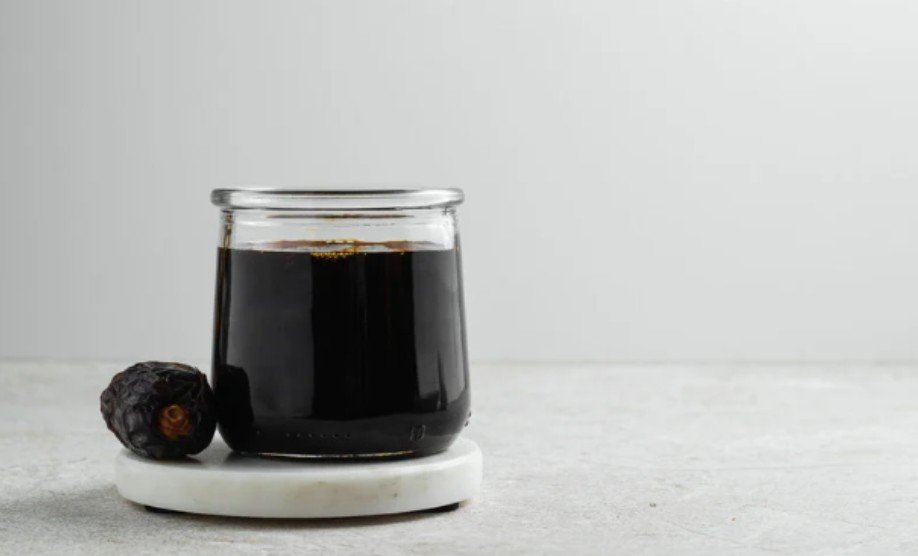
I once assumed every liquid sweetener performed essentially the same job. After using them in coffee, mocktails, sauces, and baked dishes, I discovered that the choice affects much more than sweetness. Flavor, color, consistency, and even the way a syrup mixes into a cold drink can change the final result.
The central difference in date syrup vs simple syrup is straightforward: date syrup contributes a rich fruit flavor, while simple syrup delivers clean, neutral sweetness. Date syrup works beautifully when caramel-like depth benefits the recipe. Simple syrup is generally better when the original flavors need to remain clear and unchanged.
What Is Date Syrup?
Date syrup is a dark liquid sweetener produced from dates and water. Traditional versions are often associated with Middle Eastern cooking and may also be sold as date molasses or silan. However, these names are not always interchangeable because commercial products can vary in thickness, concentration, and ingredients.
Authentic bottled date syrup is commonly produced by cooking dates in water, extracting their liquid, filtering it, and reducing it to a syrup. Homemade recipes sometimes blend softened dates with water instead. That creates a thicker, cloudier mixture closer to date paste than commercially extracted syrup.
Its flavor normally includes caramel, dried fruit, raisin, and mild molasses notes. The syrup’s dark color and assertive taste make it especially useful in coffee, oatmeal, yogurt, marinades, dressings, and richly flavored drinks.
What Is Simple Syrup?
Simple syrup is granulated sugar dissolved in water. Standard syrup ordinarily follows a 1:1 ratio of sugar to water, measured consistently by either weight or volume. Rich simple syrup uses two parts sugar to one part water.
Bartenders and home cooks value it because granulated sugar can dissolve slowly in cold liquids. Converting sugar into syrup allows sweetness to disperse evenly through iced coffee, lemonade, cocktails, and other chilled drinks.
Standard simple syrup has virtually no distinct flavor beyond sweetness. It also remains clear when white sugar is used. Rich syrup is thicker, sweeter, and introduces less additional water into a beverage.
How Do Their Flavors Compare?
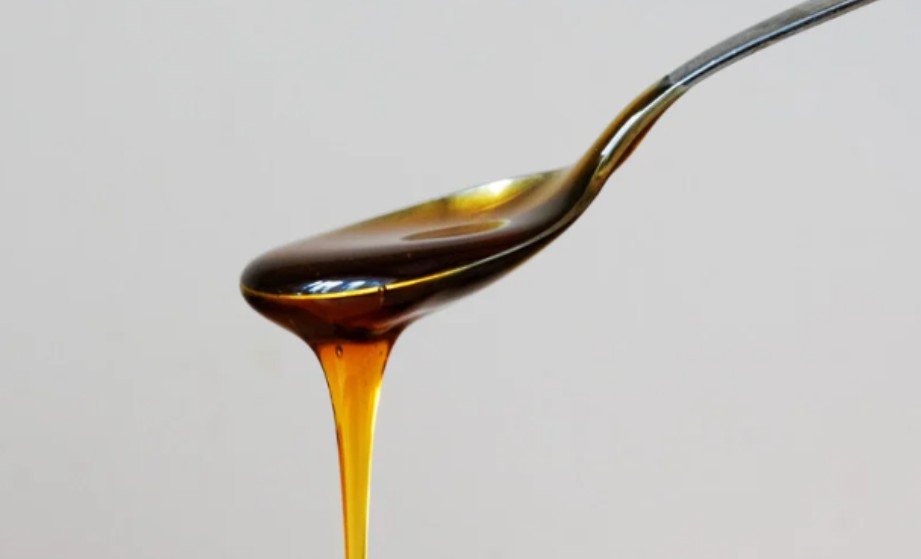
Date syrup has a recognizable personality. Its dark salty caramel and dried-fruit character can make a basic recipe taste warmer and more complex. It pairs particularly well with coffee, chocolate, cinnamon, citrus, nuts, aged spirits, and roasted ingredients.
Simple syrup is deliberately unobtrusive. It balances acidity or bitterness without introducing another major flavor. This makes it valuable in delicate lemon drinks, floral recipes, fruit beverages, and recipes in which the principal ingredient should remain dominant.
For a closer look at these sweeteners, see our Demerara syrup vs. simple syrup comparison.
Neither syrup has the universally better taste. Date syrup offers depth; simple syrup offers control.
Can Date Syrup Replace Simple Syrup?
Substitution is possible, but an automatic one-for-one exchange will not always produce the best result. Date syrup brands differ in concentration, thickness, and sweetness. Standard and rich simple syrups also have different sugar concentrations.
When replacing standard syrup, begin with approximately three-quarters of the requested quantity of date syrup. Mix or shake the recipe thoroughly, taste it, and add more if needed. For a drink calling for one ounce of simple syrup, starting with three-quarters of an ounce provides room for adjustment.
Thick date syrup can be loosened with warm water before being added to a cold beverage. This makes it easier to measure and prevents a dense layer from settling at the bottom.
Which Syrup Works Better in Drinks?
Cocktails and Mocktails
Simple syrup is the dependable choice when accurate balance and a neutral flavor matter. It works in citrus sours, lemonades, mojitos, and fruit-forward drinks without changing their intended profiles.
Date syrup is more effective in drinks designed around deeper flavors. It can complement bourbon, dark rum, coffee, orange, warming spices, and alcohol-free drinks containing roasted or nutty ingredients. Its dark color may change a pale drink’s appearance, while its thickness can create a fuller mouthfeel.
For another nut-based sweetener comparison, look out for orgeat syrup vs. almond syrup when choosing between different flavor profiles.
Commercial date syrup normally mixes more easily than blended homemade date syrup. A homemade version can contain fine particles and may require vigorous shaking or straining.
Coffee and Tea
Date syrup is particularly well suited to hot coffee because heat helps it disperse and its caramel character complements roasted beans. It also works in iced coffee if mixed into the warm coffee before ice is introduced.
Simple syrup remains preferable for iced tea or light herbal drinks when only sweetness is wanted. It dissolves immediately and does not obscure delicate flavors.
Which Is Better for Cooking and Baking?
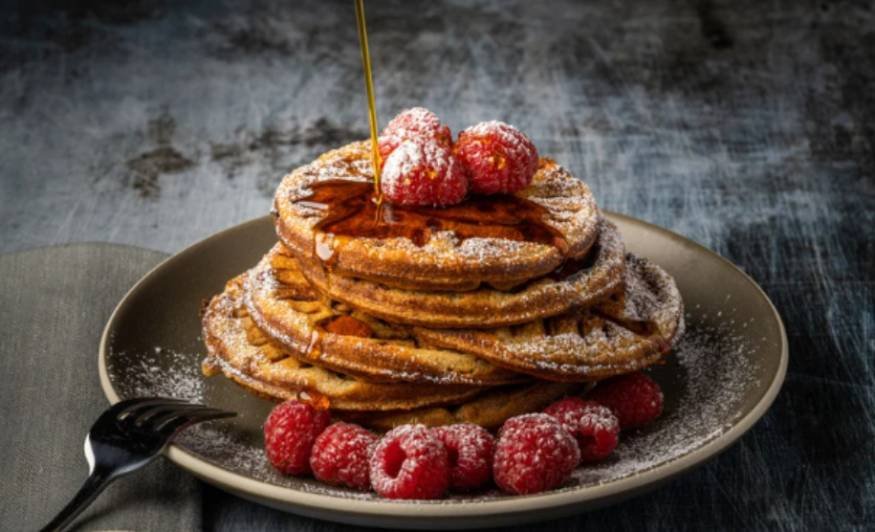
Date syrup can add color, moisture, and complexity to cakes, muffins, energy snacks, marinades, barbecue sauces, and salad dressings. However, replacing dry sugar with a liquid ingredient can affect a baked recipe’s moisture and structure. A tested recipe is safer than improvising a complete replacement.
Simple syrup is not normally used as the main sugar in cakes or cookies. It is better for moistening cake layers, sweetening sauces, glazing fruit, and preparing chilled desserts.
For pancakes, yogurt, porridge, or toast, date syrup provides a more distinctive topping. Simple syrup is better treated as a functional ingredient than a finishing syrup.
Is Date Syrup Healthier?
Date syrup may contain small quantities of minerals and plant compounds that refined sugar does not provide. Nevertheless, it remains a concentrated source of sugar and should not be treated as an unlimited health food.
The nutritional profile also depends on production. Whole dates contain fiber, but filtered syrup may retain little or none. A claim that applies to whole dates or ground date sugar should not automatically be applied to bottled syrup.
Simple syrup supplies sugar and water without meaningful micronutrients. Date syrup may therefore offer a modest nutritional advantage, but portion size still matters.
Anyone managing diabetes or another condition affected by sugar should follow qualified medical guidance instead of relying on broad claims about “natural” sweeteners.
For another comparison of liquid sweeteners, see honey syrup vs. simple syrup to understand how their flavor and sweetness differ.
Storage and Shelf Life
Homemade simple syrup should be stored in a clean, sealed container in the refrigerator. A 1:1 syrup generally has a shorter usable life than concentrated 2:1 syrup. Any cloudiness, bubbling, unusual odor, or visible mold means it should be discarded.
Commercial date syrup should be stored according to its label. Homemade blended date syrup is more perishable and needs refrigeration. Always use clean utensils to prevent introducing moisture or microorganisms.
Frequently Asked Questions
1. Is date syrup sweeter than simple syrup?
Not consistently. Sweetness varies by date variety, manufacturing method, brand, and the concentration of the simple syrup being compared. Taste and adjust rather than depending on a universal measurement.
2. Can date syrup be used in cold drinks?
Yes, although thick date syrup may need vigorous shaking or dilution with a little warm water. Commercial filtered products normally mix more smoothly than homemade blended versions.
3. Which is better for cocktails?
In date syrup vs simple syrup, simple syrup is better for neutral sweetness and predictable balance. Date syrup is better when caramel, dried-fruit, or molasses-like flavors support the spirit and other ingredients.
4. Does date syrup contain fiber?
Some products contain little or no fiber because solids are filtered during processing. Check the nutrition label rather than assuming syrup retains the fiber found in whole dates.
The Final Pour
I would choose simple syrup when I want precision, clarity, and sweetness that stays in the background. It remains the most flexible option for light drinks, fruit recipes, and occasions where consistency is important.
I reach for date syrup when flavor is part of the objective. It can give coffee, sauces, desserts, and darker drinks an appealing caramel-fruit character that ordinary sugar syrup cannot reproduce. Ultimately, date syrup vs simple syrup is not about finding one permanent winner. It is about deciding whether a recipe needs neutral sweetness or an additional layer of flavor.
Leave a Reply