A cocktail shaker is useful, but it is not what makes a cocktail work. Some of the best-known drinks are supposed to be built or stirred directly in the glass. That makes cocktails you can make without a shaker ideal for apartment kitchens, vacation rentals, backyard parties, or anyone who wants a good drink without buying barware.
The real skill is knowing what shaking actually does—and when you can skip it.
What a Shaker Does, and When You Do Not Need One
Shaking chills, dilutes, mixes, and aerates a drink. It is especially useful for cocktails containing citrus juice, dairy, egg white, fruit puree, or thick syrup.
But many drinks need only cold ingredients and controlled stirring. Spirit-forward cocktails are often stirred, while highballs and spritzes are usually built over ice. Carbonated ingredients should be added last rather than sealed and shaken.
A useful shortcut is simple: build fizzy drinks, stir clear spirit-heavy drinks, and use an improvised shaker only when noncarbonated ingredients resist mixing.
7 Easy No-Shaker Cocktails to Make at Home
| Drink | Easy Home Ratio | Method |
| Whiskey Highball | 1.5 oz whiskey + 4–5 oz soda water | Build over ice |
| Gin and Tonic | 1.5 oz gin + 4–5 oz tonic | Build and stir gently |
| Ranch Water | 1.5 oz tequila + 0.5 oz lime + mineral water | Build over ice |
| Bay Breeze | 1.5 oz vodka + cranberry + pineapple juice | Build and stir |
| Aperol Spritz | 3 parts sparkling wine + 2 Aperol + 1 soda | Build gently |
| Old Fashioned | 2 oz whiskey + sweetener + bitters | Stir with ice |
| Negroni | Equal parts gin, Campari, sweet vermouth | Stir with ice |
Highballs Are the Simplest Starting Point
A whiskey highball or gin and tonic needs little more than a cold glass and plenty of ice. Add the measured spirit, top with the carbonated mixer, and stir once or twice.
Avoid aggressive stirring. The more you disturb a carbonated mixer, the faster it loses its crisp texture.
Ranch Water: A Three-Ingredient Template
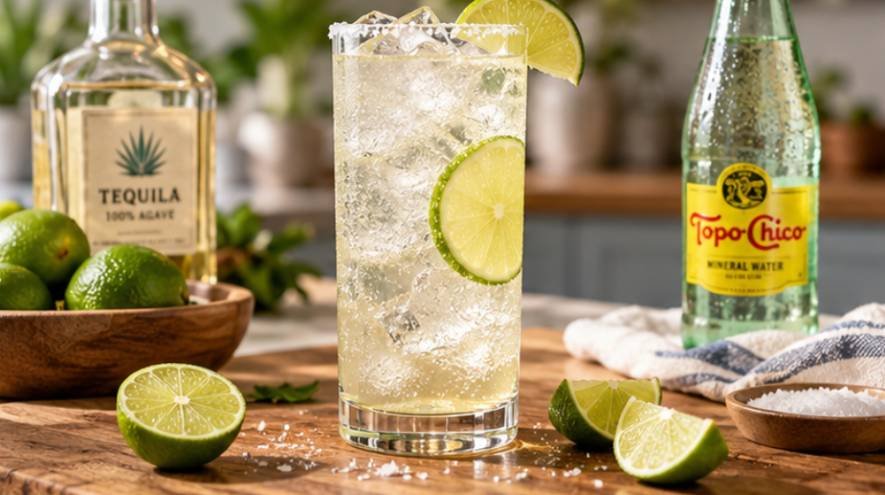
Ranch Water combines tequila, fresh lime juice, and sparkling mineral water. Pour tequila and lime over ice, stir briefly, and add sparkling water last.
If the lime makes the drink too sharp, small adjustments to sweetness or dilution can help restore balance; see this guide on how to fix a cocktail that is too sour.
Before cutting lemons, limes, oranges, or grapefruit, the FDA recommends rinsing produce thoroughly under running water, including fruits whose peels will not be eaten.
That matters for cocktail garnishes because cutting through an unwashed peel can transfer surface contamination to the interior.
Bay Breeze: Fruit-Forward and Forgiving
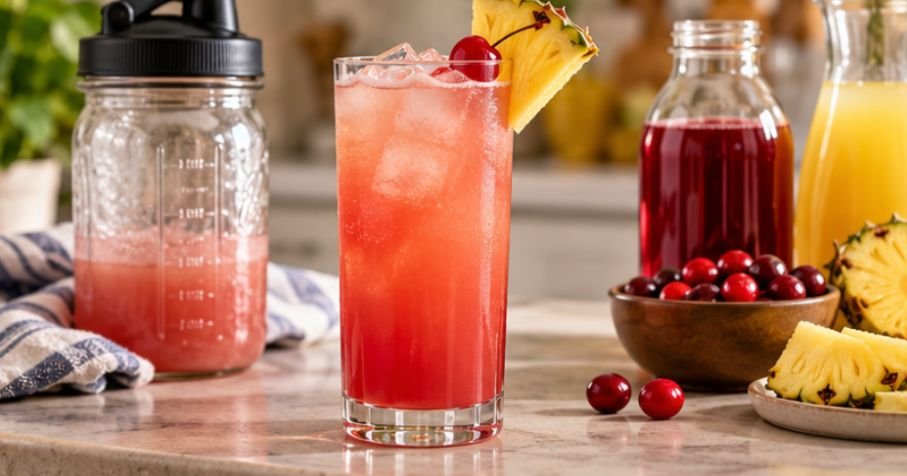
Pour vodka over ice, add cranberry and pineapple juice, then stir until the color becomes even.
Equal portions of the two juices provide an easy starting point, but this drink is flexible. Increase the juice for a longer, lighter cocktail or add a little lime if the pineapple makes it too sweet.
For more ideas that use heat beyond the usual tequila-and-Margarita combination, explore these spicy cocktails beyond margaritas.
Aperol Spritz: Never Shake the Bubbles
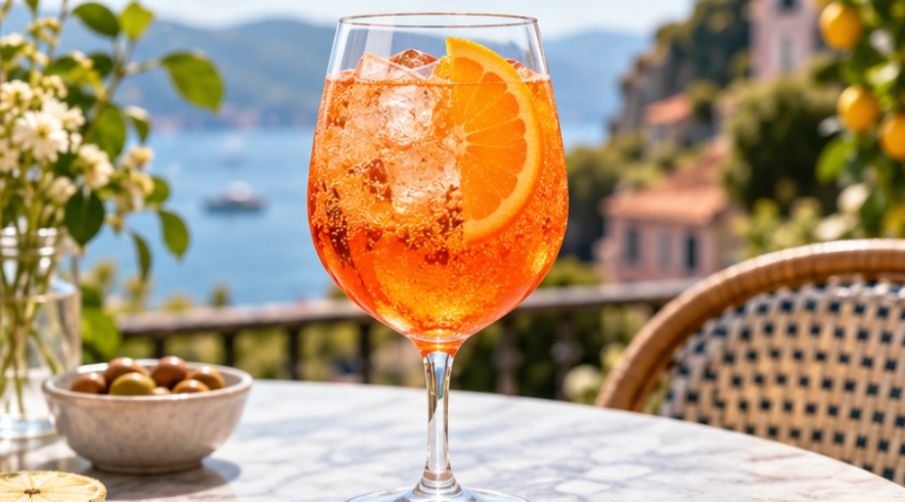
A spritz depends on carbonation, so shaking works against the drink. Fill a large wine glass with ice, add sparkling wine and Aperol, and finish with soda water.
The familiar 3:2:1 formula—three parts sparkling wine, two parts Aperol, one part soda—is easy to remember. An orange slice adds aroma without significantly changing the drink’s balance.
Old Fashioned: Stir for Better Control
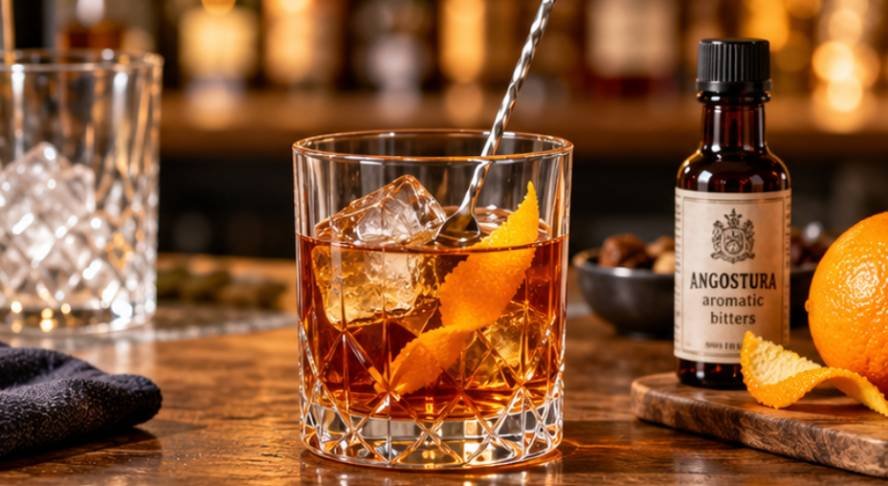
An Old Fashioned needs chilling and dilution rather than aeration. Combine whiskey, bitters, and a small amount of sugar or simple syrup with ice and stir until cold.
Simple syrup is especially convenient at home because it incorporates immediately. Granulated sugar should first be dissolved with a small amount of water.
Negroni: Remember the Equal-Parts Formula
A Negroni uses equal parts gin, Campari, and sweet vermouth. Stir the ingredients with ice and serve over fresh ice.
Its 1:1:1 ratio makes it one of the easiest classic recipes to remember. Its small serving size can be misleading, however, because all three principal ingredients contain alcohol.
No Jigger? Measure With a Tablespoon
Accuracy matters more than owning professional equipment.
The NIST kitchen measurement equivalencies lists one tablespoon as approximately 0.5 fluid ounce. Three tablespoons therefore equal about 1.5 fluid ounces.
That makes an ordinary tablespoon surprisingly useful for home cocktail preparation.
The National Institute on Alcohol Abuse and Alcoholism defines one U.S. standard drink as containing approximately 0.6 fluid ounce, or 14 grams, of pure alcohol. About 1.5 ounces of 40% ABV distilled spirits represents one standard drink.
A cocktail is not automatically one standard drink, however. Recipes can contain two or more drink equivalents depending on the quantities and alcohol concentrations used. The CDC similarly notes that alcohol content differs between products, so the physical size of the glass does not reliably indicate how much alcohol it contains.
What Can Replace a Cocktail Shaker?
Some cocktails you can make without a shaker still benefit from vigorous mixing. You simply need a safe substitute.
A clean mason jar, protein shaker bottle, reusable water bottle, or tightly sealing food-storage container can work. Add ice and all noncarbonated ingredients, secure the lid, shake for roughly 10–15 seconds, and strain through a small kitchen sieve if necessary.
Avoid fragile drinking glasses covered with plates or improvised lids. More importantly, never seal and shake tonic, soda, sparkling wine, or other carbonated ingredients. Add anything fizzy after shaking.
Use the Three-Question Mixing Test
Before making a drink, ask three questions.
Does the recipe contain carbonation? Build the cocktail in the serving glass and add the bubbles last.
Is it primarily spirits, bitters, or vermouth? Stir it over ice.
Does it contain citrus, cream, egg, fruit puree, or thick syrup that will not combine easily? Use a secure substitute shaker.
Fresh garnishes deserve attention too. Oregon State University Extension recommends washing fresh fruit and herbs, using clean beverage containers, and keeping prepared fruit-containing beverages cold.
Mistakes That Make No-Shaker Drinks Worse
The first is guessing the pour. Free-pouring can transform a balanced highball into a considerably stronger cocktail. Measure the alcohol first and adjust the mixer afterward.
The second is using too little ice. Plenty of cold ice chills a drink quickly and generally produces more predictable dilution than a few cubes floating in a warm glass.
The third mistake is assuming no shaker means no technique. Ingredient order, temperature, dilution, carbonation, and measurement still determine whether a drink tastes refreshing, watery, harsh, or flat.
Frequently Asked Questions
1. Can I make cocktails without any bar tools?
Yes. A glass, spoon, ice, and kitchen measuring spoon are enough for many highballs, spritzes, stirred cocktails, and juice-based mixed drinks.
2. What can I use instead of a cocktail shaker?
Use a clean mason jar, leakproof bottle, protein shaker, or tightly sealed food container. Only shake noncarbonated ingredients.
3. Which cocktails should not be shaken?
Carbonated drinks should not be sealed and shaken. Spirit-forward drinks such as an Old Fashioned or Negroni are also generally better stirred.
4. How do I measure 1.5 ounces without a jigger?
Use three level tablespoons. NIST lists one tablespoon as approximately half a fluid ounce.
A Better Drink Does Not Require Better Gear
The easiest cocktails you can make without a shaker are not inferior shortcuts. Their structure simply favors building or stirring. Start with accurate measurements, use plenty of cold ice, add carbonation last, and reach for a leakproof household container only when vigorous mixing genuinely improves the drink.
Just as importantly, know how much alcohol is actually going into the glass. Once those habits become automatic, a missing shaker stops being a limitation. Good cocktails depend far more on proportion, temperature, dilution, freshness, and restraint than on a specialized piece of stainless-steel equipment.
Leave a Reply