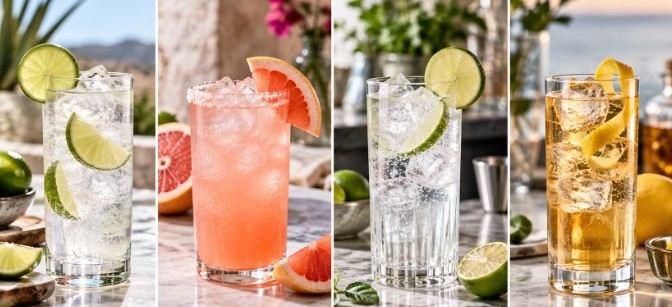
A cocktail can taste satisfyingly rounded without much added sugar. Aroma, acidity, bitterness, dilution, salt, and carbonation all influence how the palate perceives sweetness, which means syrup is only one tool for creating balance.
That is the key to low sugar cocktails that still taste balanced. Instead of removing syrup and hoping for the best, build structure with fresh citrus, bitter ingredients, herbs, mineral water, and spirits that bring their own flavor. The goal is a drink that tastes intentional, not a regular cocktail with something missing.
“Low Sugar” Is Not the Same as “Low Alcohol”
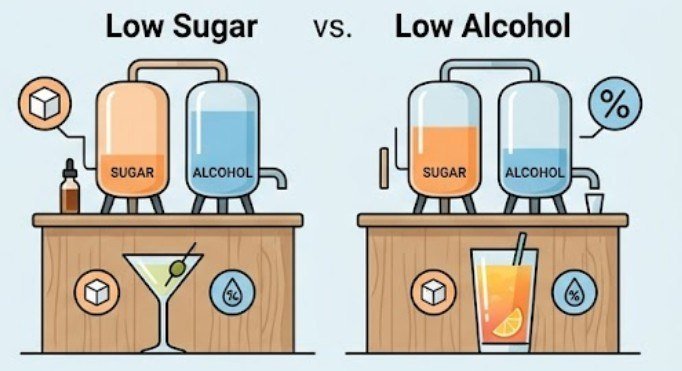
The first useful distinction is between sugar and alcohol.
The FDA’s guide to added sugars on Nutrition Facts labels separates total sugars from added sugars. Fruit juice, for example, contains naturally occurring sugar even when no sweetener has been added. The FDA also considers 5% Daily Value or less a low amount of added sugar on a packaged-food label.
Alcohol is a separate issue. The National Institute on Alcohol Abuse and Alcoholism defines one U.S. standard drink as 14 grams of pure alcohol, roughly the amount in 1.5 ounces of 80-proof distilled spirits. NIAAA’s standard drink reference is useful when assessing cocktail portions.
So a dry martini may contain little sugar yet deliver substantial alcohol, while a juice-based drink may contain more natural sugar without any simple syrup.
The Balance Formula: Acid + Aroma + Bitterness + Dilution
Classic cocktails often depend on tension among spirit, acidity, sweetness, and water. When sugar drops, the other elements need to become more precise.
Fresh lemon, lime, and grapefruit provide acidity. Citrus peel, cucumber, ginger, and herbs contribute aroma. Bitters create complexity, while soda water supplies dilution and texture without added sugar.
The American Heart Association’s added sugar guidance recommends keeping added sugars below 6% of daily calories. It also identifies sweetened beverages as an important source of added sugar in the American diet.
That does not make a low-sugar cocktail a health drink. It simply explains why replacing sugary mixers can significantly change the added-sugar content of a glass.
Six Low-Sugar Cocktail Templates That Keep Their Balance
| Drink | Why It Works | Sugar Trap to Avoid |
| Ranch Water | Lime, tequila, mineral-water lift | Sweetened sparkling water |
| Fresh Paloma | Grapefruit bitterness and acidity | Grapefruit soda |
| Gin Rickey | Lime and botanical gin | Sweetened lime cordial |
| Dry Martini | Vermouth, aroma, dilution | Sweet vermouth |
| Whiskey Highball | Oak, spice, cold soda | Cola or ginger ale |
| Citrus-Herb Vodka Soda | Citrus oils and herbs | Sweet flavored soda |
Ranch Water
For people who don’t like sweet drinks, use about 1.5 ounces of blanco tequila, fresh lime juice, plenty of ice, and unsweetened sparkling mineral water. The carbonation softens the intensity of the spirit while lime gives the drink enough acidity to remain lively.
If it tastes too sharp, try more soda or colder ice before reaching for syrup. Dilution may be the missing ingredient.
Fresh Grapefruit Paloma
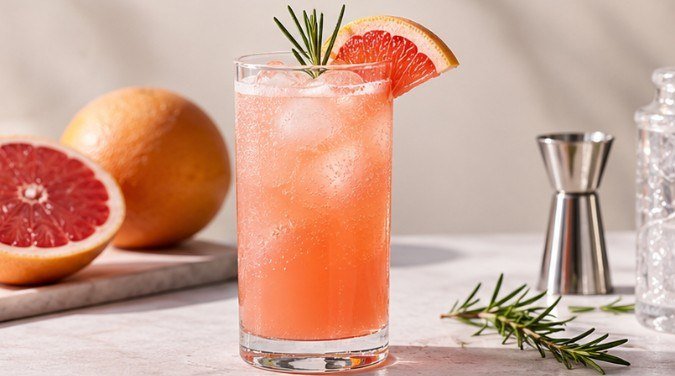
Combine tequila with fresh grapefruit juice, a smaller squeeze of lime, ice, and club soda. Grapefruit contributes acidity, bitterness, aroma, and some natural fruit sugar, allowing the drink to feel rounded without sugary grapefruit soda.
Harvard T.H. Chan School of Public Health’s overview of sugary drinks points out that fruit juice can still contain substantial naturally occurring sugar despite having no added sweetener.
In other words, “no added sugar” and “low total sugar” are not interchangeable claims.
Gin Rickey
Gin, lime, ice, and club soda create one of the simplest low-sugar templates. Botanical gin supplies juniper, citrus, spice, and floral characteristics that give the drink complexity without requiring much sweetness.
If the drink seems aggressively tart, reduce the lime slightly rather than automatically adding syrup.
Dry or Dirty Martini
A dry martini succeeds because it is savory and aromatic by design. Gin or vodka, dry vermouth, careful dilution, proper chilling, and lemon oil or olive brine create complexity without relying on simple syrup.
Do not automatically describe every martini as sugar-free. Dry vermouth can contain residual sugar, and formulations differ among producers.
Whiskey Highball
Whiskey, very cold soda water, clear ice, and citrus peel can produce a remarkably balanced drink without added sweetener.
Whiskey already contributes vanilla, grain, oak, smoke, caramel-like aromas, or spice depending on the style. Carbonation opens those flavors while keeping the drink refreshing.
The common mistake is replacing soda with cola or sweet ginger ale, which changes the sugar content considerably.
Citrus-Herb Vodka Soda
Vodka soda sometimes tastes flat because it lacks contrast, not because it lacks sugar.
Add expressed lemon or grapefruit peel, cucumber, mint, basil, rosemary, ginger, or a dash of bitters. Aromatic ingredients make a simple highball feel layered while contributing little or no sweetness.
A 60-Second Test Before You Add Sugar
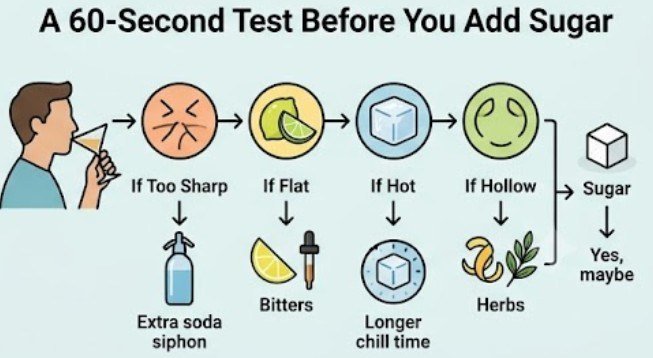
Before reaching for simple syrup, taste the cocktail and identify what is actually wrong.
If it is too sharp, add dilution through ice or soda. If it seems flat, add acidity or bitters. If the alcohol tastes hot, chill the drink longer or lengthen it with sparkling water. If it feels hollow, express citrus peel over the surface or introduce fresh herbs.
Only after those adjustments should you add sweetness. Start with a very small quantity because even a minor addition can noticeably change the balance.
This “diagnose before sweetening” method is more useful than mechanically cutting every cocktail recipe’s syrup in half.
Where Hidden Sugar Enters the Glass
The largest sources are often mixers rather than the base spirit.
Regular tonic water, ginger beer, cola, lemonade, bottled sour mix, cranberry drinks, flavored syrups, and premade margarita mixes can all add significant sweetness.
The FDA recommends comparing packaged products using the Nutrition Facts panel, including the number of grams of added sugars per serving. Serving size matters too: using an entire bottle may mean consuming more than the listed single serving.
Honey, agave nectar, maple syrup, and so-called natural cocktail syrups also count as added sugars. Switching from white sugar to agave may alter flavor, but it does not eliminate added sugar.
Less Sugar Does Not Cancel Alcohol Risk
A cocktail with less sugar may better suit someone’s taste or dietary goals, but alcohol itself still has health implications.
The CDC’s current guidance on alcohol use states that drinking less alcohol is better for health than drinking more. The agency also advises that certain people should avoid alcohol entirely, including people who are pregnant or under 21 and some people taking medications or managing particular medical conditions.
If sugar restriction relates to diabetes, medication use, or another medical condition, cocktail substitutions should not replace individualized medical advice.
Frequently Asked Questions
1.What is the best mixer for a low-sugar cocktail?
Plain club soda, sparkling mineral water, unsweetened tea, and fresh citrus provide flavor, acidity, or texture without depending heavily on added sugar.
2. Are fresh fruit cocktails considered low sugar?
Sometimes. Fresh fruit contains natural sugar, so a drink can have no added sugar while still containing a meaningful amount of total sugar.
3. How do I make low sugar cocktails that still taste balanced?
Use fresh acid, aromatic garnishes, bitters, proper chilling, and controlled dilution. Adjust those elements before deciding that more sweetener is necessary.
4. Is tonic water low in sugar?
Regular tonic water is commonly sweetened. Check the Nutrition Facts label. Diet and zero-sugar tonic reduce added sugar, although sweeteners and flavor profiles vary among brands.
Final Pour
The best low-sugar drinks work not because sweetness simply disappears, but because other ingredients take over its structural role. Lime creates tension, grapefruit supplies bitterness, herbs add aroma, bubbles produce lift, and flavorful spirits provide character.
That is why low sugar cocktails that still taste balanced should be built rather than merely stripped down. Start with a simple recipe, taste before sweetening, and let acidity, aroma, bitterness, temperature, and dilution do more of the work. A drink that feels complete with less sugar is not a compromise. It is better balance by design.
Leave a Reply