A drink can taste aggressively sour even when its pH does not look extreme. Researchers at the UC Davis Coffee Center found in coffee research that perceived sourness tracked titratable acidity—the amount of acid available to react—more closely than pH alone. It is a useful lesson for mixed drinks: balance is sensory, not just chemical.
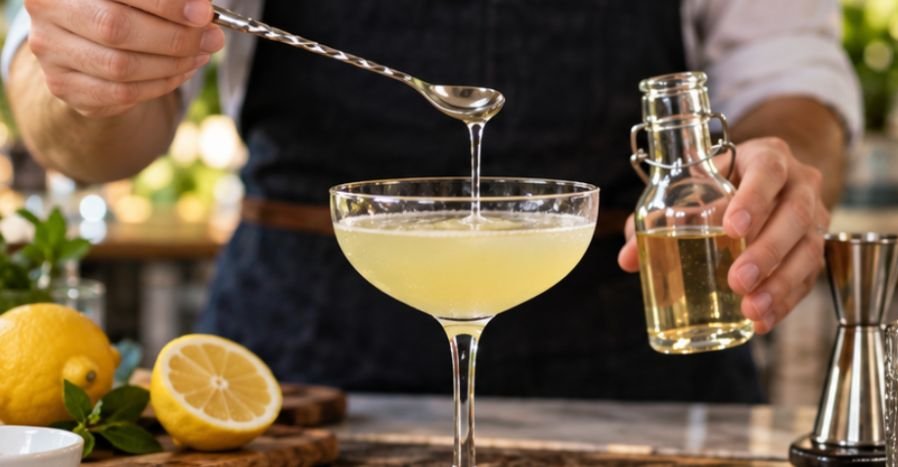
If you are wondering how to fix a cocktail that is too sour, the safest first move is small and measurable: add about one bar spoon of simple syrup, stir, taste, and repeat only if needed. Dilution, a compatible sweet liqueur, or a modest amount of base spirit can also restore balance.
Why a Cocktail Tastes Too Sour
Most sour cocktails depend on tension between spirit, acid, sweetness, and water. Lime, lemon, grapefruit, shrubs, verjus, and acid-adjusted juices contribute acidity, while syrup or liqueur changes how strongly that acidity is perceived.
Research indexed by the National Institutes of Health found that sucrose and citric acid can suppress each other’s perceived intensity. In practical terms, a small sugar adjustment can make a tart drink seem considerably less sharp without removing any acid from the glass.
The Institute of Food Technologists likewise describes taste as an interacting system rather than a collection of completely independent sensations. Sweetness, saltiness, bitterness, sourness, aroma, and mouthfeel can influence the overall impression of a beverage.
That helps explain why a cold, correctly diluted daiquiri may taste bright and refreshing while the same formula served warm and concentrated seems aggressively acidic.
Use This 60-Second Rescue Test
Taste the cocktail once, then decide whether it is truly too tart, excessively strong, under-diluted, or simply missing sweetness.
| What you taste | Likely problem | First correction |
| Sharp, puckering acidity | Too much citrus or too little sugar | Add 1 bar spoon simple syrup |
| Sour and hot with alcohol | Insufficient dilution | Stir or shake briefly with fresh ice |
| Sour but otherwise flavorful | Formula is acid-heavy | Add 1/4 oz compatible sweetener |
| Tart and weak | Too much juice or mixer | Add 1/4 oz base spirit, then retaste |
| Sour with a hollow finish | Missing body or aroma | Try honey syrup, agave, or suitable liqueur |
Change only one thing at a time. Otherwise, you lose track of which adjustment actually corrected the imbalance.
Step 1: Add Sweetener in Tiny Increments
Simple syrup is usually the most dependable correction because it adds sweetness without introducing a strong new flavor. Start with one bar spoon, roughly a teaspoon. Stir thoroughly before tasting again.
If the cocktail remains too tart, add another small measure. Around a quarter-ounce total may be enough for a single drink; beyond that point, reassess instead of pouring freely.
The sweetener can also match the spirit. Agave works naturally with tequila or mezcal, honey syrup adds body to whiskey and many gin drinks, and demerara syrup complements aged rum or darker spirits.
Step 2: Check Dilution Before Adding More Sugar
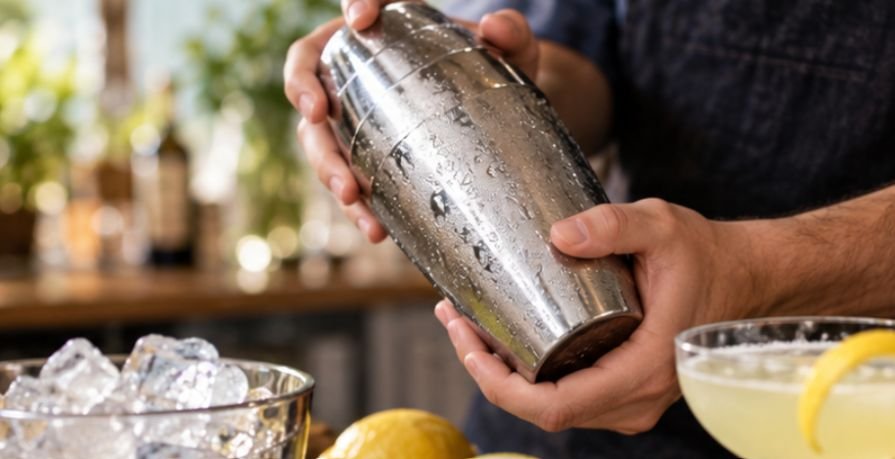
Sometimes the recipe is correct but under-diluted. Melting ice lowers the concentration of acid, sugar, and alcohol simultaneously.
If the cocktail was shaken too briefly, give it a little more time with fresh ice and taste again. For an already strained drink, a teaspoon or two of cold water can soften concentrated acidity without making the cocktail sweeter.
This is especially useful when the drink already has enough sugar but still feels tight, hot, or intensely citrus-forward.
Step 3: Use a Liqueur When It Fits
Orange liqueur can rescue a margarita because it contributes sweetness and citrus aroma while supporting flavors already present in the recipe.
Other modifiers can serve the same purpose when appropriate. A fruit, floral, nut, or herbal liqueur may add both sweetness and missing aromatic depth.
The technique is not universal. A modifier that fixes acidity can also change the identity of the cocktail, so use it only when its flavor makes sense.
Step 4: Add Base Spirit Carefully
If too much citrus was accidentally poured, another quarter-ounce of whiskey, rum, gin, vodka, or tequila may bring the proportions closer to the intended recipe.
Mix thoroughly and retaste before adding more.
The drawback is alcohol strength. The National Institute on Alcohol Abuse and Alcoholism defines a U.S. standard drink as containing about 14 grams, or 0.6 fluid ounces, of pure alcohol, and a single cocktail can contain more than one standard drink.
If you are correcting a drink for someone else, adding water or dividing the cocktail into two servings may be preferable to simply increasing the spirit.
Three Quick Real-World Fixes
Margarita
If a margarita made with 2 ounces of tequila and 1 ounce of lime tastes severe, add a bar spoon of agave or simple syrup first.
When serving a corrected Margarita, the right glass can also improve the experience; see these essential home bar glassware for beginners for practical options.
If it still lacks roundness, a modest amount of orange liqueur may improve both sweetness and aroma.
Whiskey Sour
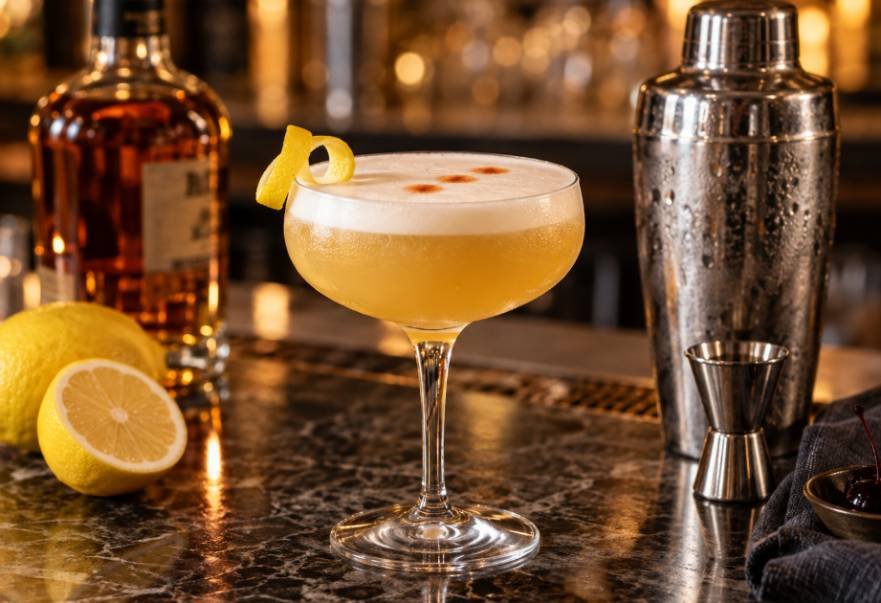
For a whiskey sour that tastes unusually sharp, increase syrup in small increments. If the drink also feels hot and concentrated, extra dilution may work better than continuing to add sugar.
Daiquiri
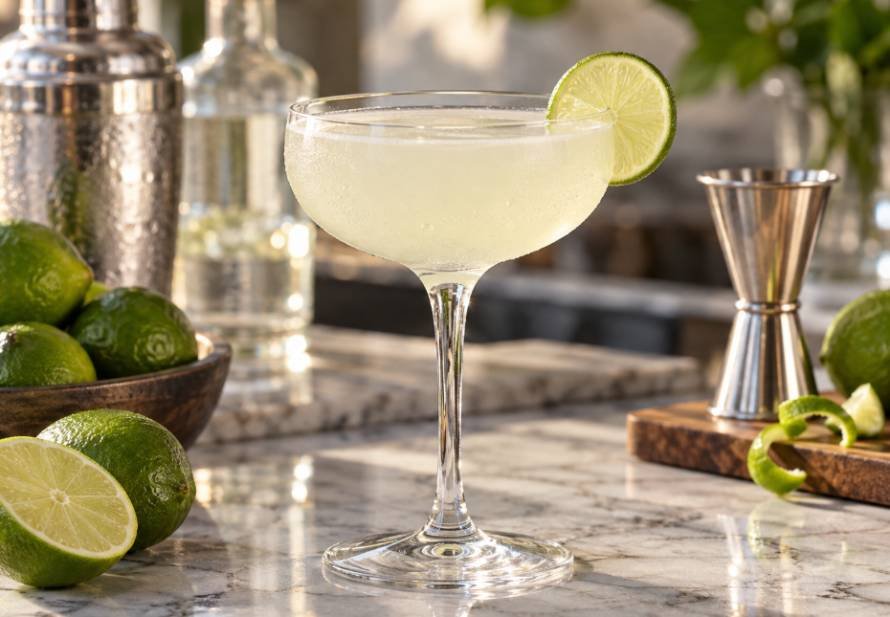
A daiquiri exposes imbalance quickly because rum, lime, and sugar have little to hide behind. If lime dominates, adjust syrup teaspoon by teaspoon. Avoid flavored liqueurs unless you intentionally want a variation.
Fixes That Usually Backfire
Do not keep adding sugar until the acidity disappears. Sweetness can mask sourness so effectively that the cocktail becomes cloying once it warms or the ice begins to melt.
Baking soda is another poor shortcut. It reacts with acids, but that reaction can cause foaming and alter the drink’s flavor. The American Chemical Society demonstrates acid and baking-soda reactions in its educational chemistry materials; useful science, but not a precision bartending technique.
Also confirm that the unpleasant flavor is actually sourness. The MedlinePlus medical reference distinguishes sour, bitter, sweet, and salty as separate taste sensations. Grapefruit peel, tonic water, burned citrus, or herbal ingredients may produce bitterness rather than excess acidity.
If you enjoy experimenting with grapefruit in tequila drinks, cocktails with reposado tequila can show how grapefruit’s bitterness and acidity interact with the spirit’s oak and spice notes.
Adding syrup to genuine bitterness may soften the drink, but it does not solve the same problem as excessive lemon or lime.
Frequently Asked Questions
1. How much simple syrup should I add to a sour cocktail?
Start with one bar spoon, roughly a teaspoon. Stir completely and taste before adding more. Small corrections reduce the risk of making the cocktail excessively sweet.
2. Can water fix an overly sour drink?
Yes. A teaspoon or two of cold water, or slightly more ice dilution, can soften concentrated acidity without adding extra sweetness or alcohol.
3. How to fix a cocktail that is too sour without simple syrup?
Try agave, honey syrup, a compatible sweet liqueur, or controlled dilution. Choose the correction that best matches the drink’s existing flavor profile.
4. Does adding more alcohol make a cocktail less sour?
It can rebalance excess citrus, but it also increases total alcohol. Use a measured amount and consider dilution instead when additional strength is unnecessary.
The Last Sip
A sour cocktail rarely needs a dramatic rescue. It needs a diagnosis. Start with the smallest change—usually a bar spoon of syrup—then check dilution, aroma, body, and the original spirit-to-acid ratio.
This approach works because taste is interactive: sweetness can soften perceived sourness, water reduces concentration, and the right modifier can restore missing flavor.
The useful habit is simple: measure every correction and taste after each one. A drink that seems ruined can often return to balance with less than a quarter-ounce of the right ingredient.
Leave a Reply