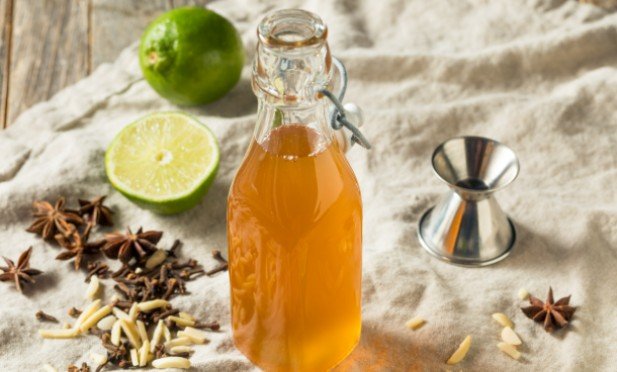
The first time I encountered these two tropical mixers, I assumed they were variations of the same almond syrup. Both appeared in rum cocktails, both added sweetness, and both had unfamiliar names. Once I tasted them separately, however, the difference became obvious. Falernum vs orgeat is really a comparison between lively citrus spice and smooth almond richness.
Although the ingredients occasionally overlap, these mixers perform different jobs. Orgeat softens a drink with creamy nuttiness and floral fragrance. Falernum creates energy through lime, ginger, cloves, and other warming spices. Understanding that distinction makes it easier to balance tropical cocktails without losing their intended character.
What Is Orgeat?
Orgeat, pronounced “or-zhat,” is a sweet syrup traditionally associated with almonds, sugar, and orange blossom or rose water. Modern products may also include water, stabilizers, preservatives, and natural flavoring. Quality recipes use real nuts or nut milk to create a fuller texture.
Its flavor resembles almond paste or marzipan, but good orgeat should not taste like liquid candy. The floral component lifts the almond flavor and keeps the syrup from feeling excessively heavy. Its creamy body can round off sharp citrus and off sharp citrus and connect strong rum with fruit juice.
Orgeat is generally nonalcoholic, although consumers should still inspect the product label. It is best known as an essential Mai Tai ingredient, but it also appears in the Japanese Cocktail, Army & Navy, Fog Cutter, and numerous modern drinks.
Despite its present association with almonds, early versions were connected with barley. Its name comes from “orge,” the French word for barley. Over time, almond-based formulations became the familiar standard used behind modern bars.
What Is Falernum?
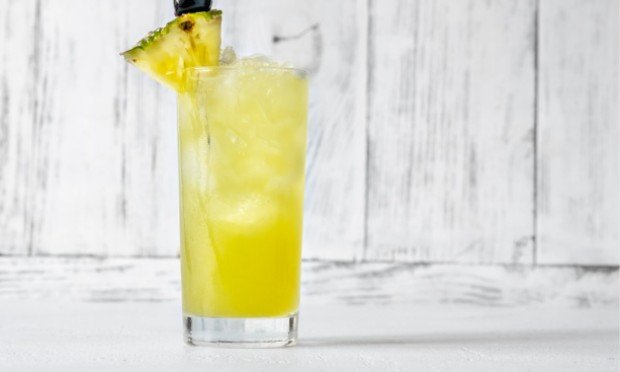
Falernum is a Caribbean-style cocktail ingredient combining sweetness with citrus and warm spice. Typical recipes contain lime zest or juice, ginger, cloves, sugar, and occasionally almonds or other spices. Recipes vary considerably, so one bottle may taste strongly of clove while another emphasizes ginger or fresh lime.
Unlike orgeat, falernum belongs to two product categories. Nonalcoholic falernum is sold as a cocktail syrup, while alcoholic falernum is usually a low-proof liqueur. Velvet Falernum is one of the most recognizable commercial styles, although “velvet” can also suggest its smooth, coating texture.
Falernum is closely associated with drinks such as the Zombie, Corn ’n’ Oil, Rum Swizzle, Royal Bermuda Yacht Club, and Chartreuse Swizzle. It works especially well with rum because its citrus and spice complement the spirit’s molasses, fruit, oak, and vanilla notes.
The Main Differences in Flavor and Function
The central Falernum vs orgeat difference is not simply that one contains more spices. Much like the Orgeat vs amaretto comparison, each ingredient changes the flavour and structure of a drink in a different way.
Orgeat contributes a rounded, nut-forward flavor. It can make a tart cocktail feel softer, richer, and more cohesive. Orange blossom water provides a delicate floral aroma, while the almond component adds weight without requiring cream.
Falernum usually tastes brighter and more angular. Lime brings freshness, ginger adds heat, and cloves provide a dry, warming finish. Some versions contain almonds, but almond is not always the leading flavor. Falernum therefore acts as a sweetener, seasoning, and aromatic ingredient at the same time.
Their appearance and consistency also vary. Orgeat is often opaque or cloudy because of its nut content. Falernum may be clear, pale gold, or lightly cloudy, depending on its ingredients. Neither color nor thickness alone indicates quality because commercial recipes differ widely.
Can Falernum and Orgeat Be Used Interchangeably?
A direct substitution is possible, but it will noticeably change the finished cocktail. Replacing orgeat with falernum reduces the drink’s creamy almond character and introduces ginger, lime, and clove. If the chosen falernum is alcoholic, the substitution also changes the drink’s alcohol level.
Using orgeat instead of falernum creates the opposite problem. The cocktail gains nutty richness but loses the spicy citrus notes that may be central to its balance. This can leave a drink tasting sweet but strangely flat.
When falernum is unavailable, orgeat can form the base of a closer replacement. A small quantity of ginger syrup, fresh lime zest, and a restrained pinch of clove or allspice can recreate part of falernum’s complexity. Start with very little spice because cloves can quickly overwhelm every other ingredient.
When replacing orgeat, falernum is harder to modify successfully. Adding almond syrup may restore some richness, but the lime and spice will remain. The better solution is usually to use a dedicated almond syrup or make a basic homemade orgeat.
Can a Cocktail Contain Both?
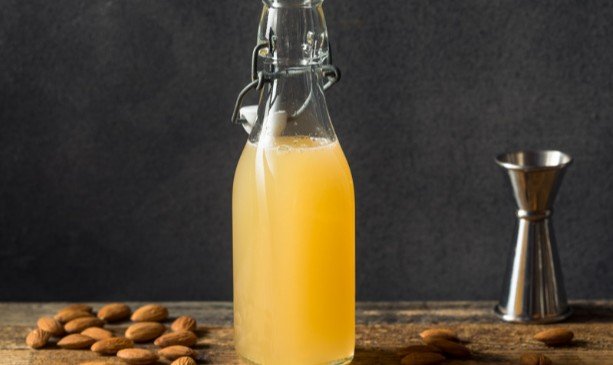
Falernum and orgeat can work together when their quantities are controlled. Orgeat supplies body and almond depth, while falernum adds a spicy citrus lift. This combination can be particularly successful with aged rum, pineapple, lime, gin, or aromatic bitters.
The danger is excessive sweetness. Rather than adding full servings of both, divide the sweetener allowance between them. Taste the drink before adding extra syrup, especially when fruit juice or liqueur already contributes sugar.
Choosing the Right Mixer
Choose orgeat when a recipe needs almond flavor, floral fragrance, or a creamy sensation without dairy. It is the natural choice for a classic Mai Tai and can also enrich coffee, lemonade, desserts, and alcohol-free drinks.
Choose falernum when the drink needs ginger warmth, clove aroma, and lime brightness. Nonalcoholic syrup suits mocktails and flexible home-bar use, while falernum liqueur contributes both flavor and a modest amount of alcohol.
Anyone with a nut allergy should check every label rather than relying on the product category. Orgeat generally contains almonds, while falernum may or may not contain nuts. Recipes, production facilities, and allergen warnings differ between brands.
Opened bottles may require refrigeration. Homemade syrups generally have a shorter life than commercially bottled products because they lack industrial preservatives. Changes in smell, color, carbonation, or visible mold are signs that a syrup should be discarded.
Frequently Asked Questions
1. Is falernum always alcoholic?
No. Falernum is available as a low-alcohol liqueur and as a completely nonalcoholic cocktail syrup. Always check the bottle before using it in mocktails.
2. Which is sweeter, falernum or orgeat?
Sweetness depends on the recipe and brand. Orgeat often seems richer because of its almond body, whereas falernum’s lime and spice can make an equally sweet product taste sharper.
3. What is the best Falernum vs orgeat substitute?
Neither is a perfect substitute for the other. Orgeat mixed with lime, ginger, and a trace of clove comes closer to falernum than plain orgeat does.
4. Does all falernum contain almonds?
No. Traditional and commercial formulations vary. Some include almonds, while others focus entirely on citrus, sugar, ginger, and spices.
Final Sip
I now think of these mixers as partners rather than rivals. Orgeat builds a soft, nutty foundation, while falernum adds movement through citrus and spice. Selecting the right one depends on what the drink lacks—not merely which bottle is available. Once I consider sweetness, texture, alcohol, and aroma together, choosing between them becomes much easier.
Leave a Reply