The hardest part of an alcohol-free drink is not removing alcohol. It is replacing what alcohol normally contributes: bitterness, aroma, warmth, dilution, texture, and a long finish. That is why the best sophisticated zero proof mocktail recipes rely on more than fruit juice and soda. They layer acid, botanicals, tannin, spice, bubbles, and controlled sweetness so the glass changes as you sip it.
That matters beyond Dry January. The CDC’s guidance on alcohol and health notes that drinking less alcohol can lower alcohol-related health risks. At the same time, U.S. labeling rules make it worth checking bottles rather than assuming every drink described as non-alcoholic contains absolutely no alcohol.
What Makes a Mocktail Taste Sophisticated?
A serious zero-proof drink should have tension. Sweetness needs acid, fruit benefits from bitterness or tannin, aroma should arrive before the first sip, and the finish should outlast a glass of flavored sparkling water.
The secret is to think about layers rather than ingredients. Citrus provides sharpness. Tea creates tannin. Ginger brings heat. Herbs and citrus peel supply aroma. Carbonation gives lift. A shrub made with fruit and vinegar contributes acidity with more depth than lemon juice alone.
Sugar should support those flavors rather than dominate them. The FDA’s guidance on added sugars explains how added sugars appear on packaged-food labels and notes a Daily Value of 50 grams based on a 2,000-calorie diet.
Likewise, Harvard’s Nutrition Source on sugary drinks identifies sweetened beverages as a significant source of added sugar in the American diet. A polished mocktail does not need to be syrup-heavy to taste complete.
Use the Five-Part Bar Test
If your drink tastes flat, identify the missing layer before automatically adding more syrup.
| Element | What It Contributes | Easy Zero-Proof Options |
| Acid | Brightness and structure | Lemon, lime, verjus, shrubs |
| Bitter or tannic | Dryness and length | Tea, grapefruit, NA aperitivo |
| Sweetness | Balance and body | Simple syrup, honey, fruit |
| Aroma | First impression | Citrus peel, herbs, spices |
| Texture | Weight and finish | Tea, aquafaba, carbonation |
A useful starting point is roughly two parts structured base, one part tart ingredient, and half to one part sweetener, followed by dilution or carbonation to taste.
Treat that as a troubleshooting formula rather than a rigid rule. Pineapple juice, for example, already contributes sweetness and acidity, while brewed tea contributes virtually no sweetness but plenty of structure.
Four Bar-Quality Zero-Proof Recipes
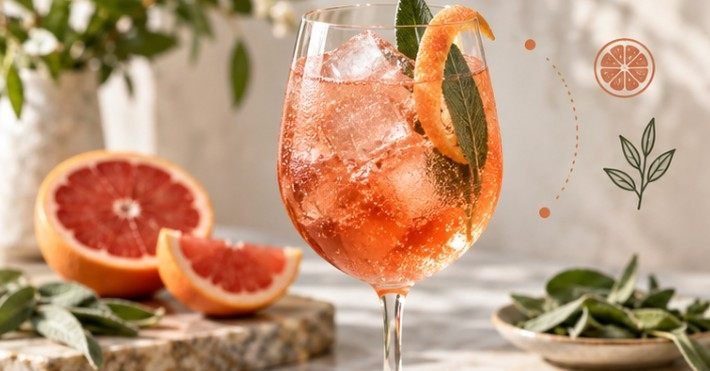
Grapefruit-Sage Bitter Spritz
This aperitivo-style drink is bitter, citrusy, herbal, and deliberately restrained rather than fruit-punch sweet.
Ingredients: 2 oz non-alcoholic bitter aperitivo, 1 oz pink grapefruit juice, 0.5 oz fresh lemon juice, 0.5 oz sage syrup, 2 oz chilled club soda, and grapefruit peel.
Add the aperitivo, grapefruit juice, lemon, and syrup to an ice-filled wine glass. Stir for about 10 seconds and top with club soda. Twist the grapefruit peel directly over the glass so its aromatic oils land on the surface.
If the drink feels too sweet, add a little more soda and a squeeze of lemon instead of simply increasing bitterness.
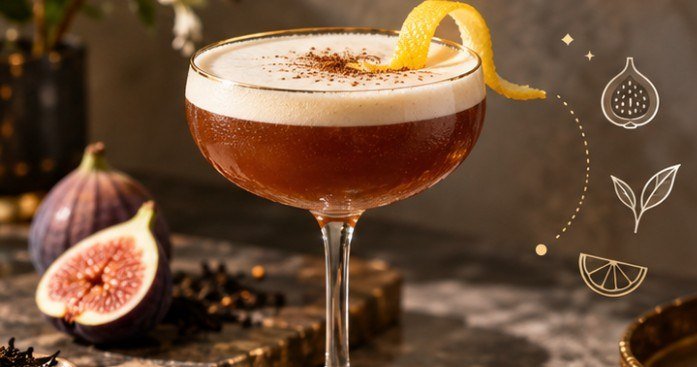
Black Tea-Fig Sour
Strong black tea supplies the drying grip that aged spirits normally bring to a sour.
Ingredients: 2 oz double-strength chilled black tea, 0.75 oz lemon juice, 0.75 oz fig syrup, 0.5 oz aquafaba, a tiny pinch of salt, and lemon peel.
Dry-shake everything without ice for about 10 seconds. Add ice, shake again until cold, and double-strain into a coupe.
Express the lemon peel over the foam before serving. For a noticeably drier drink, reduce the fig syrup to 0.5 oz.
Cucumber-Juniper Highball
This refreshing highball builds a piney, gin-inspired profile using botanicals rather than alcohol.
Ingredients: 2 oz chilled juniper-coriander tea, 1 oz cucumber juice, 0.75 oz fresh lime juice, 0.5 oz honey syrup, 3 oz sparkling water, and a cucumber ribbon.
Shake everything except the sparkling water with ice. Strain into a tall glass filled with fresh ice, add the sparkling water, and stir once from the bottom.
Keep the juniper infusion fairly light. Oversteeping can turn its pleasantly piney character resinous.
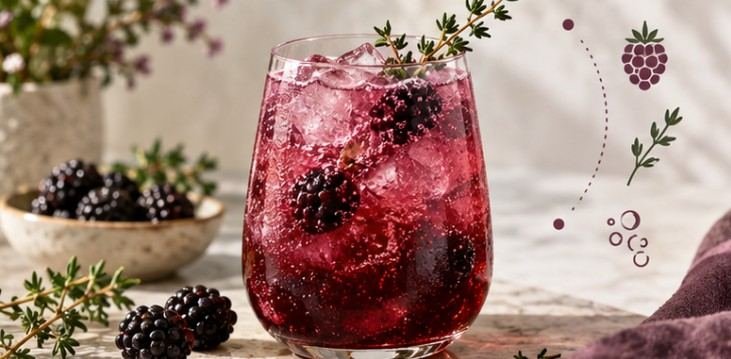
Blackberry-Thyme Shrub Fizz
A shrub gives fruit an acidic, slightly savory dimension that makes a zero-proof drink linger longer on the palate.
Ingredients: 1.5 oz blackberry juice or puree, 0.5 oz apple cider vinegar, 0.5 oz thyme syrup, 0.5 oz lemon juice, 3 oz seltzer, and fresh thyme.
Shake everything except the seltzer with ice. Strain over fresh ice, top with seltzer, and gently clap the thyme sprig between your palms before placing it in the glass. That releases aromatic oils without pulverizing the herb.
If you are new to shrubs, begin with slightly less vinegar. The goal is lively acidity, not an obvious vinegar flavor.
Small Techniques That Make a Big Difference
Chill the glass and use fresh ice. Temperature can change how sweetness and acidity are perceived, while fast-melting ice can quickly turn a carefully balanced drink watery.
Measure citrus and syrup instead of free-pouring. In a six- or seven-ounce drink, even a quarter-ounce adjustment can shift the entire flavor profile.
Garnish for aroma rather than decoration alone. Citrus oils, mint, rosemary, basil, and toasted spices influence the drink before it even reaches your tongue. For more presentation techniques, explore these cocktail garnish ideas for home bartenders.
“Zero Proof” and “Alcohol Free” Are Not Always Identical
This distinction matters for anyone who needs complete alcohol avoidance.
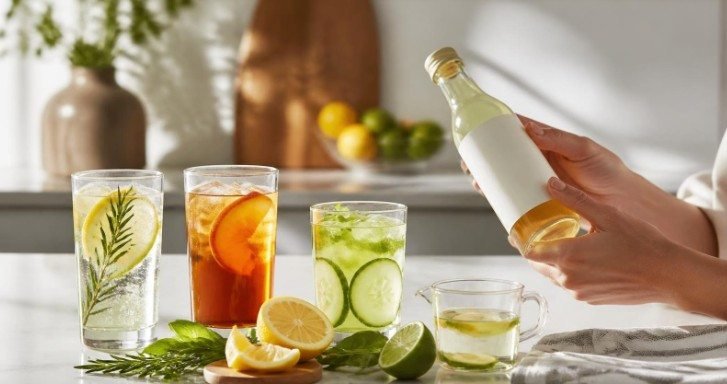
Federal guidance from the Alcohol and Tobacco Tax and Trade Bureau on low- and no-alcohol products distinguishes products containing less than 0.5% ABV from products at 0.0% ABV. Check the actual alcohol content instead of relying on front-label language alone.
That may be particularly important during pregnancy, when taking medications that interact with alcohol, during recovery, or whenever complete abstinence is preferred.
Sugar deserves similar attention. Bottled mixers, tonic waters, syrups, and alcohol-free alternatives vary widely, so compare Nutrition Facts labels rather than assuming zero-proof automatically means low sugar.
The American Heart Association’s Sip Smarter advice suggests building drinks around plain or sparkling water and adding flavor through fruit, herbs, tea, or smaller quantities of sweetened ingredients.
Common Mistakes That Flatten a Mocktail
The biggest mistake is replacing liquor with extra juice. That creates sweetness without structure. Another is adding too many ingredients; several subtle flavors can blur together instead of producing complexity.
Bitterness does not need to come from a bottled aperitivo. Strong tea, grapefruit, tonic, roasted spices, cacao, or coffee can all produce a drier, longer finish.
Do not overlook seasoning, either. A tiny pinch of salt can sharpen fruit and soften aggressive bitterness without making the finished drink taste salty. For drinkers who prefer warmth and savory intensity, the techniques in spicy cocktails beyond margaritas can also inspire zero-proof combinations built around chilies, ginger, herbs, and citrus.
Frequently Asked Questions
1.What makes a zero-proof mocktail taste sophisticated?
Balance acid, bitterness or tannin, controlled sweetness, aroma, texture, and dilution instead of relying mainly on juice and soda.
2. Can non-alcoholic drinks contain some alcohol?
Yes, some can contain trace amounts. If complete avoidance matters, check the stated ABV and look specifically for products labeled 0.0%.
3. What can replace bitterness in a mocktail?
Strong tea, grapefruit, tonic water, roasted spices, coffee, cacao, and non-alcoholic bitter aperitifs can create a dry, lingering finish.
4. How can I make mocktails less sweet?
Reduce the syrup, slightly increase acidity, introduce tea or another bitter element, and lengthen the drink with unsweetened sparkling water.
A Better Glass Starts With Structure
The most memorable sophisticated zero proof mocktail recipes are not trying to imitate alcohol sip for sip. They borrow the architecture of a well-built cocktail: contrast, aroma, controlled dilution, texture, and a finish that invites another taste.
Start with one recipe and change only one variable at a time. Reduce syrup by a quarter-ounce, replace some lemon with verjus, introduce tannin through tea, or experiment with a fragrant garnish. Once you understand what every layer contributes, alcohol-free mixing stops feeling like substitution. It becomes its own form of bartending—and the drink tastes intentional rather than compromised.
Leave a Reply