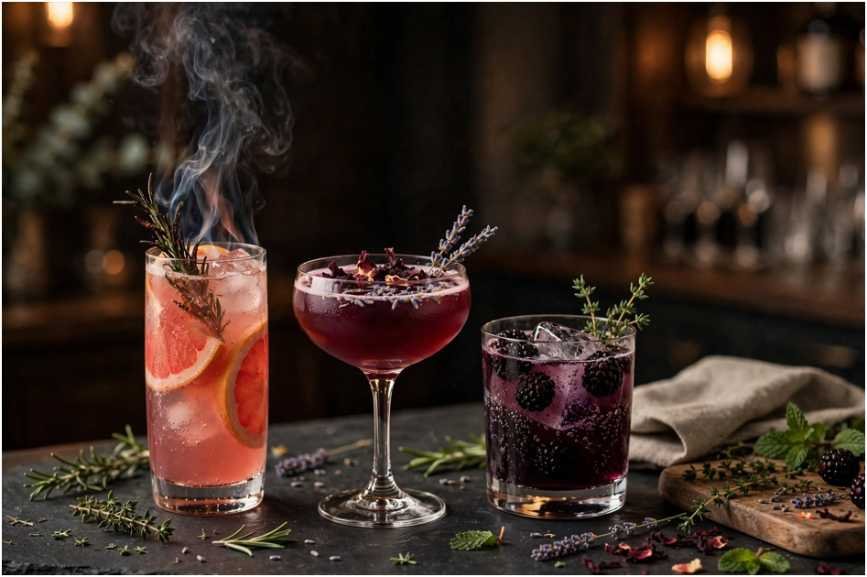
Most non-alcoholic drinks fail because they taste like glorified punch. When you order a zero-proof drink at an upscale lounge, you do not want an insipid glass of fruit juice topped with club soda. You want structure, aroma, and a lingering finish.
Crafting herbal mocktails for sophisticated flavors requires an understanding of botanical extraction, balancing acids, and recreating the tactile weight that alcohol naturally delivers to the human palate.
I spent years behind high-volume craft bars watching non-drinkers get relegated to sweet syrups. Real sophistication comes from the garden, not the soda gun. By manipulating fresh woody herbs, macerated shrubs, and natural tannins, you can produce complex zero-proof beverages that rival any classic cocktail.
The Science of the “Solvent Deficit” in Zero-Proof Drinks
Alcohol is an exceptional solvent. Ethanol dissolves both water-soluble and oil-soluble aromatic compounds, carrying scent molecules straight to your olfactory receptors while leaving a characteristic drying sensation on the tongue.
When you remove alcohol, you create a solvent deficit. Water simply cannot dissolve essential plant oils with the same efficiency.
To bridge this gap, modern zero-proof mixology borrows principles established by institutions like the Institute of Culinary Education: we treat the bar as an extension of the kitchen. Instead of masking the lack of spirit with sugar, you must engineer mouthfeel and vapor pressure using botanical chemistry.
Volatile Terpenes: Why Bruising Beats Blending
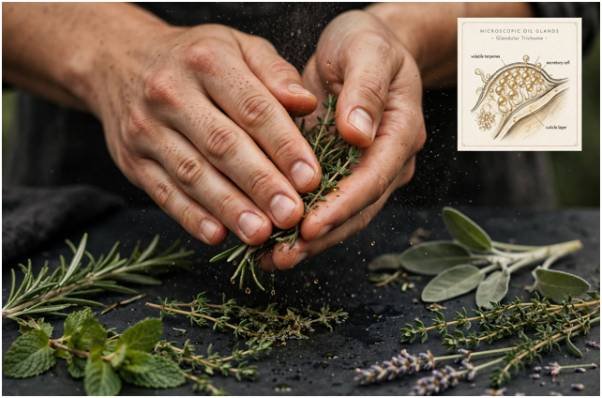
Herbs like rosemary, thyme, sage, and mint hold their aromatics within microscopic oil glands called trichomes. When making drinks, the common instinct is to pulverize herbs in a shaker. That is a mistake. Heavy blending shreds plant cell walls, releasing chlorophyll and bitter enzymes that make drinks taste like lawn clippings.
Peer-reviewed botanical research archived by the National Center for Biotechnology Information illustrates how volatile terpenes—such as pinene in rosemary and linalool in lavender—evaporate rapidly at ambient temperatures. To capture them:
- Lightly “slap” herbs between your hands before using them as a garnish. This fractures the external glands without tearing the cellular membrane.
- Cold-steep delicate leaves in room-temperature liquids rather than boiling them to keep the top notes intact.
Engineered Bite: Using Acetic Acid and Piperine
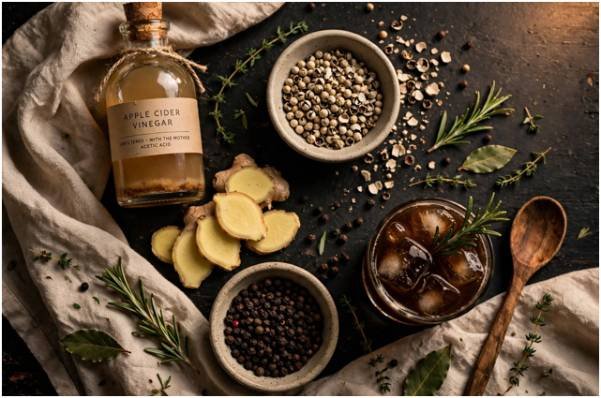
The hardest element to replicate without ethanol is the “burn” or back-of-the-throat warmth. Citric acid from lemons or limes provides sharpness, but it fades fast.
To create authentic staying power, lean on two kitchen powerhouses:
- Acetic Acid (Vinegars): Unfiltered apple cider vinegar delivers an intense, lingering bite that mimics the proof of spirits.
- Alkaloid Heat (Piperine & Capsaicin): A pinch of cracked white pepper or a barspoon of ginger extract introduces mild heat that lingers pleasantly on the palate.
Three Botanical Profiles I Built for Adult Palates
The Smoked Herb Technique (Grapefruit & Rosemary)
Citrus oils and woody herbs are natural partners, but charring the herb introduces savory depth.
Take ruby red grapefruit juice, fresh lime, and carbonated tonic water. Instead of stirring raw herbs into the glass, use a kitchen torch to singe a woody sprig of garden rosemary right before service. The heat alters the pinene compounds, transforming crisp resin into dry campfire aromatics. The quinine bitterness of the tonic balances the grapefruit’s tartness, while the rising smoke hits your nose before the first sip.
The Tannic Aperitivo Structure (Hibiscus & Lavender)
Classic Italian aperitifs succeed because they are astringent and dry. To recreate that distinct dryness without vermouth or Campari, brew dried hibiscus flowers into a double-strength tea.
Hibiscus is packed with polyphenols and natural plant tannins that physically dry the inside of your cheeks. Blend this tart base with a light lavender reduction and a few dashes of non-alcoholic aromatic bitters. The floral linalool softens the hibiscus punch, leaving a clean, pleasantly bitter finish that demands another sip.
The Cold-Macerated Fruit Shrub (Blackberry & Thyme)
If you want deep, jammy complexity, cold maceration is your secret weapon. The horticultural educators at the Chicago Botanic Garden highlight how gentle cold extraction preserves the pristine character of fresh herbs.
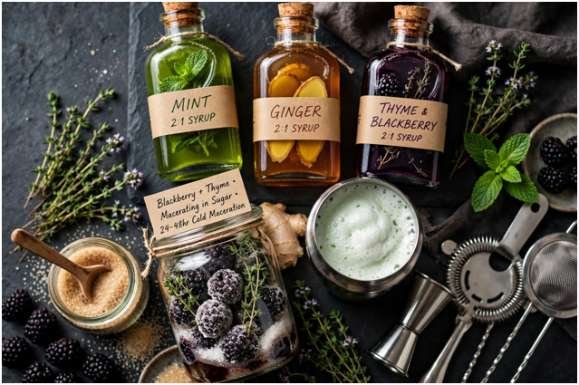
Toss two cups of ripe blackberries with one cup of sugar and eight bruised thyme sprigs. Leave the jar sealed in the refrigerator for 48 hours. The dry sugar draws out the fruit juices through osmosis without heat, yielding a bright, un-cooked syrup. Strain the solids, whisk in one cup of raw apple cider vinegar, and rest it for three days. To serve, pour 1.5 ounces of this shrub over block ice and top with chilled seltzer. The result is sweet, earthy, savory, and razor-sharp.
Essential Botanical Syrups for Layered Complexity
Batching your sweeteners with deliberate botanical infusions cuts down prep time while guaranteeing consistent balance in every pour.
BOTANICAL PROFILE MATRIX
┌─────────────────────┬──────────────────────┬──────────────────────────────────────────┐
│ Botanical Base │ Primary Compound │ Ideal Pairing Strategy │
├─────────────────────┼──────────────────────┼──────────────────────────────────────────┤
│ Garden Thyme │ Thymol (Earthy/Warm) │ Dark berries, raw cider vinegar, soda │
│ Torched Rosemary │ Pinene (Resinous) │ Bitter quinine, ruby grapefruit, smoke │
│ English Cucumber │ Nonadienal (Crisp) │ White pepper, lime juice, elderflower │
│ Dried Hibiscus │ Anthocyanins/Tannins │ Lavender mist, citrus peel, zero-proof aperitifs │
└─────────────────────┴──────────────────────┴──────────────────────────────────────────┘
For bright, high-energy drinks like zero-proof mojitos or cucumber presses, keep a bottle of homemade fresh mint simple syrup in the fridge. The menthol notes amplify carbonation bubbles, giving sparkling mineral water an extra-crisp texture.
Balancing Sugar Densities Behind the Bar
In mixology, sugar is not just a sweetener; it is a texturizer. Standard 1:1 simple syrup adds sweetness, but rich 2:1 syrup (two parts sugar to one part water) increases viscosity, giving mocktails a silky mouthfeel. When shaking drinks with aquafaba (chickpea water) to create velvety sour foam heads, a denser syrup stabilizes the bubbles, preventing your foam from collapsing within minutes.
When building fall or winter serves that require belly-warming heat, lean on a concentrated ginger simple syrup. The gingerols simulate the comforting throat-catch of a good rye or bourbon, grounding bright herbal infusions like sage or lemon verbena.
Sassy Sip Check: Ditch the Sugar Bombs for Good
Step away from the grenadine and leave the pre-mixed lemonades on the supermarket shelf. High-caliber zero-proof drinks rely on culinary intention: cold extractions, torched botanicals, calculated tannins, and vinegar reductions. Treat your herbs like the star spirits they are. Grab a bunch of garden thyme, crack some fresh peppercorns into your shaker, and build a glass that commands real respect.
Frequently Asked Questions
1. How do herbal mocktails achieve a dry finish without alcohol?
High-tannin botanical infusions like over-steeped hibiscus, cold-brewed black teas, and zero-proof aromatic bitters naturally dry the palate.
2. Can I make botanical mocktails ahead of time for entertaining?
Yes, batch your herb-infused syrups, shrubs, and juices up to 48 hours ahead, adding carbonation and fresh garnishes just before serving.
3. What is the best way to extract flavor from delicate herbs like basil?
Muddle gently with liquid or cold-steep in simple syrup; bruising or hot boiling turns delicate leaves brown and bitter.
4. Why does my herbal mocktail taste watery?
It lacks viscous mouthfeel; incorporate a richer 2:1 botanical syrup, an emulsifier like aquafaba, or a splash of drinking vinegar to add weight.
Leave a Reply