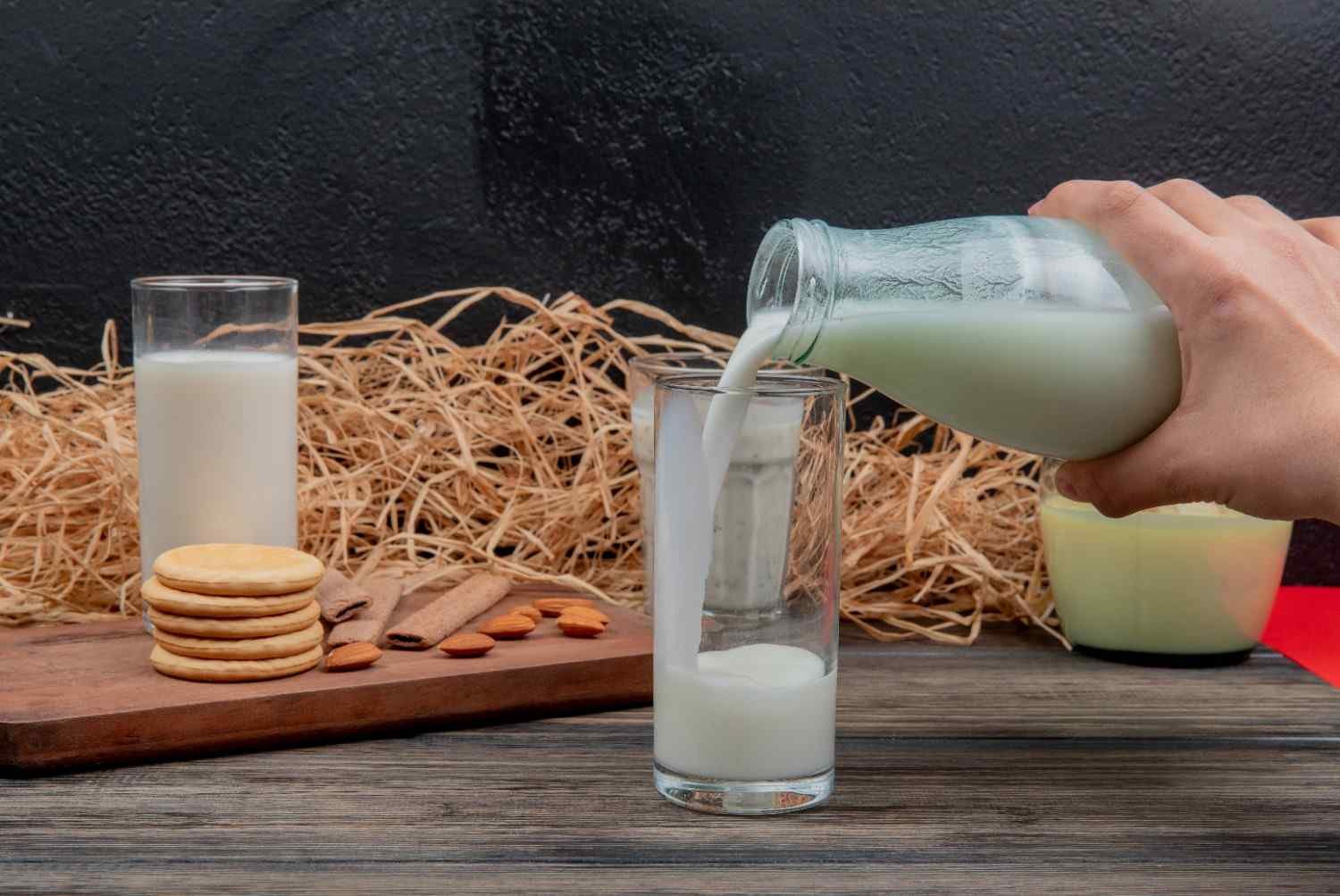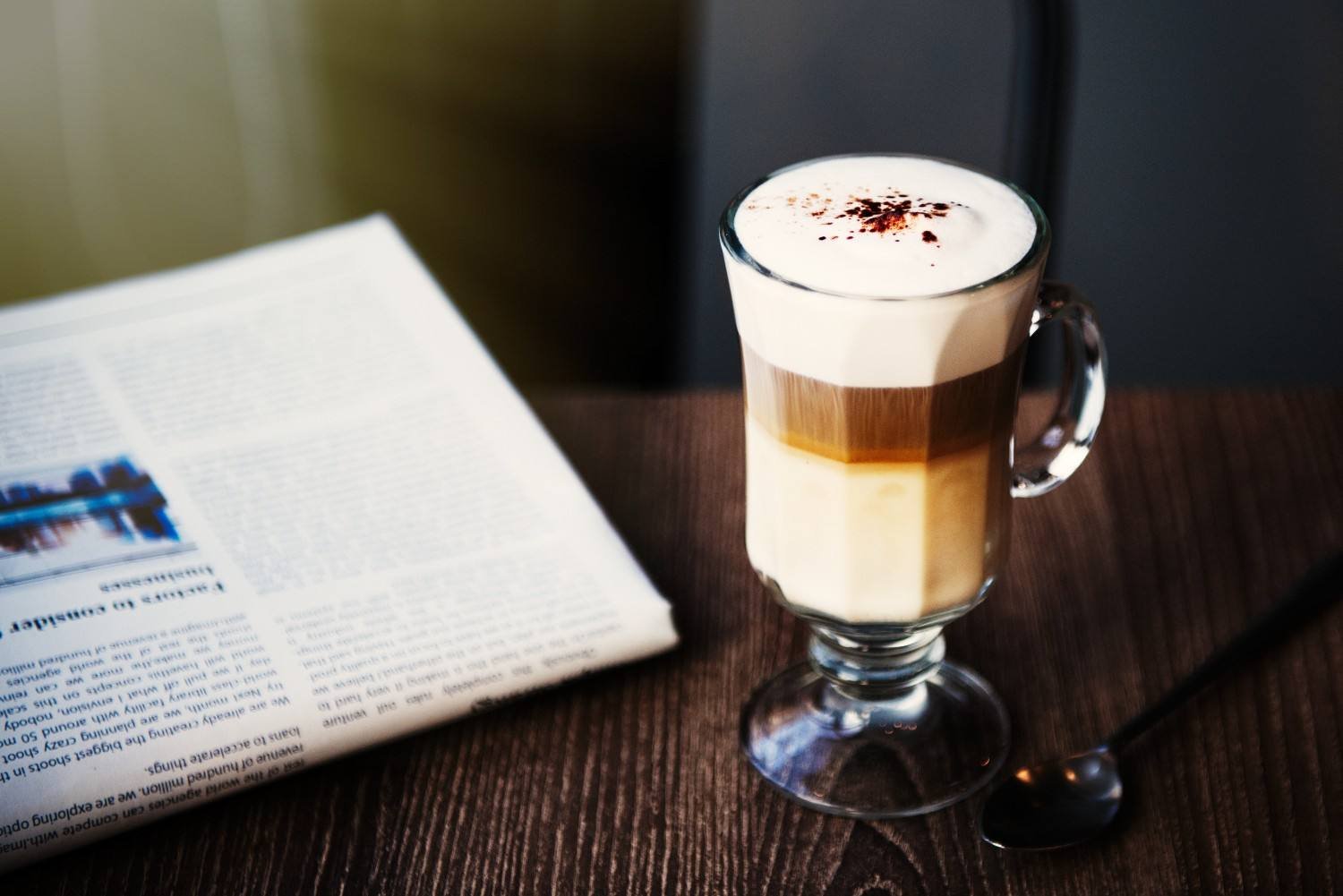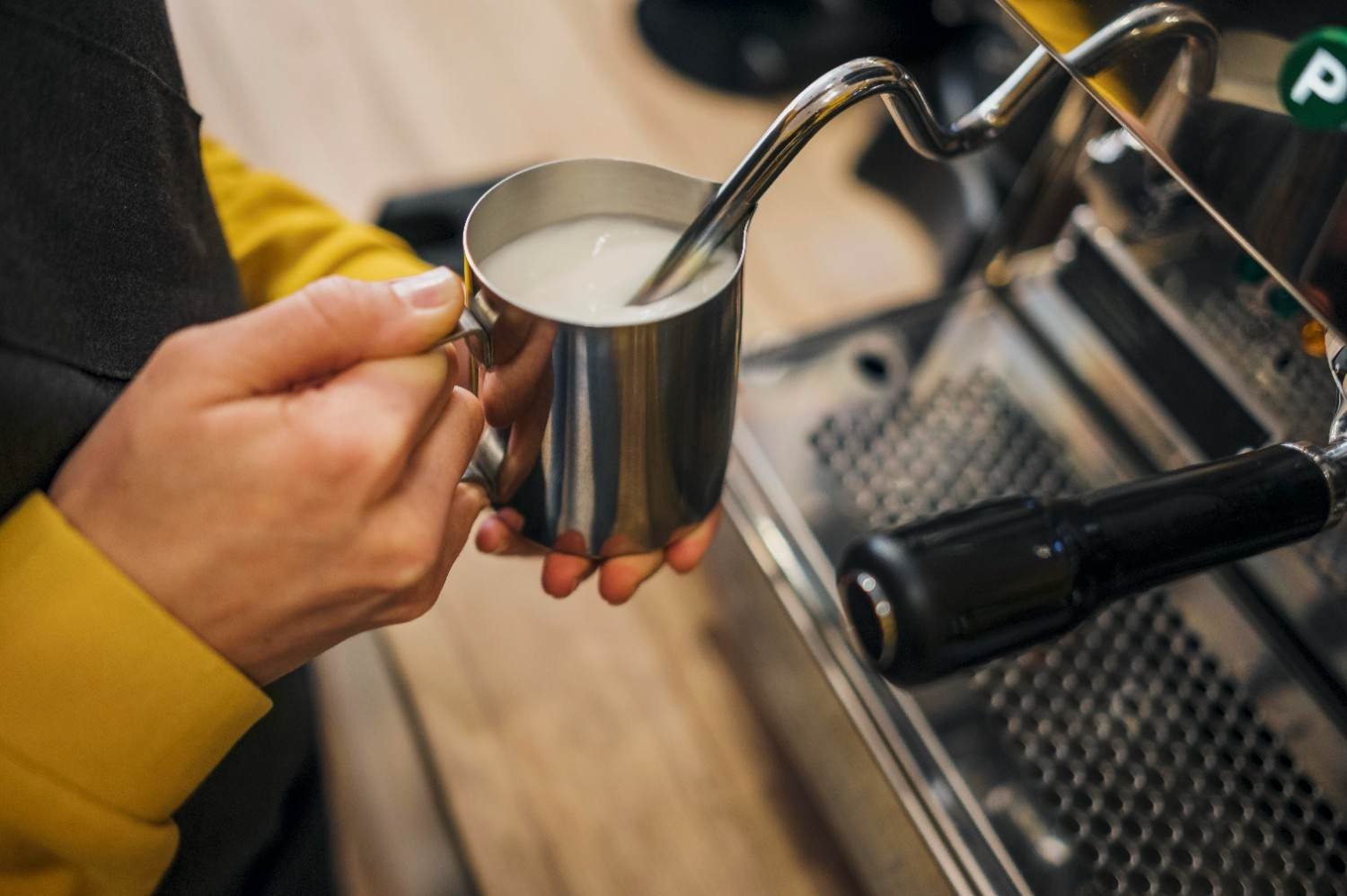
Some coffee drinks rely on espresso machines, precise foam, or carefully layered ingredients. Café au lait takes a much simpler route. I can start with the same brewed coffee I would drink at breakfast, add an equal amount of warm milk, and completely change its texture without hiding the flavor of the coffee.
So, what is café au lait? It is a traditional French drink that combines strong brewed coffee with hot milk, commonly in a 1:1 ratio. Instead of using espresso like a latte, it starts with drip, filter, or French press coffee. That straightforward preparation makes it especially practical for US coffee drinkers who want a smooth, café-style drink without needing an espresso machine.
What Does Café au Lait Mean?
“Café au lait” is French for “coffee with milk,” which describes the drink almost perfectly.
Traditionally, the drink is associated with breakfast in France. It may be served in a large mug or a wide, handleless bowl known as a bol. The wide opening makes it easy to hold with both hands and is also associated with dipping breakfast pastries such as croissants.
In US coffee shops, the presentation is usually less formal. You are more likely to receive café au lait in a standard ceramic mug or takeaway cup, but the basic combination of brewed coffee and hot milk remains the same.
What Is the Traditional Café au Lait Ratio?

The classic café au lait ratio is approximately 1:1.
That means I might combine 4 ounces of strong brewed coffee with 4 ounces of hot milk for an 8-ounce drink. For a larger serving, the same principle applies.
The ratio is flexible rather than rigid. If I prefer stronger coffee flavor, I can add a little more coffee. If I want a softer, creamier cup, I can slightly increase the milk.
The goal is balance. The coffee should still taste clearly present rather than disappearing behind the milk.
What Kind of Coffee Is Used in Café au Lait?
Traditional café au lait uses brewed coffee rather than espresso.
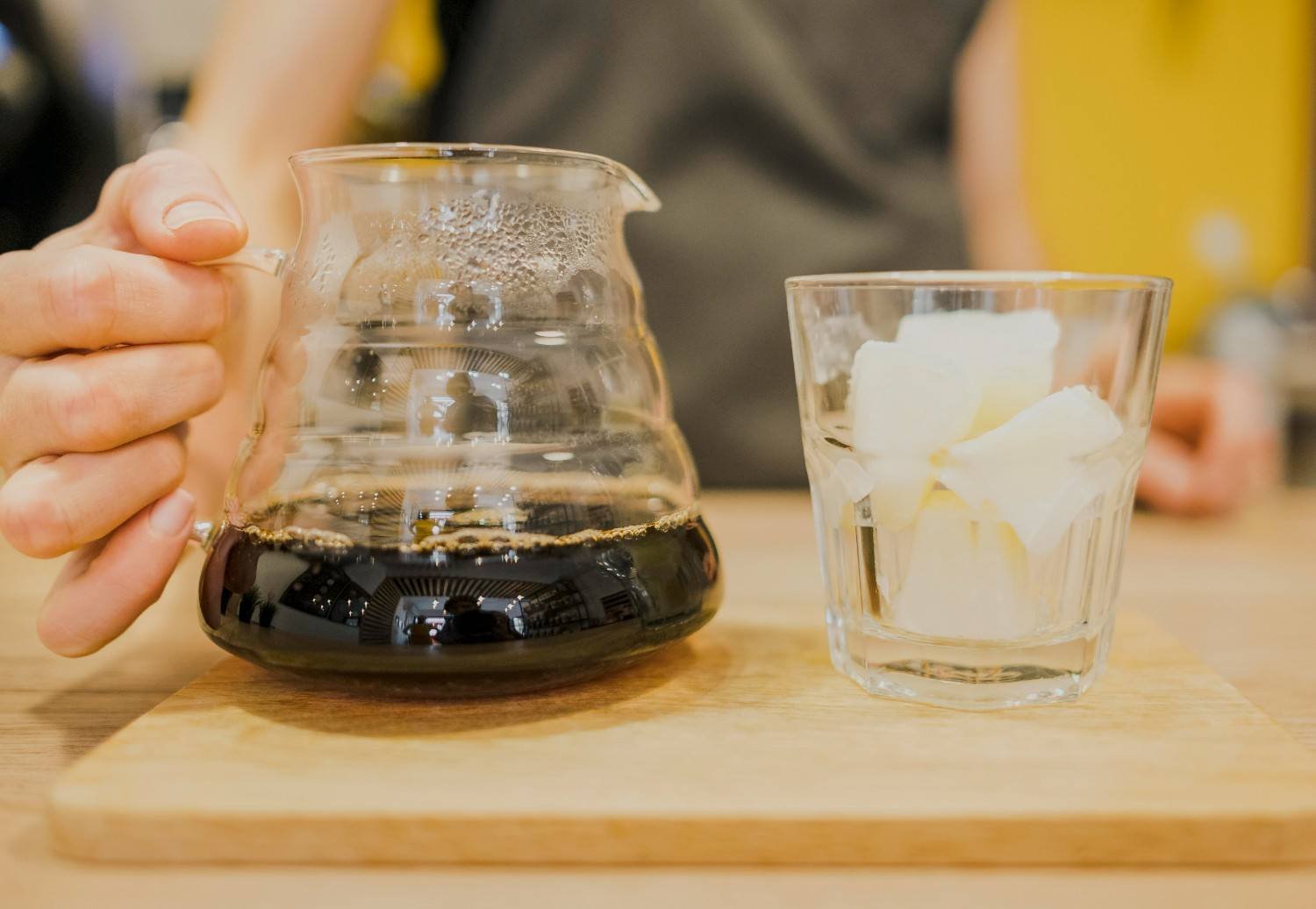
Drip coffee works particularly well for an American-style home preparation because most households already have a standard coffee maker. French press is another excellent choice because it produces a fuller body and keeps more natural coffee oils in the cup.
Filter and pour-over coffee can also work, although I usually brew them slightly stronger than normal so the flavor remains noticeable after adding an equal quantity of milk.
Medium-dark and dark roasts tend to pair well with milk. Chocolate, caramel, toasted nut, and brown sugar notes generally remain recognizable even after the coffee is diluted.
What Milk Works Best for Café au Lait?
Whole milk produces the richest traditional texture because its fat content gives the drink more body and natural sweetness.
However, there is no requirement to use whole dairy milk. Reduced-fat milk works well if I want a lighter cup.
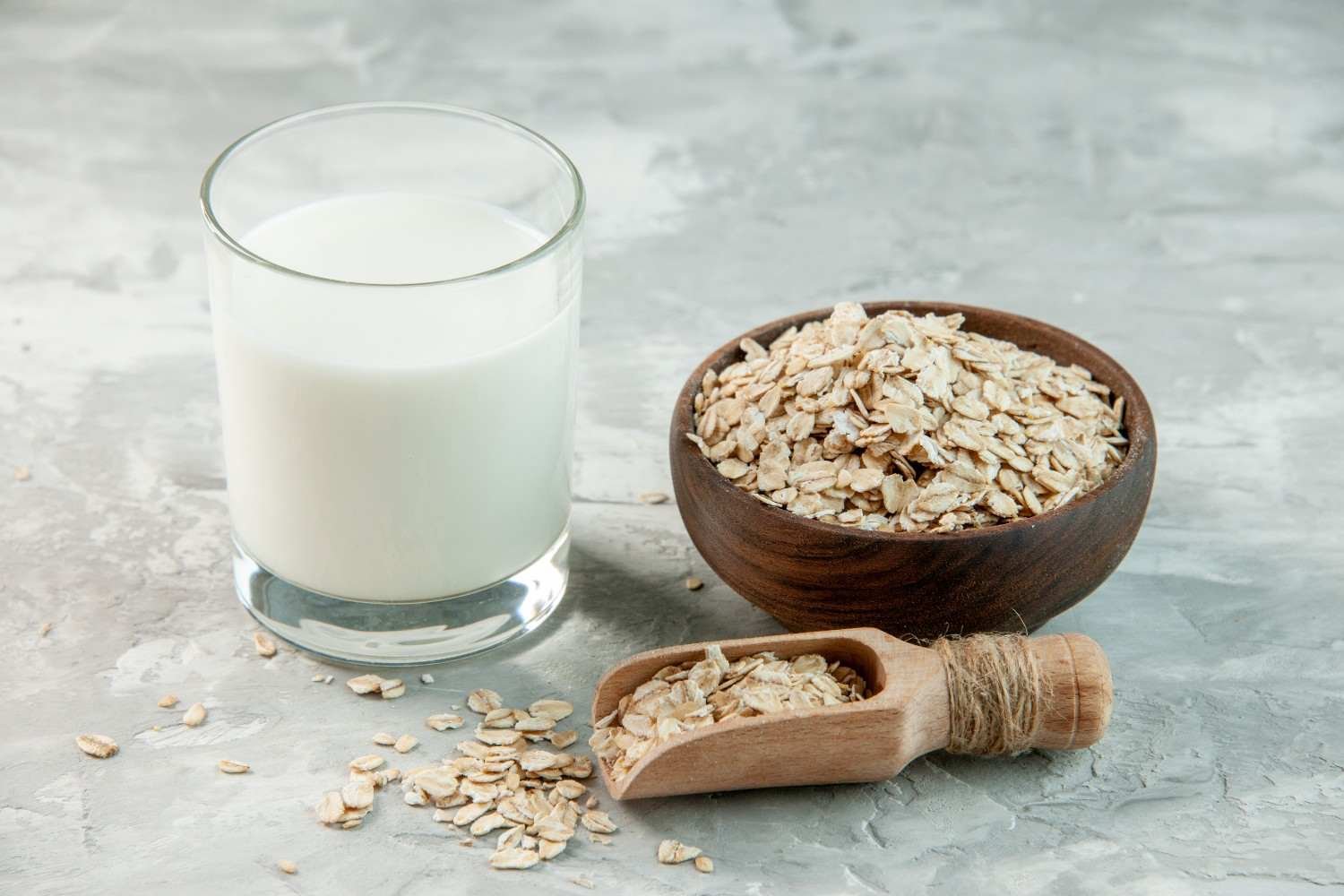
For a dairy-free version, barista-style oat milk is one of my preferred alternatives because it has a creamy consistency and relatively neutral flavor. Soy milk provides good body, while almond milk makes the drink lighter and slightly nutty.
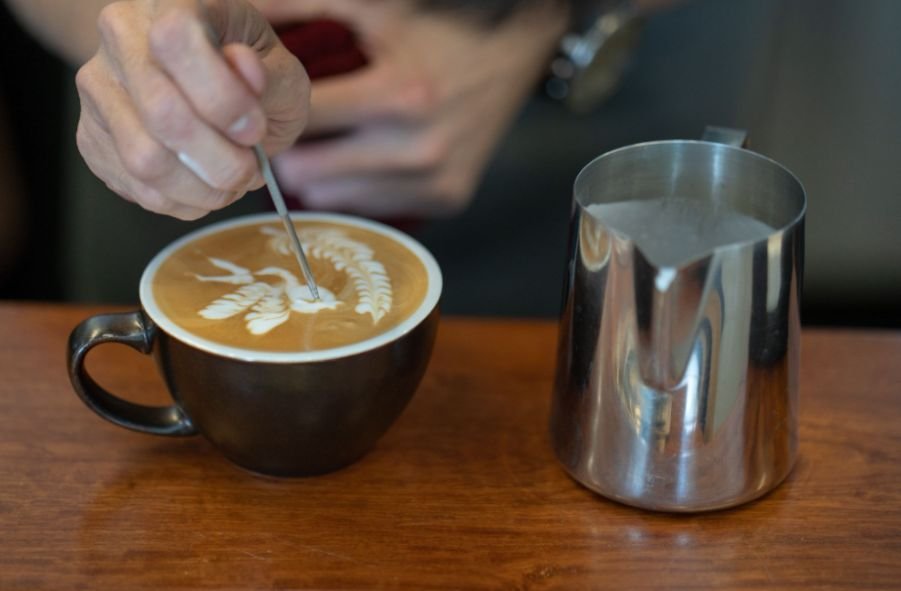
The milk should be hot but does not need the highly polished microfoam used for a latte. Some cafés steam it lightly, while traditional versions may simply use hot or gently scalded milk with very little foam.
Café au Lait vs Latte: What Is the Difference?
The biggest difference between café au lait and a latte is the coffee base.
A latte uses espresso combined with a relatively large amount of steamed milk and a thin layer of microfoam. Café au lait uses brewed coffee and generally follows a more balanced 1:1 coffee-to-milk ratio.
That creates noticeably different flavors. A latte has concentrated espresso underneath a creamy milk texture, while café au lait tastes more like traditional brewed coffee softened and enriched with hot milk.
Because brewed coffee plays such an important role in the final taste, I also pay attention to grind size, water temperature, and freshness to maximise coffee brew quality before adding the milk.
For Americans who own a drip coffee maker but not an espresso machine, café au lait is also much easier to prepare at
Café au Lait vs Cappuccino and Flat White
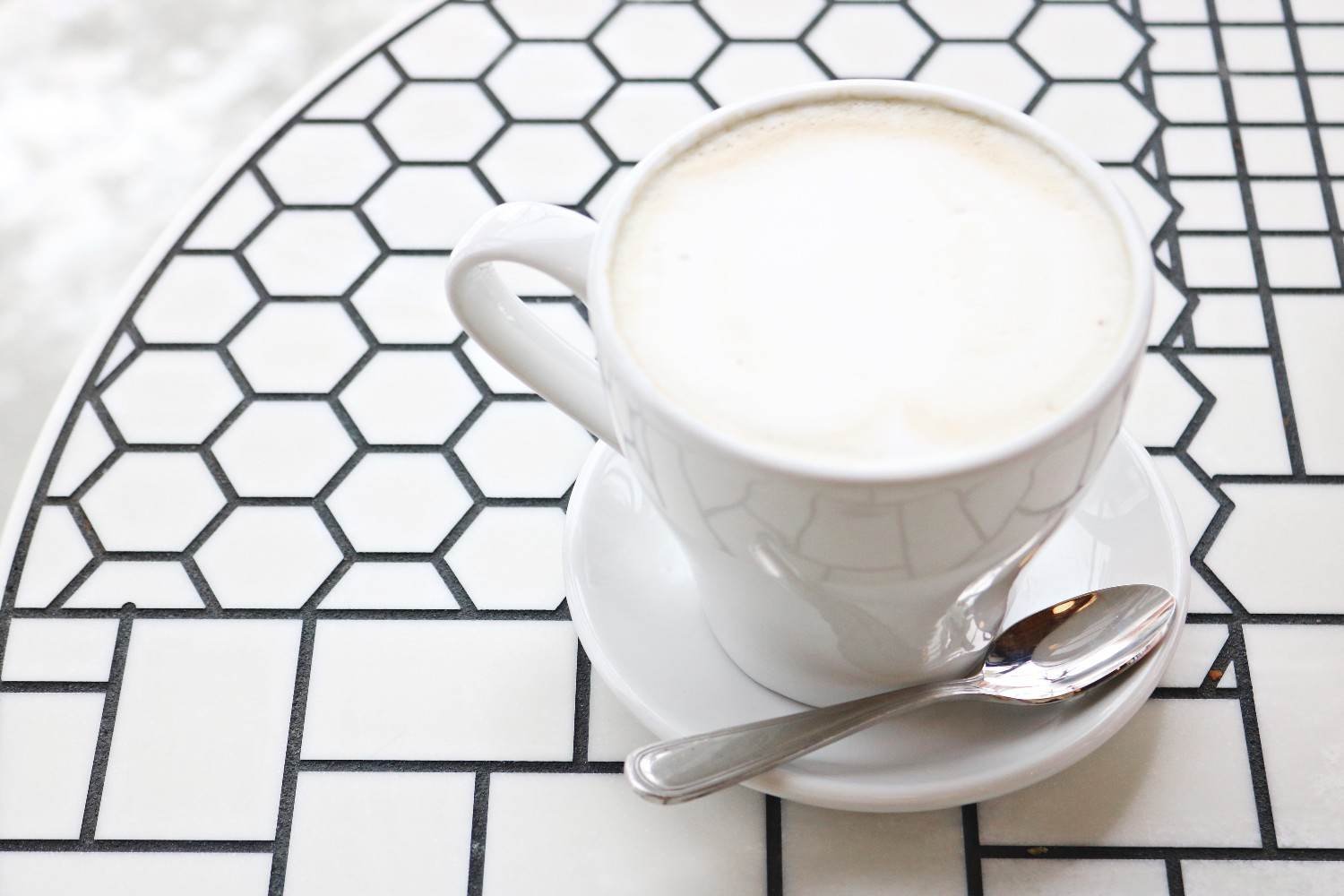
Cappuccino and flat white are both espresso-based drinks, so they differ fundamentally from café au lait.
A cappuccino traditionally contains espresso, steamed milk, and a prominent layer of foam. Its airy milk texture is one of its defining characteristics.
A flat white also uses espresso, often with finely textured microfoam. It usually has less foam than a cappuccino and a stronger coffee-to-milk flavor than a typical latte.
Café au lait has little or no thick foam and depends on brewed coffee rather than espresso, giving it a softer but still coffee-forward profile.
Is Caffè Misto the Same as Café au Lait?
For American coffee drinkers, Caffè Misto is one of the closest equivalents.
The term became particularly familiar through Starbucks, where a Caffè Misto combines brewed coffee with steamed milk. The preparation is conceptually very similar to café au lait and commonly uses approximately equal amounts of each.
The terminology differs more than the basic idea.
If I order a Caffè Misto in the US, I expect something much closer to café au lait than to a latte because the drink starts with brewed coffee rather than espresso.
What Is New Orleans Café au Lait?
New Orleans has developed one of America’s most recognizable regional versions of café au lait.
New Orleans café au lait traditionally combines coffee with roasted chicory and hot or scalded milk. Chicory contributes a roasted, earthy, slightly bitter character that makes the drink distinct from a standard French preparation.
The drink is strongly associated with the city’s café culture and is famously paired with beignets.
For me, this variation is especially useful when explaining what café au lait is to a US audience because it shows how the French concept evolved into something uniquely connected to American regional food culture.
How Does Café au Lait Compare With Café con Leche?
Café con leche is another coffee-and-milk drink, but its preparation varies across Spain, Latin America, and US communities.
It is commonly made with stronger coffee or espresso-style coffee combined with hot or scalded milk. Depending on the region, the coffee flavor can be more intense than in a traditional French café au lait.
Both drinks share the idea of combining strong coffee with heated milk, but their coffee base, cultural traditions, and proportions can differ.
How to Make Café au Lait at Home

I start by brewing strong coffee using a drip machine, French press, or pour-over brewer.
While the coffee brews, I warm an approximately equal quantity of milk. I keep it hot but avoid aggressively boiling it because overheated milk can develop a cooked taste.
I then combine equal portions of coffee and milk in a large mug.
If I want a slightly more café-like texture, I lightly froth or steam the milk before pouring it. I do not aim for a thick cappuccino foam because café au lait should remain smooth and relatively flat on top.
The result is a simple homemade drink that requires no espresso machine and very little specialized equipment.
Does Café au Lait Have More Caffeine Than a Latte?
Not necessarily.
A latte contains espresso, while café au lait contains a larger quantity of brewed coffee. Because brewed coffee and espresso have different caffeine concentrations and serving sizes, either drink can contain more caffeine depending on how it is prepared.
A large café au lait made with several ounces of strong drip coffee may contain as much or more caffeine than a small single-shot latte.
The beans, brewing method, serving size, and number of espresso shots all influence the final amount.
Frequently Asked Questions (FAQs)
Is café au lait just coffee with milk?
It is similar, but café au lait usually follows a deliberate preparation using strong brewed coffee and a substantial amount of hot milk, often close to equal proportions. Regular coffee with milk might contain only a small splash.
Does café au lait contain espresso?
Traditional café au lait generally does not contain espresso. Brewed coffee is one of its defining characteristics.
Does café au lait have foam?
It may have a small amount of foam if the milk is lightly steamed, but it does not normally have the thick foam associated with cappuccino.
Can I make café au lait with plant-based milk?
Yes. Oat, soy, and almond milk can all work. I prefer creamy barista-style oat milk when I want a texture closer to whole dairy milk.
How do you pronounce café au lait?
A common English approximation is “caf-ay oh lay.”
Final Thoughts
When I explain what is cafe au lait, I think of it as one of the easiest ways to turn everyday brewed coffee into a richer café-style drink. Strong coffee and hot milk in roughly equal amounts produce a smooth cup without requiring espresso equipment or complicated techniques.
It is also useful to compare this drink with other milk-based coffees when learning what a cortado is, because a cortado typically uses espresso with a smaller amount of warm milk, creating a stronger and more concentrated flavor.
I also like how much regional variation exists. The French version remains simple and breakfast-friendly, while New Orleans adds chicory and scalded milk for a distinctly American identity. Caffè Misto offers another familiar US interpretation, and café con leche shows how other coffee cultures approach the same basic combination differently.
For anyone who enjoys brewed coffee but wants a creamier cup, café au lait remains one of the simplest classics to make at home.